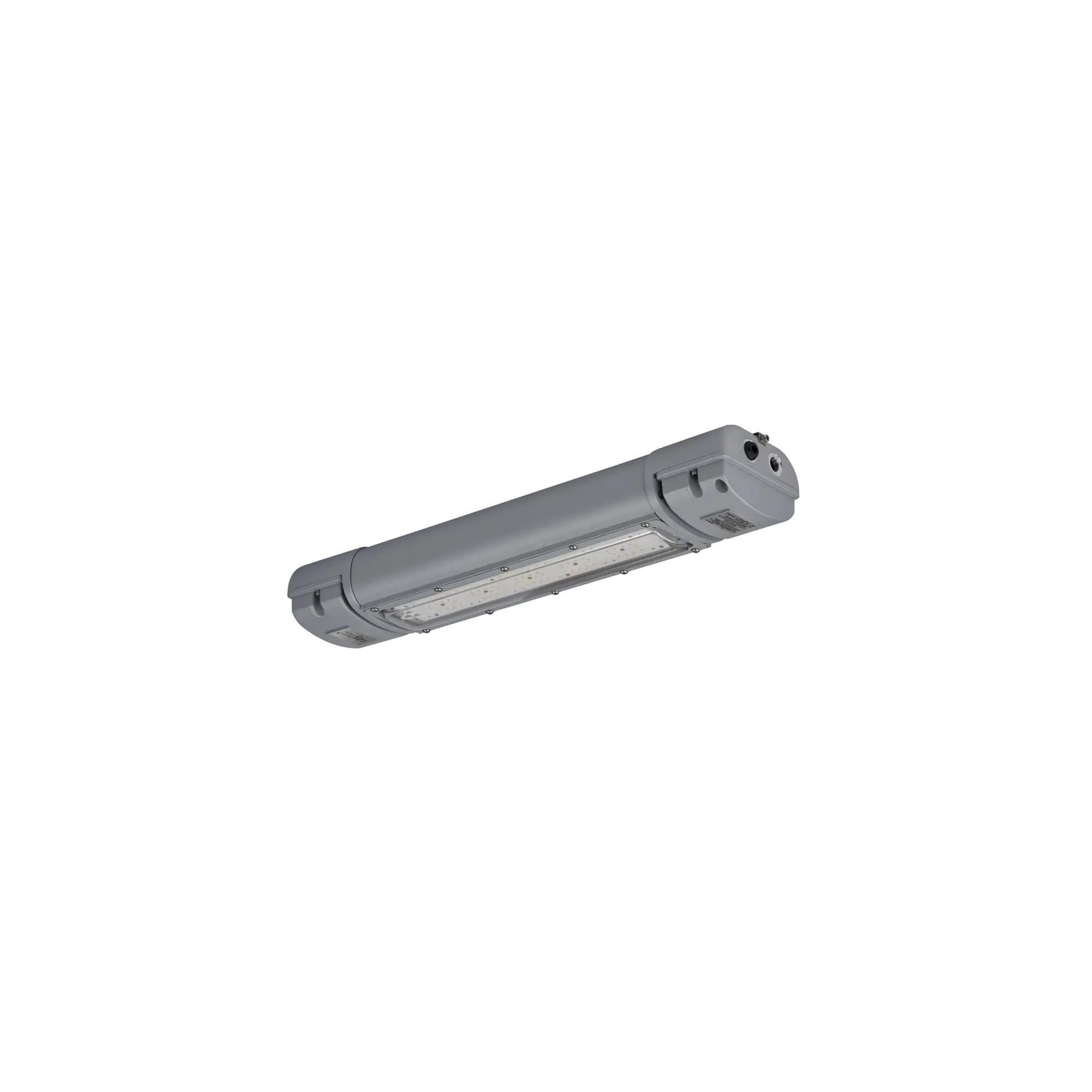
The price of a hazardous-area light matters. But it is only the first part of the cost.
When a team is choosing explosion-protected lighting, it is easy to start with the number on the quotation. A lower price may look like the simple choice. The light still needs to suit the site, arrive with the right documents, and be practical to maintain after installation.
Explore AJV’s range of hazardous-area linear lighting solutions.
Price is the start of the decision
The purchase price is easy to see. Future work is harder to see at the beginning. A light that costs less today may still need more time, access, support, or replacement work later, especially in a hard-to-reach place.
That does not mean every lower-priced product is the wrong choice. It means the buyer should compare the full picture: the exact product, the work environment, maintenance, and available support.
The goal is to avoid surprises after installation. A clear review before purchase can help a project team choose with more confidence.
Start with the exact product documents
Check the exact model. Product documents and certification information should match the model being considered. This gives the buyer a clear record of what is being offered and what information is available for that product.
Review the available hazardous-area linear lighting options, then verify the exact product documentation for the fixture being considered.
Ask for the product name, version, and supporting documents early. Before comparing options, make sure the team can identify:
- the exact product name and version;
- the documents and certification information for that product; and
- who can confirm the details if a question comes up.
This makes it easier to compare like with like and avoids decisions based on general product-family information.
Documentation helps a buyer understand what is being specified, what is being delivered, and what can be checked before installation. It also helps purchasing, engineering, and site teams stay aligned.
Before a purchase order is placed, it is helpful to make sure the documents can be shared with the people who will install, inspect, or maintain the light. This gives each team a common starting point and helps avoid last-minute questions on site.
Look at the working environment
The installation site matters. Heat, moisture, dust, salt air, vibration, and daily use can all affect what a project needs. Review the product for the real environment where it will be installed.
This is why construction and environmental protection deserve attention alongside price. The body, hardware, seals, and overall build are all part of the product used on site. Ask whether it is suitable for the conditions it will face, not only whether it looks similar to another option on a quotation.
Before deciding, ask a few practical questions:
- Where will the light be installed?
- Is the area exposed to weather, washdown, vibration, or a marine environment?
- How easy will it be to inspect after installation?
These questions help the team decide what is appropriate for the job.
Plan for maintenance before installation
Service access can affect the real cost of ownership. A light may need inspection, maintenance, or replacement during its working life. If it is installed high up, offshore, or inside a restricted area, even a small service task can require planning and site access.
Before buying, ask how approved maintenance is handled for the exact product. Is there clear information about service? Are the relevant components designed to be accessed when needed? What support is available if the site team has a question after installation?
Maintenance is not only about the cost of a spare part. It can also include arranging access, sending people to the location, stopping work, or bringing equipment to the site. A simpler maintenance approach may reduce disruption over time.
Ask about reliability in plain language
Heat and reliability deserve a clear conversation. Lighting contains electronic parts that need to operate in real site conditions for a long time. Ask for clear product information about reliability and how the product protects its working parts.
Thermal management is one part of that conversation. In simple terms, it is how a product handles heat during normal use. The buyer does not need to become a lighting specialist, but should have enough information to ask the right questions.
Useful questions include:
- What does the product information say about the design?
- What inspection or maintenance guidance is available?
- What help can the supplier provide if the site has a concern?
Clear answers help a project team understand what it is buying.
Check the support behind the product
Support matters after the order is placed. Before selecting a light, ask what help is available after delivery. This can include technical support, warranty information, and spare-parts support for the product in scope.
If a question comes up during installation or later maintenance, the team should know where to turn. Clear support can help resolve issues faster and keep the project moving.
The same point applies to spare parts. Ask what is available for the exact product and how the supplier supports it over time. This may matter when the installation is important to daily operations or difficult to access.
A buyer can also ask who will be available for practical questions during the project, how support is requested, and what information should be kept with the installation records. Simple answers to these questions make future work easier to manage.
Compare the full long-term cost
The first invoice is not the full cost. A lower purchase price is one number in a larger decision. Over time, also consider maintenance work, site access, replacement planning, product support, and disruption.
The right comparison is not simply “cheap” versus “premium.” It is a review of what each option includes and what the project may need later:
- Are the documents clear?
- Is the product suited to the environment?
- Is there a workable maintenance approach?
- Is support available?
These questions help teams look beyond the first number and make a better-informed decision. They also help AJV understand what matters most before recommending an option.
Review the right option for your site
Every hazardous-area project is different. The right lighting choice depends on the site, the application, the product documents, and the support the team needs. A comparison is most useful when tied to the real conditions of the installation.
These checks give a project team a simple way to look beyond the first price and make a better-informed decision before choosing lighting for the site.
Need help choosing the right solution for your site? Explore AJV’s hazardous-area lighting products or contact AJV.