Archives: Blog

  • Zone 1 vs Zone 2 Hazardous Area: What You Need to Know

    Zone 1 vs Zone 2 Hazardous Area: What You Need to Know

    In industries where flammable gases, vapors, or combustible dusts are present, ensuring workplace safety is not optional; rather, it is a proper regulatory and operational necessity. However, this is where the hazardous area classification zones come into play. 


    These zones not only help determine the level of explosion risk in a specific area but also guide engineers and safety managers in selecting the proper equipment, implementing safety procedures, and adhering to all the latest compliance measures. 


    However, under the ATEX and IECEx standards, the two most commonly referenced classifications are Zone 1 and Zone 2 hazardous areas. So, understanding the difference between zone 1 and zone 2 and hazardous area classification zones is essential to minimise the chances of risks, prevent ignition, and properly comply with some international safety regulations.


    What is a Zone 1 hazardous area?


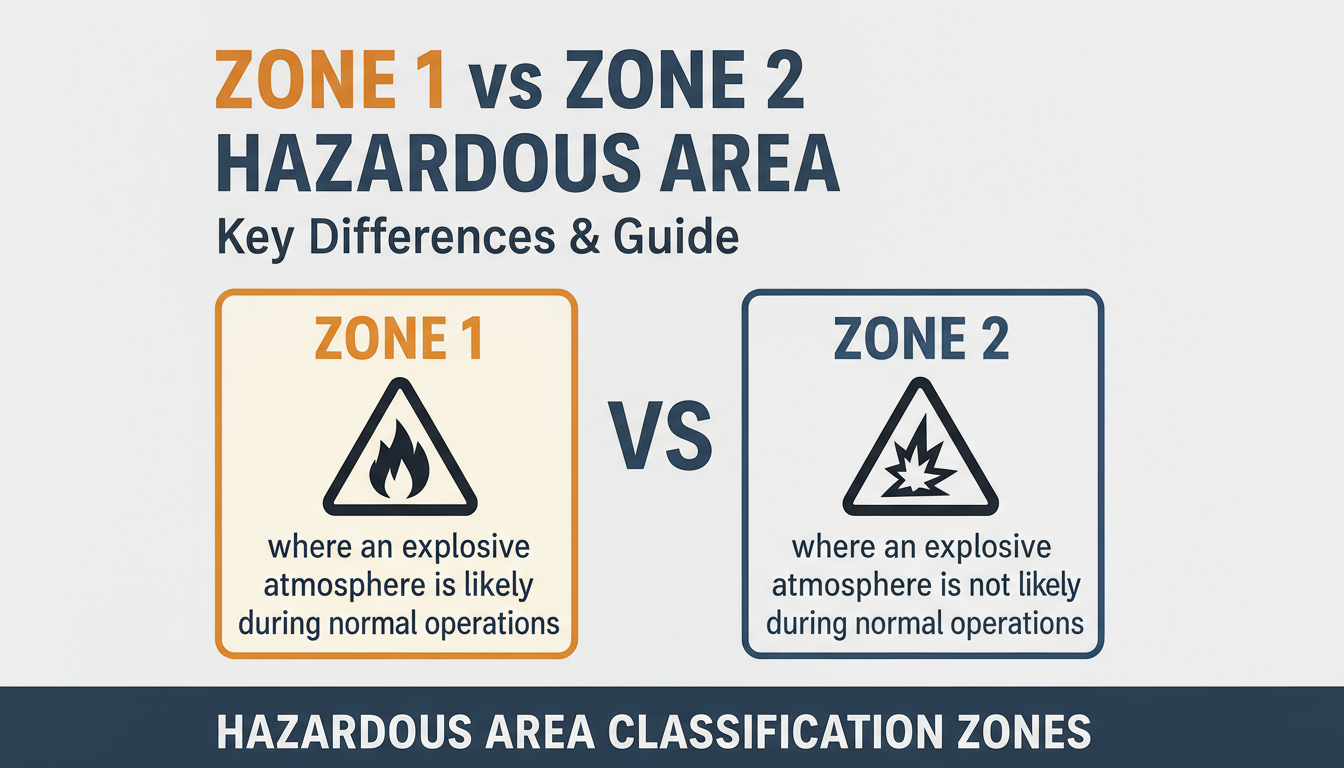
    If you are wondering what is zone 1 hazardous area is, the definition is quite specific under ATEX and IEC standards. Zone 1 refers to an area where an explosive atmosphere consisting of gas, vapour, or mist is likely to occur during normal operations. That means equipment or operational processes in this zone can occasionally release flammable substances into the air.


    International standards describe Zone 1 as an area where explosive mixtures are expected to be present for more than 10 hours but less than 1,000 hours per year.


    What Is a Zone 2 Hazardous Area?


    Now, what is zone 2 hazardous area in comparison? Zone 2 refers to locations where an explosive environment is not likely to occur under normal conditions, but if it does, it will only exist for a short time—typically less than 10 hours per year. The probability of flammable gas or vapor leaks is low, and even if a release occurs, it is expected to disperse quickly due to ventilation or a limited quantity.


    Difference between Zone 1 and Zone 2 – Risk Frequency and Duration Compared


    The primary difference between Zone 1 and Zone 2 lies in the frequency and duration of explosive atmospheres. In Zone 1, the flammable gas or vapour is also expected to appear occasionally during some normal processes. In contrast, Zone 2 is classified as low-risk because it contains some explosive mixtures, which are expected only under abnormal or accidental conditions.


    This difference also directly influences the type of certified equipment, advanced maintenance protocols, and some energy limitations in the respective zones.


    Equipment Standards for Zone 1 Hazardous Areas


    Zone 1 vs zone 2 hazardous area comes with some specific equipment standards, and you should know the proper equipment usage that is designed to contain or prevent ignition sources. Also, the correct equipment should comply with ATEX Category 2G or IECEx standards. This, in turn, indicates suitability for various environments, albeit with some occasional presence of gas.


    Typical requirements include:

    • To withstand some internal explosions that prevent flame propagation.
    • Ensures proper electrical energy levels are maintained, preventing them from being too low to cause ignition.
    • Reduces the overall risk of sparks or overheating.
    • ATEX/IECEx certification labels are properly and clearly marked on the modern equipment.

    Furthermore, due to higher risk levels, the proper maintenance frequency and some proper compliance audits are stricter in Zone 1 compared to other areas.

    Equipment Standards for Zone 2 Hazardous Areas


    There is a significant difference between zone 1 vs zone 2 hazardous area, and the same is applied to the equipment area. While Zone 2 hazardous areas often have a lower risk profile, they still require proper safety standards that necessitate the installation of advanced and certified equipment. However, the equipment category requirement is ATEX Category 3G, which means that the devices must be very safe during abnormal conditions, rather than during regular operation.

    Typical Zone 2 equipment features include:

    1. Non-sparking construction to prevent multiple accidental ignition.
    2. Limited-energy circuits that successfully ensure no ignition potential during failures. 
    3. IECEx compliance for meeting different global operations and ensuring harmonized safety.
    4. Simplified enclosure protection compared to Zone 1. 

    While learning hazardous area classification zones, even though the design standards are slightly relaxed compared to Zone 1, the use of uncertified devices is strictly prohibited, under the ATEX and IECEx regulations.


    How to Classify a Hazardous Area as Zone 1 or Zone 2


    Determining whether a site should be classified as the ideal Zone 1 vs Zone 2 hazardous areas, it involves some careful risk evaluation. However, here are key steps that the safety engineers should follow:


    As you are learning what is zone 1 hazardous area is, identify all the potential gas release sources, such as the pumps, valves, flanges, and pressure vents.

    • Determine the proper release frequency, for example, the normal operation (Zone 1) vs abnormal incidents (Zone 2).
    • Assess ideal ventilation efficiency; remember that poor ventilation often increases the risk of explosions.
    • Evaluate ignition source presence, hot surfaces, motors, switchgear, and static electricity.
    • Review overall maintenance and safety routines. Remember that poor maintenance can elevate a Zone 2 area to the Zone 1 classification.
    • Match classification with proper ATEX/IEC standard criteria and ensure overall compliance.


    A properly documented risk assessment is highly mandatory before assigning any kind of hazardous area classification zones.


    Examples of Zone 1 and Zone 2 in Industry


    To better understand the hazardous area classification zones, here are some of the real-world applications that you should not miss:


    1. Zone 1 Examples:


    • Pump mechanical seals are those where leakage is expected to occur occasionally.
    • Process vessels and reactor tops, where the internal pressure may force vapour out.
    • Tank roof vents are more prone to gas release during the filling operations.

    2. Zone 2 Examples:


    • Tank truck loading zones where the spillage may create some gas clouds.
    • Well-ventilated refinery loading bays, where the gas releases dissipate quickly.


    Both of these examples highlight the overall importance of recognizing multiple process behaviour and the environment that influence the zone’s designation.


    Zone 1 and Zone 2 ATEX Standards and Compliance


    As we are learning about zone 1 vs zone 2 hazardous area, it is crucial to know that both the ATEX Zone 1 and Zone 2 should meet the standard and compliance. Additionally, the Intrinsically Safe Store recognizes the crucial importance of utilizing certified equipment that is specifically designed for use in multiple hazardous areas.


    Furthermore, the proper selection of multiple products in the ATEX Zone 1 environment includes some intrinsically safe cameras, LED work lights, flashlights, and protective cases. By choosing equipment that meets both the ATEX Zone 1 and Zone 2 certifications, organizations can effectively reduce the chances and risk of accidents, protecting both their personnel and the whole infrastructure. 


    Best Practices for Zone 1 and Zone 2 Hazardous Area Safety


    Regardless of the classification, it is essential to adhere to some of the best practices for Zone 1 vs. Zone 2 hazardous areas safety. Below, we mention the following essential safety guidelines:


    • It is necessary to ensure proper and continuous ventilation that reduces the gas concentration levels.
    • Perform regular or frequent equipment inspections. This helps to avoid seal failure or overheating.
    • Eliminate the additional ignition sources by using safe tools and ideal equipment.
    • It is a hazardous zone, clearly marked with proper signage in accordance with ATEX and IECEx rules.
    • Train personnel on safe handling procedures and emergency shutdown protocols.
    • Use some properly certified electrical and non-electrical equipment. 
    • Consistent and proper safety practices that help to prevent certain incidents and help to maintain proper regulatory compliance.


    Conclusion: Choosing the Right Classification for Safety and Compliance


    It is necessary to understand the difference between Zone 1 and Zone 2 hazardous areas. These are highly critical for designing a safe and compliant industrial workspace. Zone 1 hazardous areas face a higher risk due to the normal release of explosive atmospheres and also require strict equipment standards and proper maintenance protocols. However, remember that the goal is not just to have the classification, but to ensure long-term operational safety and reliability.


    FAQs:


    What’s the main difference between Zone 1 and Zone 2 hazardous areas?


    The primary difference lies in the likelihood of an explosive atmosphere forming. Zone 1 is where an explosive atmosphere occurs during normal operation, and Zone 2 is the area where an explosive atmosphere is not common during normal operation but may occur under unusual conditions, albeit briefly. 


    Is Zone 1 more dangerous than Zone 2?


    Yes, Zone 1 is considered more hazardous compared to Zone 2 because it is an area where an explosive atmosphere can occur during normal operation. Zone 2 is less hazardous, as an explosive atmosphere is only expected to occur under abnormal conditions. This may include equipment malfunction, which is a temporary issue. 


    How do I know if my workplace is Zone 1 or Zone 2?


    To determine whether your workplace is classified as a Zone 1 vs. Zone 2 area, a proper and official hazardous area classification must be performed by experts in this field. And, as an employee, you can observe how the materials are handled in these two zones and the signage. 


    Can I use the same equipment in Zone 1 and Zone 2?


    Yes, you can use Zone 1 equipment in Zone 2, but not the other way. This is because Zone 1 equipment is specifically designed to be used in multiple areas with a higher level of protection. Similarly, the Zone 2 equipment in Zone 1 is not allowed because it is not certified for the more hazardous conditions. 


    What are some real-life examples of Zone 1 and Zone 2 areas?


    Some real-life examples of Zone 1 and Zone 2 areas involve hazardous locations where flammable gases or vapors are present. While Zone 1 encompasses the area directly around the gas pumps at a fuelling station, Zone 2 encompasses multiple areas, such as the gas station’s forecourt perimeter or the car park, where a hazardous atmosphere may only occur due to abnormal conditions. 


    What standards define Zone 1 and Zone 2?


    Zone 1 and Zone 2 are defined by some international standards, such as the IEC 60079 series and the ATEX directive. This classifies some hazardous areas based on the chances of an explosive atmosphere forming.


    Is Zone 2 actually safe to work in?


    No, Zone 2 is not completely safe, but it is less hazardous than Zone 1 because it is not expected to have explosive atmospheres during normal operations. Zone 1 is naturally considered more hazardous due to the presence of explosive gases, while Zone 2 areas become more hazardous due to an unexpected accident or equipment malfunction.
  • LED Floodlight vs Halogen: Which Lighting is Better?

    LED Floodlight vs Halogen: Which Lighting is Better?

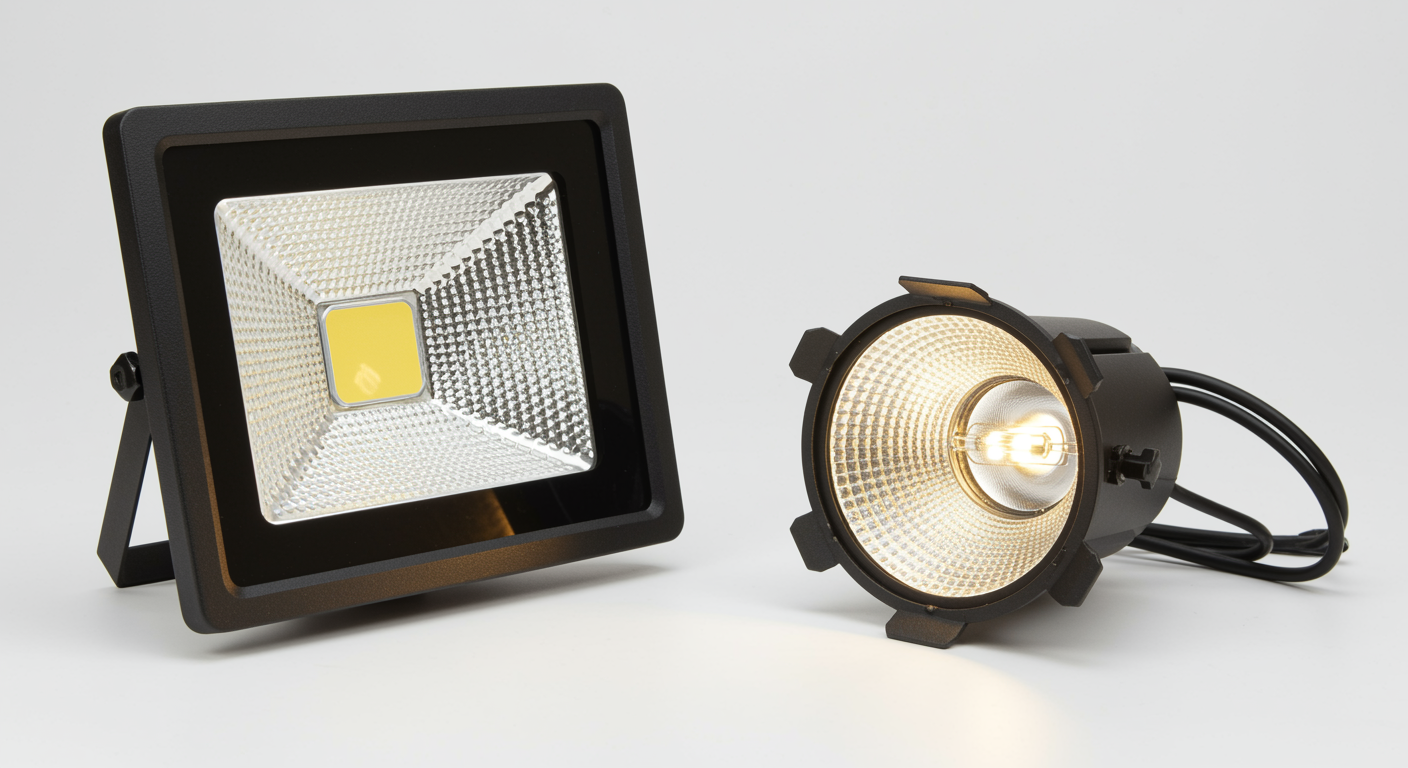
    Choosing between LED floodlight vs halogen has become a common dilemma for homeowners, business owners, and leading facility managers. With numerous lighting options available for various purposes, people often become confused about the trade-offs between cost, brightness, lifespan, safety, and long-term value. Halogen lights offer decent brightness, while the LED floodlights promise lower energy bills as well as far longer service life.

    In this guide, we will break down each of the factors, including efficiency, heat emissions, brightness, LED flood light vs halogen lifespan, safety, and environmental impact. All these factors can help you make an informed decision tailored to your specific needs.

    LED Floodlight Energy Efficiency vs Halogen Power Consumption

    When comparing different factors between the LED floodlight vs halogen, energy efficiency is always considered as the biggest differentiator.


    While the Halogen floodlights use a perfect heating filament that not only produces superior light but also consumes a high wattage, ensuring greater brightness, the 500W halogen floodlight is also very common in security applications, commercial settings, and on various construction sites.


    Compared to it, the LED floodlights also convert energy directly into light, with minimal heat loss. A 100W LED floodlight can also produce similar brightness to a 400–500W halogen lamp, often resulting in 65–80% energy savings.


    Real-world impact:

    If a halogen floodlight runs for 6 hours nightly, it could also consume up to 90 kWh per month for creating the halogen brightness. An equivalent LED floodlight would also consume around 18–25 kWh for the same output. Over the course of a year, that translates to noticeable savings on electricity bills, especially in commercial or security applications where lighting runs for long hours.

    Lifespan Comparison: How Long LED vs Halogen Floodlights Last

    To cover typical lifespans, LEDs often last 25,000-50,000 hours, compared to halogens’ 2,000-5,000 hours, and how that impacts replacement frequency & maintenance. 


    Type Average Lifespan Maintenance Frequency
    Halogen lifespan Typically, 2,000–5,000 hours Frequent replacements (especially for the outdoor fixtures)
    LED floodlight lifespan 25,000–50,000 hours Replace once every few years or even a decade


    Frequent bulb changes increase labour costs and inconvenience, especially for mounted floodlights installed high on poles or walls. LEDs also maintain their brightness for longer periods without drastic dimming over time, whereas halogen brightness tend to degrade more quickly.

    Brightness, Light Quality & Colour Temperature

    Brightness perception is another major factor that must be considered in the case of LED floodlight vs halogen debate.

    • Halogen brightness always appears warm and intense. Another excellent feature of this light is its excellent natural colour rendering. This makes halogen lighting a very popular option in photography and various applications where natural tones are important.
    • LED floodlights also offer a wider range of multiple colour temperatures, from warm white (3000K) to daylight (6000K). Thus, the light provides users with greater flexibility, depending on the desired ambiance or purpose.

    In terms of the beam distribution, modern LEDs also provide a proper and even light spread without hotspots. While the halogen lights may create concentrated brightness, halogen brightness often lacks uniform coverage. Similarly, for security lighting, warehouse illumination, or landscape lighting, LEDs can often deliver better light spread with proper controlled glare.

    Heat Emission & Safety: LED Floodlight Safety vs Halogen Risks

    Halogen emissions include not just a light but a significant amount of heat. Halogen floodlights can reach high surface temperatures, increasing risks such as:

    • Fire hazards near dry leaves, fabric, or wooden structures.
    • Burn risks if touched by accident.
    • Energy loss due to excessive heat generation.

    LED floodlight lifespan allows the light to stay cool, even after long hours of continuous operation. This makes the lights, both LED and halogen, much safer for both indoor and outdoor use. Furthermore, the lower heat emission also contributes to longer fixture life, as components are less likely to be damaged due to thermal stress.

    Costs — Upfront vs Long-Term Savings with LED vs Halogen Floodlights

    Initial cost is also a factor, and it is a fact there are halogen floodlight advantages still exist. However, a typical halogen fixture might cost significantly less than an LED.

    However, the true cost of these lights includes:

    • Energy usage over time
    • Replacement costs due to the short halogen lifespan
    • Low maintenance costs and labour
    • Heat-related damage or low efficiency
    System Initial Cost Annual Energy Cost* Replacement/Service 3 Year Total Timing 
    Halogen Floodlight Low  High  Frequent  Highest 
    LED floodlight High  Low  No replacement for long years  Lowest 

    Moreover, based on an average of 6 hours of daily usage.

    Furthermore, despite a slightly higher upfront price, the LEDs easily pay for themselves within one to two years of continuous usage. Therefore, the LEDs are chosen as a smarter choice for long-term investment.

    Environmental Impact: LED Floodlights vs Halogen Carbon Footprint

    While deciding between LED floodlights vs halogen, considering the environmental impact and carbon footprint is an important decision factor.

    • Halogen lifespan is much lower. This is because while the halogen lights consume more energy, this also leads to higher carbon emissions from electricity production.
    • Also, sometimes frequent replacements mean more waste.
    • Halogen emissions also include heat waste, which contributes to some unnecessary energy loss.

    On the other hand:

    • LEDs consume significantly less electricity. This, as a result, reduces the power plant demand as well as the greenhouse gas production.
    • The long lifespan also means less landfill waste.
    • LED lights do not emit excessive heat; thus, this particular light turns out to be a much eco-friendly option. 

    For any business or homeowner trying to reduce their energy footprint, LED floodlight lifespan are a clear winner.

    When Halogen Still Has a Place: Situations Where Halogen Floodlights Might Be Useful

    While the LEDs dominate most of the aspects, there are still some scenarios where halogen floodlight advantages might apply:

    • Very low initial budget

    For temporary installations, this option provides quick and cost-effective lighting.

    • Colour preference & CRI 

    Some photographers and artists often prefer the halogen due to its natural tone.

    • Existing fixtures not compatible with LED retrofits 

    In some cases, replacing the entire fixtures may add much higher cost along with some greater complexity.

    • Easy access installations 

    Replacement is simple in the case of halogen, and some users might still opt for the halogen.

    However, even in some cases, it’s essential to consider the short halogen lifespan and high halogen emissions against the long-term operating costs.

    Which Lighting Should You Choose for Your Situation? LED or Halogen?

    Here’s a quick recommendation based on usage needs:

    Use Case  Some Recommended Option 
    Home patio or garden lighting with some occasional use LED are better options for better efficiency and ease
    Security floodlights running all night LED floodlight lifespan helps with High savings on the electricity bills 
    Construction site temporary lighting Halogen if budget is low 
    Industrial warehouses or car parks Longer lifespan and low maintenance 
    Photography or studio lighting with CRI priority Halogen are preferred, but there are LEDs with this feature is available too 

    Conclusion

    In case of LED floodlight vs halogen comparison, LEDs always take the lead. This is due to the superior energy efficiency, extended LED floodlight lifespan, greater safety resulting from low heat emissions, and overall environmental benefits.

    However, Halogen still has a few niche use cases where a very low upfront cost or specific colour rendering is desired. However, despite its short lifespan and high energy consumption, the Halogen proves to be a costly choice in the long run.

    Overall, to make the best choice, consider the usage frequency, energy bill concerns, halogen brightness needs, and also different safety or environmental impacts. Additionally, for the most modern homes and businesses, LED floodlights are a future-proof and cost-effective upgrade that is worth investing in.

     FAQs: 

    1. How many watts of LED floodlight are equivalent to 500W halogen?


    The Collingwood 50W LED Floodlight is equivalent to a 500W halogen bulb. Due to a wide and perfect 120° beam angle and unique 360° rotation, this 50W flicker-free floodlight is considered ideal for proper outdoor use. These lights are also perfect for lighting large areas, courtyards, and entrances.


    2. Is LED lighting better for outdoor security than halogen?


    Yes, LED lighting is a better option for ensuring outdoor security than halogen brightness because it is more durable and energy-efficient. Additionally, such lights also provide a better quality of light for proper identification and surveillance. LEDs work in multiple weather conditions, producing a much crisper and more focused beam. 


    3.Do LED floodlights lose brightness over time (lumens depreciation)?


    Yes, the LED floodlights do lose brightness over time, a phenomenon known as lumen depreciation. Unlike the traditional bulbs that fail suddenly, the LEDs dim gradually as the semiconductor material often degrades. This decrease also slows, with some high-quality lights often rated to retain at least 70% of their initial brightness after 50,000 hours of use. 


    4. Can I retrofit my halogen floodlight fixture with an LED bulb or module?


    Yes, you can easily retrofit a halogen floodlight fixture with an LED bulb or module. But, before doing this, it is necessary to check the important compatibility and other safety factors to consider. A successful retrofit usually depends on your specific fixture. 


    5. What colour temperature should I choose for LED vs halogen?


    An LED bulb often matches the warm and yellowish light of a halogen. So, choose a colour temperature of around \(2700K3000K\). While the Halogens are typically \(3000K\), but LEDs are available in a wider range, from warm whites (\(2700K3000K\)) for cosy areas to cooler, brighter whites (\(5000K\) and above). 


    6. Are LED floodlights more expensive to buy?


    LED floodlights typically have a higher upfront cost compared to some traditional lighting options, but they offer long-term savings through lower energy consumption, minimal maintenance, and a longer lifespan.

  • Ex Lights for Scaffolding : Essential Safety Lighting Solutions

    Ex Lights for Scaffolding : Essential Safety Lighting Solutions

    Introduction to Ex Lights for Scaffolding


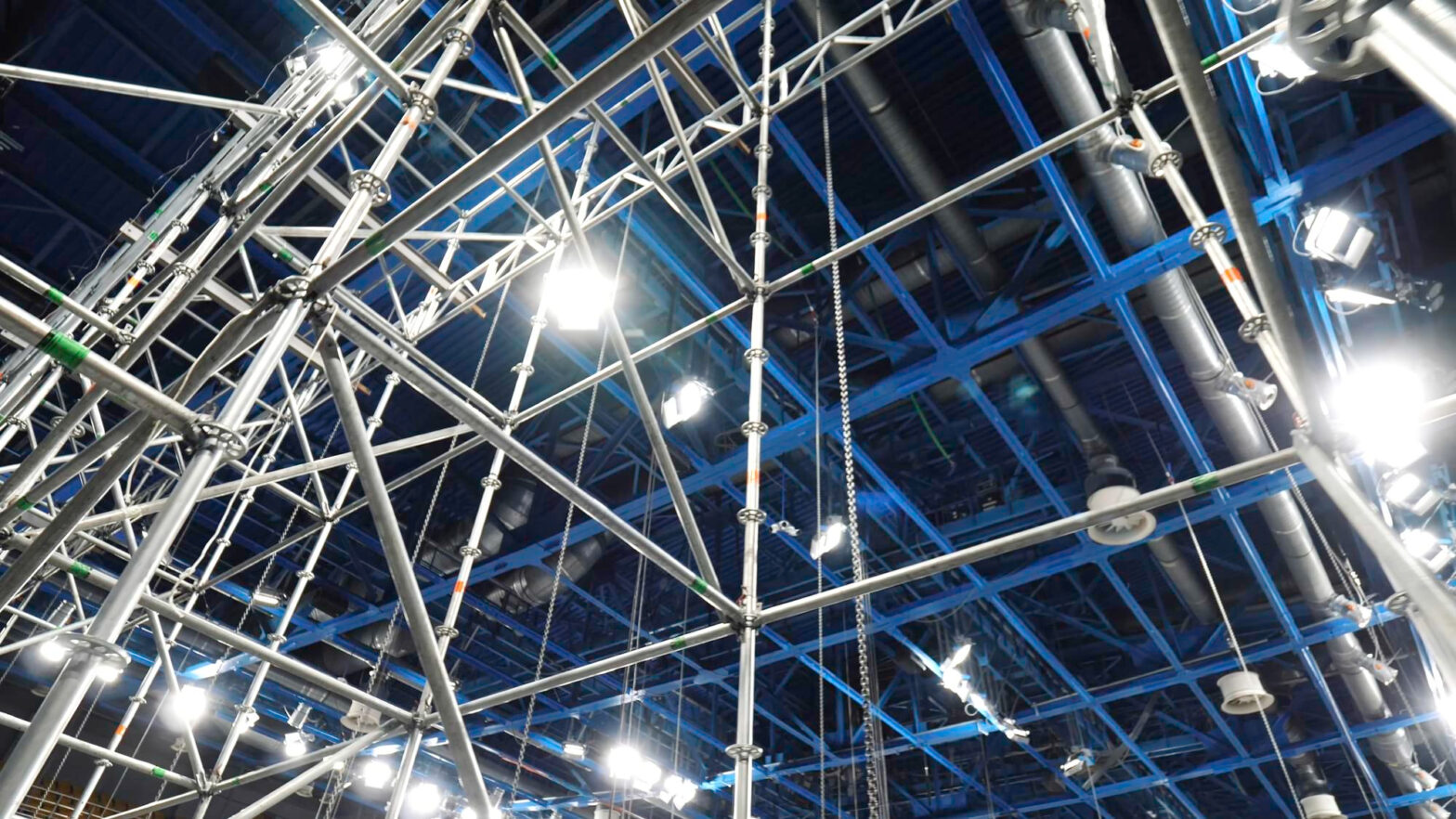
    When it comes to working at height, especially in some hazardous work environments, safety is a significant and non-negotiable priority. In such cases, the scaffolding setups in various industries, including oil and gas, chemical plants, and refineries, are often exposed to flammable gases, dust, and vapours. This, in turn, increases the risk of accidental ignition. In such environments, scaffolding lighting must be more than just bright; rather, it must be safe. 


    That’s where the top-quality ex Lights for scaffolding come into play. These spark-proof lights, specifically engineered for explosive atmospheres, ensure high visibility without compromising additional safety standards.


    What are explosion-proof lights?

    Explosion-proof lights, also known as ex lighting, are specially designed to operate in multiple areas where serious explosive atmospheres could exist. Instead of preventing some explosions entirely, these lights are built to contain any internal ignition that may occur, ensuring that it does not escape the fixture and ignite surrounding gases or vapours. Unlike some standard lighting fixtures, Ex rated lights are housed in durable, sealed enclosures that prevent sparks, heat, or arc discharges. 


    Furthermore, in the case of scaffolding applications, where equipment is frequently moved, handled, and exposed to environmental stress, explosion-proof lights provide both durability and regulated safety compliance. These lights are tested to meet strict standards, such as ATEX and IECEx, which ensure they are safe for use in potentially explosive environments.


    Why Choose Ex Lights for Scaffolding?

    Standard lights pose some significant risks when used on scaffolding in hazardous zones. Any heat emission, loose wiring, or even a spark could lead to some fatal consequences. Ex Lights for scaffolding eliminate the risk by incorporating some explosion-proof technology. Thus, the light proves ideal for proper scaffolding lighting in various industrial and offshore environments.


    Here’s why they are the right choice:


    Safety First 


    Ex lights minimise the risk of ignition in hazardous work environments where flammable gases or dust particles are present.


    Compliance 


    Most industrial worksites often require proper lighting that meets safety regulations. Ex rated lights also help meet these mandatory standards.


    Durability 


    Conditions on scaffolding can be rough. Equipment can get knocked over, exposed to the weather, or handled repeatedly. Ex lights are built to withstand impact, corrosion, and vibration.


    By choosing spark-proof lights for scaffolding setups, companies can effectively enhance safety, avoid regulatory penalties, and minimize downtime due to safety violations.


    Key Features of Ex Lights for Scaffolding


    To perform effectively, the top-quality ex-Lights for scaffolding are properly engineered with a perfect combination, besides following some advanced safety features and robust construction. Some key features include:


    Explosion-Proof Housing


    The housing is also constructed from some high-strength materials, such as aluminium alloy or stainless steel. These are also designed to withstand internal explosions besides maintain a safe external atmosphere.


    Impact and Vibration Resistance


    Scaffolding structures often experience constant movement as well as mechanical stress. Ex lighting solutions are impact-resistant, and these lights can also ensure reliable operation. 


    Weatherproof and Corrosion-Resistant Design


    Outdoor industrial scaffolding, when exposed to rain, dust, saltwater, and chemical vapours, the ex rated lights are sealed to resist the chances of corrosion and ensure longevity in harsh environments.


    Energy Efficiency


    Many modern Ex lights use the latest LED technology. This as a result provides high brightness with low power consumption. Thus, the lights turn out very ideal for long-duration projects where the energy efficiency translates into significant cost savings.


    Secure Cable and Mounting Options


    Designed for some flexible installation, Ex lights often come with mounting brackets. These are highly suitable for scaffold poles, along with secure cable routing options to prevent accidental disconnection.


    How Ex Lights Ensure Safety on Scaffolding


    Lighting safety is also highly crucial when workers are elevated and also exposed to some potential hazards. Additionally, poor exit lighting often leads to slips, missteps, or failure to detect gas leaks, as well as some serious equipment malfunctions.


    Ex Lights for Scaffolding play a critical role in safety by:


    • -Providing consistent illumination. This, in turn, reduces the shadows and blind spots.


    • – Preventing ignition risks through a properly sealed and spark-proof design.


    • – Operating safely in high-risk zones, even when the flammable vapours are present.


    • – Reducing heat emissions, is highly crucial in some enclosed or gas-sensitive areas.


    Furthermore, by minimizing halogen-style heat output and reducing additional spark risks, these specialized lights effectively contribute to safer scaffold operations, especially in hazardous work zones.


    Types of Ex Lights for Scaffolding


    Depending on the proper application, different types of ex rated lights can be used easily, especially based on scaffolding:


    1. Explosion-Proof Floodlights


    Ideal for wide-area illumination, such as large refinery scaffolds or shipyard platforms, these lights offer broad beams and are mounted on scaffold frames for enhanced visibility.


    2. Task or Work Lights


    These are compact and portable, spark-proof lights used for close-range work. These include –  welding, inspection, or even proper equipment repair. They also offer focused lighting in some confined scaffold sections.


    3. Portable and Handheld Ex Lights


    Essential for improved mobility, these battery-operated lights also offer enhanced flexibility with easy maintenance and inspection. And, there is no need for additional fixed mounting points.


    4. Emergency Ex Lights


    In case of power failure, the emergency lights automatically activate, guiding workers to disassemble the scaffolding structures safely.


    Each type serves a specific role for the scaffolding lighting strategy. Thus, it ensures both area coverage and task-specific illumination.


    Installation and Maintenance of Ex Lights on Scaffolding


    Proper installation and maintenance of the ex scaffolding lights are as important as choosing the right lights. Below, we are mentioning the installation and maintenance facts of these lights –


    Secure Mounting


    Lights should be attached firmly using proper brackets or clamps, which are designed for scaffold frames, to ensure the light remains stable during vibrations or adverse weather conditions.


    Cable Protection


    All wiring should be kept in place with proper sealed connectors, and those must be routed away from walkways. Hence, trip hazards or accidental disconnection can be avoided.


    Periodic Safety Checks


    Regular inspections should be conducted to ensure seal integrity, prevent casing damage, detect cable wear, and identify loose connections.


    Cleaning and Dust Prevention


    Dust buildup, especially in both chemical and mining environments, should be cleaned off properly. Thus, it can maintain proper heat dissipation, besides preventing interference with sealing mechanisms.


    Additionally, by maintaining the Ex lighting properly, scaffolding sites can operate efficiently and stay compliant with safety regulations.


    Ex Lights and Compliance with Safety Standards


    Industrial scaffolding in some hazardous zones must comply with international safety certifications. These certifications are – 


    • – Mandatory for any equipment that is used in potentially explosive atmospheres.


    • – The certificate ensures global standardisation and guarantees the performance of explosion-proof equipment.


    • – Ex lights match the zone rating in the work area, such as Zone 1 or Zone 2 environments.


    Using uncertified or regular lighting on scaffolding in some high-risk zones often leads to serious legal consequences and safety hazards. Additionally, the scaffolding lighting is ATEX or IECEx certified also ensures compliance with some operational safety standards.


    Cost Considerations for Ex Lights in Scaffolding Projects


    While the ex rated lights may have a higher upfront cost compared to regular lighting, the long-term benefits usually outweigh the investment.


    Cost Advantages Include:


    Reduced accident risk 

    This type of light effectively reduces the overall risk of explosion-related incidents.


    Durability and low maintenance 

    A longer lifespan and fewer replacements results in reduce downtime.


    Energy savings

    LED-based explosion-proof lights are properly used, and the energy consumption also drops significantly.


    In case of high-risk environments, investing in some spark-proof lights is not just a safety measure but a cost-efficient decision for the long-term scaffold operations.


    Conclusion: Why Ex Lights Are Essential for Scaffolding Safety


    In different hazardous industries, scaffolding is more than just a working platform; rather, it’s a high-risk zone where even the smallest spark can lead to major disasters. Ex lights for scaffolding provide complete assurance of spark-proof, explosion-protected, and durable lighting solutions. This ensures greater safety, compliance, and proper visibility in various working conditions.


    Furthermore, by investing in the top-notch smoke ex rated lights for scaffolding, project managers can successfully enhance workplace safety, meet multiple regulatory standards such as ATEX and IECEx, besides reduce the long-term operational risks. Additionally, in the case of different volatile zones, choosing the right scaffolding lighting is not just smart; it is a lifesaving decision.


    FAQs


    What makes Ex lights different from regular lights?


    Ex lights, or explosion-proof lights, are fundamentally different from regular lights because they are specially engineered with specialized containment and ideal safety features that help prevent explosions in hazardous environments. 


    Are Ex lights easy to install on scaffolding?


    Installing Ex lights on scaffolding is not easy, and it also requires specialized knowledge, certified equipment, and strict adherence to safety codes.


    Do Ex lights require special maintenance?


    Yes, Ex lights require special maintenance, and they can continue to operate safely in various hazardous environments. The “Ex” in Ex lights also denotes that the lights are explosion-protected, meaning they are built to prevent internal ignition. 


    How long do Ex lights last on scaffolding?


    An explosion-proof (Ex) light is typically used on scaffolding, and this type of light depends on the power source and whether it is used for emergency or standard work lighting. Furthermore, battery-powered safety lights can also last for months, while the LEDs in some wired fixtures also last for many years.


    Can I use standard lights on scaffolding in hazardous areas?


    No, you can not use the standard lights on scaffolding in hazardous areas. The risks of fire and explosion from using uncertified electrical equipment in such environments are extremely high, and these may lead to catastrophic consequences.


    Are Ex lights suitable for nighttime scaffolding work?


    Using ‘Ex’ lights for nighttime scaffolding work is highly suitable if the work is being performed in a hazardous area. Similarly, in the case of standard construction sites, this type of specialized lighting is not required.


    How do Ex lights compare to LED lights for scaffolding in terms of safety?


    For scaffolding, especially in standard environments, LED lights are considered much safer and efficient. However, Ex lights are also much safer than the standard LEDs when scaffolding is also used in hazardous or potentially explosive locations. 


  • Lighting for Confined Spaces: Essential Safety Lighting Solutions

    Lighting for Confined Spaces: Essential Safety Lighting Solutions

    Introduction to Lighting for Confined Spaces

    Confined spaces such as tanks, underground utility vaults, silos, pipelines, and maintenance shafts comes with some severe operational challenges. Also, these areas are often cramped, poorly ventilated, and even suffer from insufficient natural light. In such environments, lighting for confined space work becomes a highly crucial safety element. 


    Proper illumination not only supports greater accuracy and productivity but also plays a key role in preventing severe injuries, missteps, and sometimes the hazardous contact with equipment or chemical substances. However, without the right lighting setup, workers also face increased risk of accidents and sometimes delays during inspections, repairs, or rescue missions.

    Why Proper Lighting is Crucial for Confined Spaces

    Work environments classified as confined spaces and those lights are typically used for restricted movement and limited access to emergency exits. However, poor lighting further intensifies these risks. Additionally, workers may not be able to see some serious structural obstructions, compromised surfaces, or even face some potential leak points. In addition to low visibility, confined spaces often contain some hazardous gases or fumes that cannot be detected easily without thorough visual checks. 


    Similarly, with correct confined space lighting, teams can also easily identify some warning signs faster, communicate more clearly besides maintaining higher levels of awareness. Also, the high-performance lighting directly contributes to confined space safety, supporting safer navigation, faster workflows, and even help with better emergency readiness.

    Types of Lighting for Confined Spaces

    Different confined work environments also require different types of lighting solutions. So, picking the appropriate system can also significantly influence safety and efficiency.


    Explosion-Proof Lighting Units


    In areas where the flammable gases or vapours may be present, explosion proof lighting is also highly essential. These lights are engineered and also containing any internal spark, to prevent ignition of external gases.


    LED Confined Space Lights


    Modern explosion proof LED lights are also well known for their longevity and energy efficiency. They not only produce bright and stable illumination without generating excessive heat. Thus, it turns out a safer option for different enclosed environments.


    Portable and Task-Specific Lighting


    When mobility is considered as a priority, portable work lamps and headlamps also enable the workers to direct light exactly where those are needed. These are very useful during quick inspections, rescue deployments, or even help with proper maintenance in compact areas.


    Fixed Lighting Solutions


    For long-duration tasks or even during continuous industrial operations, fixed lighting systems are installed to cover a wider area consistently. These are also used during some large maintenance procedures or industrial cleaning tasks.

    Key Features of Lighting for Confined Spaces


    Selecting some confined space lighting often goes beyond choosing bright lamps. The right equipment must withstand the harsh nature of different industrial environments while offering better and user-friendly operation.


    High Durability


    Lighting when used in enclosed industrial areas must resist different impacts, chemical exposure, vibrations, and even moisture. Rugged housing here ensures a longer operational life.


    Ease of Deployment


    Quick setup and some effortless relocation are also very essential, especially in case of time-sensitive scenarios. Similarly, the lightweight fixtures with some simple mounting hardware also help to save time.


    Explosion-Proof Certified


    In environments with some volatile gas presence, only explosion proof lighting is certified under safety standards that those should be used to prevent some accidental ignition.


    Energy and Heat Control


    Using some explosion proof LED lights also ensures how the low power consumption extend the battery life in portable units, and also affects the minimal heat output. Therefore, it is important for both worker comfort and greater safety in gas-prone environments.


    Long Operational Lifespan


    Minimizing maintenance inside confined areas is also highly critical. Here, the smart LEDs offer some extended lifecycles that, reduces the frequency of replacements and proper interactions within high-risk zones.

    Explosion-Proof Lighting for Confined Spaces


    Certain confined spaces also fall under the hazardous zone classification, and it happens due to the presence of some flammable substances. In such environments, even a minor electrical spark can trigger an explosion. Explosion proof lighting is manufactured with reinforced enclosures that prevent internal ignition sources from coming into contact with external gases. These lights are thoroughly tested, and the items are also certified to operate safely in such conditions.


    Furthermore, some explosion-proof LED lights also minimize the ignition risks but also provide consistent brightness without any risk of flickering-thus, it helps with inspection accuracy and worker safety. Also, the cool operational temperature further minimizes the overall chances of surface ignition or heat buildup.

    LED Lighting vs Traditional Lighting for Confined Spaces

    The industry has gradually shifted from all the conventional lighting solutions like halogen and incandescent lamps to the smart LED-based systems. And, thankfully, the LED lighting for confined space operations turn out a great choice.


    Feature  LED Lighting  Traditional Lighting 
    Energy efficiency  High  Low 
    Heat Output  Minimal  High 
    Lifespan  Long  Short 
    Safety  High  Moderate to Low 
    Maintenance  Minimal  Frequent 


    While the traditional lights tend to generate more amount of significant heat which is very risky in enclosed or flammable environments, the LEDs, on the other hand, ensure safer long-term usage and energy-efficient illumination without compromising brightness.


    Regulatory Compliance for Confined Space Lighting

    Compliance with some recognized confined space safety standards is also highly essential when installing confined space lighting. Regulatory bodies such as OSHA have well-defined OSHA lighting regulations that ensure safe working conditions in different enclosed areas. Also, the proper Industrial-grade lighting equipment must also comply with latest certifications such as ATEX and IECEx, especially in explosion-prone zones. These standards actually verify that the lighting systems have been tested for proper ignition protection, durability, besides ensuring confined space safety in hazardous areas.


    Also, the regulatory requirements can also lead to penalties, operational delays, and also meet severe safety hazards. This compliance not only protects workers but also strengthens additional safety across different business operations.

    Maintenance and Inspection of Confined Space Lighting

    Routine maintenance is also very essential to ensure reliability and safety. While the neglected lighting systems can lose brightness, malfunction, sometimes those options also develop faults that go unnoticed until it’s too late.


    A solid maintenance checklist for confined space lighting should include:


    • Inspecting for visible wear, cracks, or corrosion
    • Verifying explosion-proof seals are intact
    • Checking electrical connections and power sources
    • Testing backup lights in case of main unit failure
    • Replacing any flickering or dimming lights without delay
    • Ensuring lights meet OSHA lighting regulations after every inspection


    A scheduled inspection routine also helps to maintain proper compliance while enhancing better worker confidence and safety during operations.

    Conclusion: The Importance of Reliable Lighting for Confined Space Safety

    In some restricted and high-risk environments, effective lighting for the confined space operations becomes a vital as well as essential safety factor. From improving greater visibility to reducing explosion risks, besides supporting compliance with OSHA lighting regulations, the role of confined space lighting cannot be underestimated. So, pick only certified explosion proof lighting which are preferred because those ensure long-term confined space safety, performance, as well as greater energy efficiency.


    Additionally, by investing in some durable, compliant, and well-maintained confined space lighting, industries can significantly reduce additional operational hazards and protect their workforce. 

    FAQs

    What type of lighting is best for confined spaces?

    The most suitable lighting for some confined spaces is low-voltage LED lighting, and it typically operates on 12V or 24V AC. These systems are also highly preferred in some hazardous or some potentially explosive environments. There are also 110V or 230V options exist and these also reduce the risk of electric shock. 

    Do confined space lights need to be portable?

    Yes, lighting used in some confined spaces should be portable. Workers also need to reposition lights inside the confined space that ensure proper illumination where the tasks are being performed. Portability also enhances flexibility and even allows workers to operate more efficiently. 

    Can regular lights be used in confined spaces?

    No, standard lighting should not be used in confined spaces as it often generate sparks or excessive heat besides creating a potential explosion hazard in different areas with flammable gases, vapors, or dust. Only certified confined space lighting that are explosion-proof low-voltage should be used for safety.

    How often should confined space lighting be inspected?

    Confined space lighting should be inspected on a monthly basis. For systems connected to central battery units, daily checks may be required. All inspections must be conducted by a qualified person, and any issues identified during testing should be addressed immediately.

    Are LED lights better for confined spaces than traditional lights?

    Yes, LED lights are a far better choice for most of the confined spaces. They are more compact, consume less energy, generate minimal heat, and last significantly longer than traditional bulbs. Conventional lighting tends to be bulkier and produces more heat, which increases risk in enclosed environments.

    Can confined space lighting be used outdoors?

    Some confined space lighting may be suitable for outdoor use, but it is not always ideal. These lighting systems are specifically engineered to address confined space risks like explosive gases and low-voltage safety but may not offer the level of ruggedness and weather resistance required for continuous outdoor use.

    How do I choose the right lighting for my confined space project?

    To select the right lighting, start by identifying potential hazards such as flammable gases and verify whether explosion-proof or low-voltage fixtures are required. Then, assess environmental conditions to choose a light with the correct IP rating and temperature classification. Finally, determine the required lumen level to ensure adequate brightness for the task.

  • Intrinsically Safe vs Explosion Proof

    Intrinsically Safe vs Explosion Proof

    Introduction to Hazardous Area Equipment Safety

    Working in various hazardous environments, such as oil refineries, chemical plants, mining sites, and gas processing units, comes with significant risks. However, the electrical equipment in these areas easily becomes a source of ignition if it is not designed with proper safety measures.

    However, even a small spark or excessive heat can trigger a serious explosion when some flammable gases, vapours, or dust are present. That’s why ensuring proper electrical safety in hazardous zones is crucial for protecting both personnel and equipment. Also, understanding intrinsically safe vs explosion proof protection allow many industries to choose the right safety approach besides maintain effective safety compliance.

    What Does Intrinsically Safe Mean?

    To understand what does intrinsically safe mean, it’s ideal to explore the ideal and intrinsically safe definition. Intrinsically safe equipment is designed to operate with such low energy levels that it cannot produce sparks or heat sufficient to ignite a hazardous atmosphere. Instead of containing the explosion, some intrinsically safe devices also prevent ignition from occurring in the first place, which is achieved by limiting the electrical and thermal energy sent to circuits.

    These intrinsically safe devices are also commonly used in different zones, for example – Zone 0 or Zone 1 hazardous areas, where the flammable substances may be present continuously or frequently. Additionally, the lightweight design and also the low-voltage operation make them very ideal for various types of instruments. These are handheld ones, sensors, and portable monitoring systems used in confined or high-risk environments.

    What Does Explosion Proof Mean?

    To clearly understand what does explosion proof mean, we refer to the explosion-proof definition, which describes equipment built to withstand and contain an internal explosion without allowing flames or sparks to escape. Explosion-proof enclosures are rugged casings that prevent any ignition source from igniting external gases or dust by trapping it inside.

    Unlike ATEX intrinsically safe devices that eliminate ignition potential entirely, explosion-proof equipment assumes an ignition could occur but ensures it is contained. These systems are typically used in Zone 1 or Zone 2 areas where flammable substances are present occasionally rather than continuously.

    Key Differences Between Intrinsically Safe and Explosion-Proof

    When comparing intrinsically safe vs explosion proof, the key difference lies in their approach to safety:

    Design Principle:

    Intrinsically safe devices actually limit the energy to prevent ignition. Also, the explosion-proof equipment also contains ignition within the heavy-duty enclosures.

    Voltage Handling:

    Intrinsically safe designs, when working with a low power, can also easily handle higher voltages and loads.

    Usage Zones:

    ATEX intrinsically safe equipment is also highly preferred for continuously hazardous zones (Zone 0/1), while the explosion-proof gear is also used in intermittent hazard environments (Zone 1/2).

    This intrinsically safe vs explosion proof comparison also demonstrates that both methods are valid with some safety solutions, but their suitability also ideally depends on some operational needs and risk levels.

    Advantages of Intrinsically Safe Equipment

    All the intrinsically safe devices also offer multiple operational benefits:

    Lightweight and Portable:

    These are very easy to carry and also ideal for some handheld options. Those are specially used in tight or confined, hazardous areas.

    Low Maintenance:

    Since no heavy enclosures are required, maintenance is also very minimal. This as a result affects the overall lifecycle cost.

    Enhanced Safety: 

    Ideal for the ATEX intrinsically safe environments with some high risk of continuous gas exposure.

    No Need for Explosion-Proof Enclosures:

     This also reduces the overall installation complexity and cost.

    Safe for Live Maintenance:

    Devices can be serviced without de-energizing the entire system, which actually improves workflow efficiency.

    These features also make ATEX intrinsically safe equipment an ideal and preferred choice in industries where better mobility and continuous monitoring are considered very critical.

    Advantages of Explosion-Proof Equipment

    Explosion-proof equipment also has its own strengths and advantages, making it very suitable for some heavy industrial setups:

    Handles Higher Voltage Loads: 

    Highly suitable for different motors, control panels, and even high-power machinery.

    Rugged Build for Harsh Environments:

     Explosion proof enclosures are perfect and exclusively designed to withstand even high impact, high pressure, and even corrosive atmospheres.

    Ideal for Outdoor or Harsh Industrial Environments: 

    This type of equipment can perform reliably in different areas where the equipment is exposed to dust, debris, or extreme weather conditions.

    Suitable for Zone 1 and Zone 2 Areas:

    Perfect where the presence of some explosive gases is possible. 

    Long-Term Durability:

     Designed for heavy-duty operations, it helps extend the equipment’s lifespan.

    Explosion-proof systems are best used where the IECEx explosion proof equipment exceeds the overall capacity of intrinsically safe circuits.

    Applications in Hazardous Areas

    Both intrinsically safe and explosion-proof safety methods are also widely used in different industries and that actually depend on the risk levels and operational needs:

    Oil & Gas Refineries:

    Intrinsically safe sensors are widely used for continuous gas monitoring, while explosion-proof motors power up the pumps and compressors.

    Chemical Manufacturing Plants:

    Explosion-proof control panels can also successfully manage high-voltage machinery, while the intrinsically safe handheld detectors ensure greater worker safety.

    Mining Operations:

    Portable intrinsically safe devices are used in proper underground monitoring, while heavy-duty IECEx explosion proof lighting systems can also illuminate access zones.

    Pharmaceutical and Paint Production Units:

    Intrinsically safe automation equipment can also ensure a safe handling of volatile chemical compounds.

    Understanding the operational environment help different industries choose the correct protection method.

    Intrinsically Safe vs Explosion Proof Standards and Certifications

    Safety compliance with global certifications is very essential to ensure the workplace safety. ATEX intrinsically safe standards when applied in European regions, the IECEx explosion proof certifications cover international requirements. In North America, UL and OSHA compliance regulations govern hazardous location equipment design and usage.

    These standards define safety zones, voltage limitations, enclosure construction guidelines, and performance testing criteria to ensure that both intrinsically safe and explosion-proof equipment meet reliability and protection benchmarks.

    Choosing Between Intrinsically Safe and Explosion-Proof Equipment

    When it comes to picking the right safety technology, it depends on multiple factors:

    Type of Hazardous Zone

    For continuous exposure (Zone 0), choose some intrinsically safe devices. Additionally, for the occasional exposure (Zone 1/2), you may find the explosion-proof equipment much more suitable.

    Voltage Requirements: 

    If the system requires high voltage, the explosion-proof designs are ideal. Low-voltage monitoring and the sensing tasks also suit intrinsically safe equipment.

    Mobility and Maintenance Needs: 

    Portable and lightweight operations can also successfully benefit from intrinsically safe solutions. Furthermore, the fixed and heavy machinery applications align better with the explosion-proof systems.

    Regulatory Compliance: 

    Always ensure that the safety compliance meets with ATEX, IECEx, or OSHA guidelines based on regional regulations.

    Understanding the intrinsically safe vs explosion proof also helps the decision-makers to focus on the right technology besides meeting the operational demands.

    Conclusion

    Whether using intrinsically safe or explosion-proof systems, the goal remains the same: ensuring safety compliance and preventing ignition in hazardous workspaces. Knowing the difference between these two protection methods also empowers industries to deploy the right equipment, reduce risks, and maintain compliance with some international safety standards.

    Additionally, by selecting the right equipment tailored to the environment, voltage, and proper certification requirements, industries can easily create safer and more efficient work environments.


    FAQs: 

    Can equipment be both intrinsically safe and explosion-proof?

    No, equipment cannot be both intrinsically safe and even explosion-proof. Intrinsically safe (IS) equipment prevents an explosion by limiting electrical energy to a non-ignitable level, while the explosion-proof equipment contains a proper explosion that might occur within a heavy-duty enclosure besides preventing its spread.

    What industries use intrinsically safe equipment the most?

    The industries that most frequently use some intrinsically safe equipment are actually oil and gas, chemical, pharmaceutical, and mining. However, due to the overall presence of some flammable gases, vapours, or dust, these industries also rely on some intrinsically safe technology that prevent ignition. 

    Do intrinsically safe devices need special maintenance?

    Yes, intrinsically safe (IS) devices always require some special maintenance. These include regular inspections, functional testing, and also replacing different parts with some certified components to ensure their safety features that remain intact and valid. This is very crucial because, while designed to be safe, they can be damaged by environmental factors, wear, or improper repairs. 

    What certifications ensure compliance for intrinsically safe or explosion-proof devices?

    Certifications such as ATEX, IECEx, and UL/CSA ensure proper compliance for intrinsically safe or explosion-proof devices by verifying the equipment that can operate safely in some hazardous areas without causing ignition. ATEX is a mandatory European standard and UL/CSA are key certifications for North America.

    Can I use intrinsically safe devices in any hazardous location?

    No, you cannot use some intrinsically safe devices in any hazardous location; their suitability also depends on the specific environment’s hazardous area classification and the device’s specific level of protection. Intrinsically safe (IS) devices are perfectly designed for low-power applications and must be used with proper barriers to limit the energy. 

    Can explosion-proof equipment be used in places where intrinsically safe equipment is needed?

    No, you cannot use an explosion-proof equipment in a location that actually requires some intrinsically safe equipment, because they use some different safety principles that prevent the chances of explosions. Intrinsically safe equipment is also perfectly designed to limit the electrical energy, making it very suitable for low-power devices. 

  • Explosion Proof Lighting: Key Applications Across Industries

    Explosion Proof Lighting: Key Applications Across Industries

    Lighting systems must do more than just illuminate the way in places where a single spark could cause a disaster. They also have to keep people safe. The use of explosion-proof lighting in various industries is crucial in situations like these. These specialized lighting systems are designed for high-risk environments, ensuring that industrial work can continue safely in areas filled with flammable gases, vapors, or dust.

    These strong lighting options are necessary to ensure people can see clearly in places like oil rigs and drug labs without compromising safety. Let’s discuss why explosion-proof lighting is crucial and how it’s utilized in various fields to mitigate risk.

    What is an Explosion-Proof Lighting?

    An explosion-proof light is a carefully designed light bulb that can handle high temperatures, sparks, or arcs. In this way, they help keep them from setting off nearby dangerous chemicals. You can still have blasts with these lights, but they stop the bulb from starting them.

    For this kind of lighting to be considered safe for dangerous places, it has to meet strict safety standards like:

    • ATEX (Atmosphères Explosibles) – mandatory in Europe
    • IECEx certified – a global benchmark for equipment in explosive atmospheres
    • NEC/UL standards – common in North America

    These certificates guarantee the safe operation of explosion-proof lighting in various industries, including oil and gas, marine, mining, pharmaceuticals, and aircraft.

    Why Hazardous Industries Rely on Explosion-Proof Lighting

    To lower the risk of fire or explosion, industries with potentially flammable atmospheres prioritize hazardous area lighting at the top of their list. Safety compliance isn’t a choice; it’s a must.

    This is why they use these kinds of lighting systems:

    • The lighting won’t start a fire even in areas with high gas or dust amounts thanks to certified EX equipment.
    • Legal risks are reduced and worker safety is improved by safety compliance with ATEX and IECEx.
    • Construction of lights includes protected housings that keep sparks out, safeguarding both workers and important equipment.

    There must be explosion-proof lights in every industrial setting, whether it’s a portable floodlight for a tunnel or fixed lights on a drilling rig.

    Oil & Gas Industry Lighting Needs

    Some of the most unstable and dangerous places on Earth are where the oil and gas industry works. From drilling platforms to storage areas, it’s essential to ensure that lighting is both effective and safe. Let’s examine how explosion-proof lighting addresses both permanent and temporary needs in this high-risk area.

    Safe Illumination for Refineries and Offshore Rigs

    There is a significant danger in refineries and offshore sites, where hydrocarbons can change rapidly. In these areas, hazardous area lighting must be robust, resistant to rust, and capable of withstanding harsh conditions. Fixed floodlights that are safe from explosions illuminate working decks, catwalks, and pump rooms, allowing workers to see better while they’re at work.

    Portable Lighting for Maintenance Operations

    Maintenance teams use temporary explosion-proof lighting kits and portable floodlight units during shutdowns and turnarounds. Because they are small and lightweight, they meet safety standards and provide focused lighting even in small areas with flammable vapors.

    Explosion-Proof Lights in Petrochemical Facilities

    There are small working areas in petrochemical plants where smoke, gas leaks, and dust buildup can be very dangerous.

    Many people use explosion-proof handlamps for repairs and inspections. It is essential to use approved ATEX lighting solutions and confined space illumination equipment like headlamps, magnetic base lights, and battery-powered lights. These ATEX-certified lighting and other methods help keep things from catching fire and allow people to move around easily in places with limited access.

    Lighting Safety for Aviation and Aerospace

    There are strict safety rules for aviation and flight activities because they use volatile fuels, pressurized systems, and sensitive gadgets. Explosion-proof lighting is crucial in these high-risk environments to ensure people can see what they’re doing without compromising safety or operational efficiency.

    Hangar Lighting Solutions

    Storage of dangerous fuels in airplane hangars makes spark-proof lights very important. Explosion-proof handlamps with a lot of lumens and LED floodlights provide clear vision all the time and are perfect for installing high in large hangars.

    Maintenance Bay Lighting

    Maintenance areas for airplanes need precise tools, and lighting is no different. To meet flight safety standards, repair bays are fitted with IECEx-certified confined space lighting. They help keep engineers and technicians safe from sparks that might occur by mistake in areas with a lot of fuel.

    Defence and Military Lighting Applications

    There are dangerous operating zones on military sites, bunkers, ammunition storage facilities, and armored vehicle garages. Defense contractors use explosion-proof lighting in various industries. Here, lighting that is tough and won’t break from shock makes things safer and more discreet.

    Lighting systems must be able to handle vibrations, rust, and interference from electromagnetic waves. Additionally, portable floodlights and emergency lights facilitate movement and task completion in war zones and at night.

    Marine and Offshore Lighting Solutions

    Marine settings are very challenging to work in due to the saltwater, oil odors, and constant vibration.

    The materials used to make marine-grade explosion-proof lights don’t rust, like copper-free aluminum or stainless steel. Platforms like the following are equipped with these corrosion-resistant fixtures:

    • Offshore platforms
    • Cargo ships
    • Fuel tankers
    • Naval vessels

    Under bad weather, offshore platform lighting makes it possible to move across helidecks, paths, and loading stations without risk.

    Utilities and Power Generation Lighting

    Power plants, including thermal, electric, and gas ones, often contain explosive gases, coal dust, and extremely hot conditions. To ensure operations are safe, explosion-proof confined-space illumination must be robust, weatherproof, and meet international standards for hazardous areas.

    Explosion-Proof Power Distribution

    In thermal and hydropower plants, EX transformers and splitter boxes safely transfer power between areas that contain coal dust or gases that can ignite. Breakers that are resistant to explosions reduce the likelihood of a fire spreading through short circuits.

    Safe Floodlighting for Inspections

    Powerhouses require floodlights for dangerous locations that can withstand vibration and heat for regular inspections. Mounted on scaffolding or movable towers, they safely light up engines, boilers, and reactors.

    Construction Sites in Hazardous Zones

    Large infrastructure projects often occur near fuel depots, chemical storage tanks, or dust-prone excavation sites. Temporary explosion proof confined-space illumination kits are critical for:

    • Tunnel boring machines
    • Mining shafts
    • Underground utilities

    Tower lights and a portable floodlight provide 360° coverage for both day and night construction. They ensure visibility while preventing fire hazards during welding, cutting, or blasting.

    Nuclear Facility Lighting Applications

    In nuclear power plants, lighting must not only be explosion-proof but also resistant to radiation and high pressure. Sealed explosion-proof confined-space illumination floodlights are installed inside containment domes and control rooms. 

    Their long-life LED drivers and reinforced enclosures offer stability during seismic events and radiation exposure. These fixtures ensure that critical infrastructure remains visible, even during emergency shutdowns.

    Railway and Transport Sector Lighting

    In the train industry, rail yards, subway tunnels, and fuel stores are all dangerous places to work with little air flow.

    Explosion-proof tunnel lighting systems don’t let dust or vibrations through. They make it possible to safely move through long tunnels. Track-side repair and rolling stock checks are easier with portable handlamps, especially in places where fuel residue and grease pose an ignition risk.

    Pharmaceutical Manufacturing Environments

    Cleanrooms and processing areas in pharmaceutical plants require lighting that strikes a balance between hygiene and explosion protection.

    Explosion-proof lighting in various industries includes germ-free production zones where chemical solvents, vapors, or combustible powders are used. Fixtures are:

    • Easy to sanitize
    • Free of exposed screws
    • Certified for use in Class I, Division I or Zone 1 areas

    UVA inspection lamps facilitate quality checks while ensuring compliance with ATEX lighting solutions.

    Explosion-Proof Lighting in Renewable Energy

    Even renewable energy facilities like biomass and biofuel plants face fire risks due to organic dust, methane, or confined turbine spaces.

    • Biofuel storage tanks need corrosion-resistant confined-space illumination floodlights.
    • Wind turbine towers use compact explosion-proof lamps in nacelles.
    • Solar plants use tower lights for night-time maintenance in remote, flammable zones.

    Lighting systems used here must be IECEx certified and adaptable to off-grid or hybrid energy supplies.

    Best Practices for Choosing Explosion Proof Lights

    To choose the right explosion-proof lighting solution, follow these steps:

    • Understand Zone Classification: Classify the workspace as Zone 0/1/2 or Class I, Division I/II to determine the level of protection needed.
    • Verify Certifications: Ensure lights are IECEx certified, ATEX approved, or compliant with regional safety standards.
    • Select Suitable Form Factor: Choose between fixed floodlights, handlamps, tower lights, or portable floodlight models based on the application.
    • Check Material Compatibility: Use stainless steel or anti-corrosive polycarbonate fixtures in marine or chemical industries.
    • Prioritize Maintenance Needs: Opt for LED-based solutions that offer long lifespans and minimal upkeep.

    Conclusion – Finding the Right Lighting Solution for Your Industry

    From refineries to pharmaceutical labs and tunnels to cleanrooms, explosion-proof lighting in various industries is a cornerstone of safe, compliant operations. Every industrial zone presents unique lighting challenges. Thus, choosing the right solution means balancing safety, performance, and reliability.

    If you’re seeking trusted, certified, and efficient lighting for your hazardous operations, explore the premium range of products at AJV Tech, where innovation meets industrial-grade safety.

    FAQs

    Where is explosion-proof lighting required in construction and maintenance projects?

    It is essential in confined construction zones, underground tunnels, mining areas, and near fuel storage or welding sites where flammable materials may be present.

    How long do explosion-proof LED lights typically last compared to standard lights?

    They often last 50,000-100,000 hours, significantly longer than standard lights, due to durable enclosures, high-grade drivers, and vibration-resistant designs.

    Are explosion proof lights weatherproof and suitable for outdoor environments?

    Yes, most are IP66/IP67 rated and made with marine-grade coatings, making them ideal for outdoor use in rain, dust, or salt-laden air.

    What certifications should I look for in explosion proof lighting (ATEX, IECEx, NEC)?

    Look for ATEX (Europe), IECEx (global), and NEC/UL (North America) depending on your location and industry. All ensure safe use of confined-space illumination in explosive atmospheres.

    Can explosion proof lighting be used in cleanroom or pharmaceutical facilities?

    Absolutely. Fixtures are available that are both explosion-proof and cleanroom-compliant, with sealed, easy-to-clean enclosures and ATEX lighting solutions standards.

    What are the most common portable explosion proof lighting options?

    These include portable floodlight, handlamps with magnetic mounts, headlamps, and battery-powered tower lights — all suitable for mobile and temporary tasks in hazardous areas.

  • LED Lighting vs Traditional Lighting: Efficiency and Performance Compared

    LED Lighting vs Traditional Lighting: Efficiency and Performance Compared

    Introduction – Why Compare LED and Traditional Lighting?

    Over the past few years, significant changes have occurred in how we illuminate our homes, businesses, and public spaces. Incandescent bulbs, halogen lights, and compact fluorescent lamps (CFLs) were once the most common types. The global lighting business is now shifting toward more energy-efficient lighting options, particularly LEDs.

    This change isn’t just an update to technology; it’s also a move toward sustainability, lower costs, and better performance. Comparisons between LED lighting and traditional lighting help customers, building managers, and businesses make informed decisions. You can choose the right lighting based on how well it works, the minimal damage it causes to the environment, its longevity, and its long-term value, if you are aware of the main differences.

    What is LED Lighting?

    LED stands for Light-Emitting Diode. It is a type of solid-state lighting where an electric current flows through a semiconductor, generating light. LEDs are smaller, last longer, and use less energy than traditional lights, which rely on wires or gas to produce light.

    The advantages of LED lighting include its low power consumption, minimal heat generation, and immediate brightness. You can also change the color temperature and lighting levels in a lot of ways. For these reasons, it’s perfect for a wide range of uses, from general lights in homes to commercial settings.

    The excellent lifespan of LEDs, which can reach 25,000 to 50,000 hours, is one of their most well-known benefits. This reduces both the number of replacements needed and the cost of upkeep.

    What is Traditional Lighting?

    Incandescent, fluorescent, and CFL lights are all types of traditional lighting. Many people and companies have utilized these tools for years, but each has its own set of problems.

    • A filament in an incandescent bulb is heated until it glows. They are inexpensive, but they waste a significant amount of energy, converting it into heat.
    • Halogen lights are superior to regular bulbs because they are brighter and use slightly less energy. They still make a lot of heat, though, and don’t last very long.
    • A gas-filled tube and a small amount of mercury vapor are used by CFLs to produce ultraviolet light, which is then converted into visible light. Even though they use less energy than light bulbs, disposing of them can be challenging because they contain mercury.

    When comparing LED lighting vs traditional lighting, traditional choices frequently fall short in terms of effectiveness, environmental impact, and lifespan.

    LED vs Traditional Lighting: Key Differences

    Consumers can save money and energy by understanding the key differences between LED lighting and traditional lighting. Both types emit light, but they differ significantly in their performance, cost, and impact on the world. Here is a thorough look at how their main features compare:

    Feature LED Lighting Traditional Lighting
    Initial Cost Higher upfront investment Lower purchase price
    Energy Efficiency Consumes up to 80% less energy; converts most electricity into light Wastes a lot of energy as heat; low light-to-energy conversion
    Lifespan Lasts between 25,000 – 50,000 hours Incandescents: ~1,000 hrs; Halogen: ~2,000 hrs; CFL: ~8,000 hrs
    Heat Emission Emits very little heat, stays cool to touch Incandescents and halogens emit significant heat
    Maintenance Costs Minimal replacement and maintenance required Frequent bulb replacements lead to higher upkeep costs
    Environmental Impact Mercury-free, recyclable, lower carbon footprint CFLs contain mercury; incandescents and halogens increase carbon emissions

    This comparison demonstrates why LED lighting vs traditional lighting is not just a fight of technology but also one of environment and cost. LEDs save more energy, are safer, and last longer than other options. This makes them perfect for long-term use, even though they cost more at first. Traditional lighting is cheaper to buy, but it quickly costs more because it doesn’t last as long and uses more energy.

    Applications of LED Lighting vs Traditional Lighting

    Commercial, industrial, public, and private lighting systems all serve different purposes. However, as lighting technology has improved, it has significantly altered how these areas utilize lighting. When we examine real-world applications, the comparison between LED lighting and traditional lighting becomes most clear. Both types have their uses in different areas, but LEDs are becoming the more popular choice because they are safer, more efficient, and more flexible.

    Applications of LED Lightings

    LED lighting has changed the way we light modern rooms:

    • Residences: A lot of people use LEDs in their beds, living rooms, kitchens, and baths. Smart lighting controls, dimmable choices, and a wide range of color temperatures make it easy for homes to set the mood they want.
    • Commercial Buildings and Offices: LEDs are standard in businesses, stores, malls, and hotels because of their energy-efficient lighting capabilities and long operating life. They lower running costs while improving the quality of lights in the workplace.
    • Warehousing and Industrial: In workshops, warehouses, and other places that make things, high-bay LED lights are now common. They are great for harsh settings because they last a long time, don’t break easily, and don’t need much upkeep.
    • Outside Areas: Outdoor lighting has changed a lot to use LEDs in places like arenas, parking lots, and lamps. They are brighter, can withstand bad weather, and come in low-glare choices while using less energy.
    • Automobiles and Air Travel: Modern cars and planes often use LED lighting for the headlights, dashboards, and passenger lighting. You can see better and they last longer.

    These places prefer LEDs because of their performance as well as the benefits of low heat output, flexible design, and environmental safety.

    Applications of Traditional Lightings

    Certain places still use traditional lighting:

    • Legacy Installations: Many older homes and buildings still use incandescent or CFL bulbs because they are more cost-effective and compatible with existing equipment.
    • Decorative Fixtures: Some interior designs or older lights use incandescent bulbs because they look nice and emit a warm glow.
    • Temporary or Budget Solutions: Although they may be more expensive in the long run, standard lights can be the best choice for low-budget or temporary settings because they are more cost-effective upfront.

    However, as more people become aware of it and can afford it, the transition from traditional lighting systems to LED lighting is gradually accelerating across all sectors.

    Pros and Cons of LED vs Traditional Lighting

    It is essential to understand the advantages and disadvantages of both lighting systems in order to make an informed decision. The advantages and disadvantages of LED lighting vs traditional lighting are thoroughly discussed below:

    Aspect LED Lighting – Pros LED Lighting – Cons Traditional Lighting – Pros Traditional Lighting – Cons
    Energy Efficiency Consumes up to 80% less energy; excellent for energy efficient lighting Initial cost is higher than traditional options Readily available and uses familiar technology Consumes high electricity and wastes energy as heat
    Lifespan LED lighting lifespan is long-lasting: 25,000-50,000 hours Low-quality LEDs may degrade faster CFLs can last 6,000-8,000 hours Incandescent bulbs last only 1,000-2,000 hours
    Heat Emission Emits minimal heat, reducing fire risk May require heat-tolerant fixtures in enclosed spaces Halogens provide heat for warming/industrial use High heat emission makes them unsafe and inefficient
    Environmental Impact Free from toxic elements; recyclable; low carbon footprint Some models are non-recyclable CFLs use less energy than incandescent CFLs contain mercury; difficult disposal and environmental hazard
    Lighting Quality Wide color temperature options; dimmable variants available Not all are compatible with dimmers or older switches Produces familiar warm glow Limited color choices; may flicker or hum (CFLs)
    Overall Cost Cost-effective over time due to long life and energy savings Higher upfront investment Lower purchase cost makes them affordable short-term Frequent replacements increase total cost over time

    The LED lighting benefits make it clear that they are the best option if you want energy efficient lighting with little upkeep and long-term saves. But people who are tight on cash might choose standard lights at first, even though they cost more in the long run.

    Best Practices for Switching to LED Lighting

    Switching from regular lights to LED technology offers numerous advantages. But to get the most out of the move, you need to do a few things right. To make sure the change goes smoothly, follow these steps:

    • Understand Lumens, Not Just Watts: Lighting lightsTraditional bulbs used to measure brightness by wattage, but LEDs measure brightness by lumens. One example is that a 10W LED can produce the same amount of light (approximately 800 lumens) as a 60W incandescent bulb. When considering brightness, ensure it matches the amount of light you prefer.
    • Choose the Right Color Temperature: Kelvin (K) units are used to measure the color temperature of LEDs. A warmer, yellowish light (2700K-3000K) that resembles incandescent bulbs is ideal for living rooms and bedrooms. Cool white light (4000K-5000K) is ideal for use in kitchens and offices. The best places for daylight LEDs (5000K-6500K) are task-oriented areas or outside.
    • Check Dimmer Compatibility: Many dimmers on the market may not work right with LED bulbs, which can lead to buzzing or a small dimming range. Ensure the LED bulb is labeled as “dimmable” and that it meets the dimmer’s requirements. You may need to replace old dimmer switches with ones that are compatible with LEDs.
    • Verify Fixture Compatibility: LEDs are sensitive to heat and can be affected by being in a small space. Always make sure that the light fixture you already have can be upgraded to LEDs, especially if it is hidden or locked. This is because bulbs cannot last as long if they don’t have sufficient airflow.
    • Start with High-Use Areas: To save the most money, replace lamps first in the most frequently used rooms, such as the kitchen, living room, and bathroom. Over time, make the change to more parts of your home or business.

    The change doesn’t need to happen at once. A gradual replacement approach can bring significant benefits without incurring substantial upfront costs.

    FAQs

    Why are LEDs more efficient than traditional lights?

    LEDs lose very little heat and turn most of their energy into light. In contrast, incandescent and halogen lights lose a lot of energy as heat. This means that LEDs are naturally more energy-efficient.

    Do LEDs really last 25x longer than incandescent bulbs?

    Yes. An incandescent light only lasts 1,000 to 2,000 hours, while a normal LED can last up to 50,000 hours. This makes it up to 25 times more durable.

    Are LED lights safer than halogen or CFL bulbs?

    Yes. LEDs work at much lower temperatures and don’t have any harmful materials in them. But CFLs have mercury in them, and halogens can burn you if you touch them when they’re hot.

    Can LED bulbs fit into traditional fixtures?

    Most of the time, yes. Normal LEDs come in standard sizes and bases, like E27 or B22, but for sealed lights, you should check that they are wattage equivalent and can handle heat.

    Do LED lights produce the same warm glow as incandescent bulbs?

    Yes. Warm white LEDs (2700K-3000K) have the same glow as incandescent lights, but they use less energy and last longer.

    Are CFL bulbs still better than LEDs in some cases?

    CFLs are cheaper up front and used to be the best way to get energy-efficient lights. On the other hand, LEDs have surpassed CFLs in almost every way because they work better and cost less.

  • Dead Man Control Switch: Applications, Benefits, and Industry Use Cases

    Dead Man Control Switch: Applications, Benefits, and Industry Use Cases

    Safety is the most important thing in any system that uses big tools or moving parts. In dangerous places, an operator’s lack of attention for even a second can cause crashes that are very bad or even deadly. That’s when a Dead Man control switch comes in handy. This technology makes operators stay on duty all the time and acts as a backup in case human attention fails.

    There are many uses for a safety interlock switch in industry, and this piece talks about them. Engineers, safety inspectors, and practical managers need to understand this process to make sure they follow the rules and lower the risk on the job site.

    What is a Dead Man Control Switch?

    A Dead Man control switch is a type of safety switch that stops a machine or system from working if the person operating it goes away or stops paying attention. The name comes from the fact that the operators of trains had to keep pressure on the switch. If you let go of it, it would mean that the “man” was no longer there or aware, which would cause an instant stop.

    Its primary goal is to act as a fail-safe switch, turning off machines or activities instantly when no one is in charge. This keeps possibly dangerous equipment from running on its own in case of an emergency, tiredness, or attentionlessness.

    This very important gadget is also known as:

    • Operator presence control
    • Fail-safe switch
    • Man present system
    • Safety interlock switch

    Many of these terms have slightly different meanings or operational approaches, but they all share the same goal: to ensure people are present as a prerequisite for operation.

    How Do Dead Man Control Switches Work?

    The Dead Man control switch is based on a simple but strong idea: it needs constant input from the user to keep working. If the operator touches, presses, or otherwise interacts with the switch, the machine or system will only work while the operator is doing so.

    Although it may only be for a moment, if the operator releases the input, the system will assume that they are either not able to do their job or are not paying attention. This will cause an automatic stop or an emergency response.

    There are different kinds of dead man switches that can have mechanical or computer triggers:

    • Mechanical Foot Pedals: Often found on trains and forklifts. The person in charge has to keep one foot on the ground. Letting go of the pedal turns off the power or puts on the brakes.
    • Hand Grips or Levers: The person using it has to hold on tight to the lever; if they let go, the machine stops working.
    • Push-to-Run Buttons: To keep these machines going, the person operating them has to press and hold a button all the time.
    • Proximity Sensors or Touch Plates: Today’s technology uses skin touch, body heat, or electrical interaction to show that someone is there.

    There are these buttons built into the machine’s control system. When input is interrupted, the machine immediately starts shutting down, such as:

    • Taking away the power
    • Putting on the emergency brakes
    • Setting off warning alarms
    • Giving control rooms alerts

    Because they don’t fail, they are necessary in safety-critical processes.

    Industries Using Dead Man Control Switches

    Many different types of businesses use Dead Man control switches because they require constant operator supervision to maintain safety. Businesses in these areas rely on these tools to mitigate risk, ensure compliance with safety regulations, and respond promptly in emergency situations. These switches are very important in the following fields:

    Rail & Metro Systems

    In rail and metro systems, people who run trains have to keep their foot or button pressed down all the time. If they pass out, the Dead Man control switch will not function, triggering an emergency stop. This is very important to keep accidents from happening on long hauls or subway travel when operators are tired or sick.

    Marine Applications

    Boats, ships, and subs all have Dead Man control switches built into the helm. When a person falls overboard, the switch either stops the ship or activates an emergency cutoff switch, allowing rescuers to work quickly. A kill-switch strap can also be used as a Dead Man device on jet skis and speedboats.

    Aviation & Defence

    Defense systems, flight simulations, and armed drones all need operators to be present. After losing input, these switches either turn off the machine or start an automatic safety procedure. They keep pulling and performing engine maintenance on the airplane ground support equipment.

    Industrial Machinery & Construction

    Dead Man control switches keep people from getting hurt by heavy machines like cranes, trucks, conveyor belts, and robotic arms. For instance, a person driving a lift truck must keep the pedals pressed down. If they don’t, the lift will stop itself, which lowers the risk of accidents at work.

    Utilities & Nuclear

    These switches ensure that important tasks, such as controlling valves or cooling systems, are never left unchecked in power plants and other facilities that generate electricity. A man-made system ensures that an operator is always monitoring all sensitive activities. This keeps the system from failing in terrible ways.

    Key Benefits of Dead Man Control Switches

    A safety interlock switch has many benefits that make safety, compliance, and operating integrity much better in many fields. Here are some of the main perks, broken down in more detail:

    Fail-Safe Mechanism for Immediate Shutdown:

    This feature’s ability to work as a fail-safe switch is its most important advantage. If the user stops responding because they are tired, or because of a medical emergency or something else, the switch stops the machine from working. This quick action reduces the risk of damaging equipment or injuring people, serving as a built-in safety measure during high-risk tasks.

    Supports Regulatory Compliance:

    Using a Dead Man control switch helps businesses follow strict safety rules set by groups like ISO, IEC, and OSHA. By using this gadget in important tasks, safety rules are not only talked about but also followed in real life. Automation that makes compliance easier also lowers liability in case of crashes or checks.

    Minimizes Workplace Accidents:

    The fact that these buttons only let people directly supervise the operation of systems lowers the chance of mistakes made by people. If the user lets go or gets sick, the machine stops working right away. This stops things from happening, like cars that get away, machines that move, or dangerous leaks. This cautious plan to stop accidents saves lives and lowers the cost of paying for damages.

    Promotes Active Operator Engagement:

    The switch makes sure that the operator stays awake and focused on the job at hand by needing constant interaction. This lowers the chance of inactive or careless watching, which encourages responsibility. Because of this, workers are more focused, and mistakes that happen when they lose focus are much less common.

    Easily Integrates with Broader Safety Systems:

    Adding an alarm, automatic braking system, or emergency lights to a Dead Man control switch makes it part of a bigger safety environment. Because the system doesn’t rely solely on people to assist in situations, this integration speeds up and improves the efficiency of incident response.

    All of these benefits are crucial for making the workplace safer, more compliant, and better equipped to handle real-time operating risks.

    Best Practices for Using Dead Man Control Switches

    Installing Dead Man control buttons is not enough to ensure they function properly. Take a look at these best practices:

    • Choose the Right Switch Type: Different settings need different controls, like foot pedals, handles, lanyards, or proximity sensors. Select the appropriate switch type for the machine and the user’s working style. 
    • Regular Testing and Maintenance: Plan to inspect switches on a regular basis to ensure they haven’t worn out or stopped functioning. Bad switches can make you feel safe when you’re not. Immediate repair of broken or nonresponsive switches stops operating risks.
    • Ergonomic Placement: Ensure the switch is easily accessible and does not cause fatigue for the user. If the setting is wrong, it could cause a lot of false triggers or dangerous solutions. Ergonomic design lowers the chance of disengagement by mistake or user pain.
    • Operator Training: Teach workers how the fail-safe switch works and what to do if it gets turned on by mistake or breaks down mechanically. Remind everyone that the switch is a safety interlock and how important it is to never skip or turn it off during operations.
    • Integrate with Emergency Protocols: If you connect these switches to alarm systems, emergency lights, or communication devices, they form a strong safety environment.

    For a deeper dive into how a Dead Man Control Switch works and its industrial applications, check out our detailed guide at AJV Tech

    FAQs

    What safety standards or certifications apply to dead man switches?

    Dead Man switches are often governed by international safety standards such as:

    • ISO 13849-1 (Safety of machinery)
    • IEC 60204-1 (Electrical equipment of machines)
    • EN 50126 (Railway applications)
    • OSHA 1910 Subpart O (Machinery and machine guarding)

    Compliance with these standards ensures the switch is safe, reliable, and properly integrated.

    How often should a dead man control switch be tested or maintained?

    Check these switches, if you want to:

    • Once a week for dangerous or used every day machines
    • Every month for backup systems
    • Anytime there is a false start or a potential malfunction

    Testing the safety switch on a regular basis makes sure it will work properly in a real situation.

    What happens if a dead man switch fails — is there a backup system?

    A lot of the time, there is duplication. As an example:

    • If the main switch fails, a backup shutoff may go off.
    • Warnings or alarms may let control offices know.
    • When a system senses a switch failure, it can go to a safe state by default.

    With redundant systems, there is no single point of breakdown that could put safety at risk.

    What’s the difference between a dead man switch and an emergency stop button?

    For a Dead Man control switch to keep working, it needs steady input. An emergency stop button is a device that you have to push by hand in clear situations. The Dead Man switch stops the machine before any incident happens, while the emergency stop stops it after the incident happens.

    How is a dead man switch different from a vigilance control system?

    A vigilance control system checks on the operator’s actions, like pressing buttons or moving the joystick, every so often. A Dead Man control switch, on the other hand, needs to be present all the time. Both are safety features, but they have different input needs (constant vs. occasional).

  • Benefits of LED Lighting: Cost Savings & Enhanced Visibility

    Benefits of LED Lighting: Cost Savings & Enhanced Visibility

    We’ve come a long way since the days of incandescent bulbs. The benefits of LED lighting have made it the preferred choice for homes, businesses, companies, and cities that prioritize energy conservation. Efficient LED lighting has transformed the way we illuminate our surroundings in numerous ways, from reducing power bills to enhancing visibility at work.

    This piece discusses how LEDs are superior to other types of lights. We’ll discuss cost-effectiveness, life safety, sustainability, and several real-world applications. Now, let’s examine why investing in LED lights is a good idea.

    Energy Efficiency and Cost Savings with LED Lighting

    Unrivaled energy economy is one of the most well-known benefits of LED lighting. Instead of wasting most of their electricity as heat, incandescent bulbs turn over 90% of their power into light that we can see. This leads to impressive LED energy savings, often reducing energy use by 75% to 90% compared to older technologies.

    Energy-efficient lighting can save you a lot of money on your power costs, whether you’re upgrading your home’s lighting or retrofitting a building. Additionally, LEDs perform well even when supplied with low power. This makes them perfect for setups that use both solar power and batteries.

    Lower cooling needs and less stress on HVAC systems are a result of the lower LED electricity consumption in commercial settings. This helps save even more money on operations.

    Long Lifespan of LED Lighting Reduces Maintenance Costs

    A big benefit of energy-efficient LED lighting is that it lasts a long time. Most incandescent bulbs last about 1,000 hours and fluorescent tubes 10,000 to 15,000 hours. Most LED lights, on the other hand, last 25,000 to over 50,000 hours.

    This longer life means that substitutes are much less often needed. It means fewer problems and a lot less work for repair workers in companies and businesses. When added to industrial LED lighting systems, the long-term saves are huge, especially in places with high ceilings where changing lights can be expensive and take a lot of time.

    LEDs’ reliable and cost-effective lighting solutions are guaranteed by their steady performance over long periods of time.

    Durability and Physical Resilience of LED Light Fixtures

    LEDs are not made of glass, unlike neon or halogen lights. Instead, they are made of solid-state parts that are very resistant to shaking, shock, and mechanical impact. For this reason, they work really well for industrial LED lighting, mines, building sites, and outdoor settings.

    The fact that LEDs are less prone to breaking and can withstand rough conditions means they will last longer and fail less often. Additionally, this level of sturdiness significantly enhances the benefits of LED lighting for companies that require illumination in challenging areas.

    Not only do they last a long time, but they are also tough and reliable when things get tough.

    LED Lighting Safety Benefits – Low Heat and No UV Emissions

    Most traditional lighting sources emit a significant amount of heat and ultraviolet (UV) rays, which can be harmful in certain environments. LEDs, on the other hand, don’t give off any heat or UV light. They are safer for people, fragile items, and places with low temperatures due to this.

    Additionally, they don’t contain any hazardous chemicals, unlike mercury, which is present in many light bulbs. This means that energy-efficient LED lighting is a better choice for use both inside and outside.

    The safety benefit makes them even more appealing as cost-effective lighting solutions because it reduces the risk of fire and is more environmentally friendly when disposed of.

    Design Flexibility and Directional Light Control in LED Technology

    LEDs give you more design options. LEDs are specific light sources, while regular bulbs spread light out in all directions. This means that focused lighting is possible without the need for mirrors or diffusers, which saves energy.

    There are many forms, colors, and levels of brightness that designers and builders can pick from. It is possible to make industrial LED lighting systems fit almost any need, from setting the mood in restaurants to making sure workplaces are well lit.

    Better energy management, beauty, and productivity are all benefits of energy-efficient lighting systems, which are made possible by this level of control.

    High-Quality Light Output and Better Visibility with LED Lighting

    In a store, office, building, or parking lot, visibility is crucial. LEDs provide brighter light with a high Color Rendering Index (CRI) and no flickering, making the space more comfortable and useful.

    High CRI LEDs work like natural light, making colors appear brighter and reducing eye strain. These features are especially helpful in environments that require precision, such as design workshops, hospitals, or assembly lines.

    One direct benefit of LED lighting is improved visibility, which is especially true when used in industrial applications where safety and accuracy are of the highest priority.

    Environmental Benefits of LED Lighting for Sustainability

    LEDs make a real difference in making the world cleaner. To help users achieve their energy efficiency goals, reducing LED electricity consumption also lowers total carbon emissions.

    LEDs are also fully reusable, contain no harmful materials, and produce minimal waste because they have a long lifespan. This helps national and international efforts to lower the amount of trash in landfills and electronic waste.

    Integrating energy-efficient lighting is both a matter of environmental stewardship and good business sense for companies that care about sustainability. Cost-effective lighting solutions, such as LEDs, align with long-term ecological goals, whether you’re a business brand or a municipality.

    Reliable Performance of LED Lighting in Extreme Temperatures

    LEDs work well in places where regular lights don’t in cold or hot places. LED lights always work, even in freezers at -20°C or on plant floors at +45°C.

    Because they are so reliable, they are the best choice for cold storage, factories, open venues, and remote weather stations. When temperature changes are a problem, industrial LED lights can keep the area illuminated at all times.

    Another great thing about LED lighting is that it always starts right away, unlike fluorescent lights, which often flicker or take longer to turn on when it’s cold.

    Economic and Market Advantages of Switching to LED Lighting

    In recent years, LED technology has become significantly more efficient while also becoming increasingly affordable. Reports from the business world indicate that LED prices have decreased by more than 80% over the last decade, making them more accessible than ever.

    The ROI has increased thanks to widespread adoption, government benefits, and advancements in smart lighting systems. The general financial advantage of switching to LED is evident, whether it’s due to energy savings, reduced maintenance, or environmental compliance.

    For business users, this also enhances their image and reduces running costs. Cost-effective lighting solutions are crucial to consider for several reasons.

    Common Applications and Use Cases for LED Lighting

    The long lifespan, energy-saving benefits, and wide range of uses of efficient LED lighting have led to its widespread adoption in many fields. LED lighting is now the preferred choice for both homes and businesses because it is flexible, efficient, and long-lasting.

    Residential Spaces:

    People use LEDs to light up general places, kitchens for specific tasks, beds for general lighting, and outside for security. LEDs are great for cutting down on energy costs and frequent repairs because of their low LED electricity consumption and long lives.

    Office and Commercial Buildings:

    Ceiling lights, work lamps, meeting rooms, and emergency exits in modern buildings use energy-efficient lighting. LEDs not only lower running costs, but they also produce a better and less flickering light, which is important for maintaining employee productivity.

    Street and Public Lighting:

    LED energy savings in streetlight systems are a major benefit to municipalities. LEDs provide focused, bright lighting that makes roads safer while reducing energy and maintenance costs by a significant amount.

    Warehouses and Industrial Facilities:

    In factories and stores, industrial LED lighting is very important. It emits even, bright light that makes things easier to see and reduces the risk of accidents at work. Additionally, LEDs are long-lasting and can withstand shocks and vibrations, making them ideal for harsh environments.

    Retail and Hospitality:

    In stores, high CRI lighting from LEDs makes colors pop, and hotels and restaurants utilize programmable LEDs to set the mood. While keeping costs down, these cost-effective lighting solutions improve the customer experience.

    Smart Lighting Systems:

    Automation systems and LEDs work together in smart homes and businesses. For greater ease and to maximize LED energy savings, users can adjust the lighting, colors, and schedule remotely.

    Performance, efficiency, and design freedom are all clear benefits of LED lighting in all of these areas.

    FAQs

    How much energy can LED lighting save compared to incandescent bulbs?

    LED lights can reduce energy consumption by up to 90% compared to incandescent bulbs. Their high efficiency ensures minimal electricity waste, resulting in significantly lower power bills and long-term savings for residential, commercial, and industrial applications alike.

    What is the average lifespan of an LED light bulb?

    The average lifespan of an LED bulb ranges from 25,000 to 50,000 hours. This is far longer than traditional lighting options and means fewer replacements, reduced maintenance efforts, and consistent illumination across years of usage—ideal for both homes and businesses.

    Do LED lights require less maintenance than traditional lighting?

    Of course, LED lights need a lot less upkeep. Because they last a long time, are well-made, and use energy efficiently, you don’t have to replace, fix, or service them very often. This is especially helpful in business or industrial settings with high ceilings or outlets that are hard to get to.

    Do LED lights produce ultraviolet (UV) radiation?

    No, LED lights do not emit ultraviolet (UV) radiation. This makes them a safe option for environments where UV exposure can damage sensitive materials, harm health, or cause color fading in artwork, textiles, or museum-grade display items.

    Can LED lights be dimmed or customized for color and brightness?

    Yes, many LED lights support dimming and color customization. Users can adjust brightness levels and choose various color temperatures or RGB outputs to suit specific moods, tasks, or decor preferences in homes, offices, and commercial spaces.

  • Recessed vs mounted lighting: Which should you choose

    Recessed vs mounted lighting: Which should you choose

    What is recessed lighting? 

    Globally regarded as a go-to choice for minimalist interiors, recessed fixtures remain primarily hidden. In other words, the entire housing and electrical conduit are fixed in the ceiling cavity. Only the trim and bulb remain exposed, aligned with the ceiling’s surface level. Thanks to its unobtrusive design, the rooms get a polished, refined look. 

    Below are a few key features to note for this argumentative study of recessed vs surface-mounted lighting

    • Flush-mounted for a clean, seamless look. 
    • Perfect for low ceilings and modern interiors. 
    • Housing is completely embedded in the ceiling cavity. 
    • Requires precision in wiring and placement. 

    Advantages of recessed lighting

    1. The sleek design imparts a clean, modular appearance while maintaining the minimalist décor statement. 
    2. Thanks to the unobtrusive design, physical space occupancy is almost negligible. 
    3. Recessed lights are known for their uniform illumination with no harsh shadows. 
    4. Strategic placements will help highlight specific features or architectural details. 
    5. A few models come with directional trims to create a focused illumination. 
    6. The design is suitable for ceilings with low height or less space for fixture accommodation. 
    7. These exhibit excellent compatibility with LED lights for an energy-efficient setup. 

    Disadvantages of recessed lighting

    1. Installation costs are significantly high due to special fixture requirements. 
    2. Most models can accommodate a specific bulb size, thereby limiting versatile usage. 
    3. The ceiling needs to be cut for structural modifications, which can be cumbersome. 
    4. Repairing or replacing damaged fixtures is effort-consuming due to exposed lighting.
    5. Non-LED setups will generate excessive heat, which further calls for insulation. 

    What is surface-mounted lighting?

    Sometimes, the ceiling’s depth is too shallow to embed the housing and wires. In such cases, going with a surface-mounted lighting system solves all the problems at once. As the name implies, here, the fixture is installed directly on the surface, thereby minimising the need for structural alterations. 

    The trim and bulb aren’t aligned with the ceiling’s surface. Instead, they protrude out, unlike in recessed lighting. To help you understand further, we have briefed some of its key features. 

    • Perfect for retrofitting or renovating 
    • Doesn’t require too much ceiling depth
    • Mounted right beneath the wall or ceiling surface
    • Abundant designs and styles are available
    • No structural alterations will be necessary

    Pros of surface-mounted lighting

    1. If you are looking for faster installations with minimal effort, surface-mounted lighting is your go-to option. 
    2. The fixtures are available in various sizes, shapes, and designs. Hence, you will get something to match your interior’s aesthetics. 
    3. In terms of affordability for recessed vs surface-mounted lighting, the latter is the winner. Installation or fixture purchase costs are significantly lower. 
    4. These setups are easily accessible, making maintenance, cleaning, or bulb replacement hassle-free. 
    5. It’s an ideal solution for retrofitting, where older fixtures need to be replaced with new ones. 

    Cons of surface-mounted lighting

    1. Their bulky appearance makes them instantly noticeable, which might not fit a minimalist décor theme. 
    2. Due to their obtrusive structure, they can cast sharp shadows, the size of which will depend on the fixture. 
    3. Most models do not distribute light evenly in the room, unlike recessed lights. 

    Key differences between recessed and surface-mounted lighting

    Features Recessed Surface-mounted
    Aesthetics Blends into the ceiling with a sleek, minimalist appearance Becomes a part of the room décor due to the prominent structure
    Installation Needs a ceiling cut to accommodate housing Can be installed directly on the ceiling’s surface
    Cost (fixed and variable)  Higher, due to labour and efforts Lower installation and upfront costs
    Light distribution Evenly distributes illuminations with no dark shadows Non-uniform light distribution, with a chance of shadow formation
    Fixture compatibility Limited to specific trim sizes and bulb types Compatible with most trims and bulbs
    Structural alterations Necessary to fit in the housing Not required


    Installation requirements for recessed vs surface fixtures

    Requirements Recessed Surface-mounted
    Structural needs Requires a ceiling cavity to accommodate housing Can be mounted directly on the surface
    Electrical access Wiring needs to run from inside the ceiling Usually exposed; doesn’t require invasions
    Insulation concerns Might require insulation-rated housing Can work without putting in too much attention to the insulations
    Ceiling depth Requires a minimum surface depth of 4 to 6 inches Ideal for shallow ceiling depths
    Building codes Needs to comply with insulation, fire ratings, and housing Simpler compliances
    Retrofit feasibility More challenging in finished ceilings Easier to install in existing structures


    Energy efficiency and light output comparison

    In this recessed vs surface-mounted lighting study, knowing the energy requirements will make decision-making easier. Both setups are compatible with LED bulbs, meaning you can have an eco-friendly lighting system for your house.

    The following are the considerations to make while choosing. 

    • Typical lumen output: Both systems can accommodate bulbs with a lumen output ranging between 800 and 1600.
    • Bulb types: For recessed setups, reflector or speciality bulbs are more feasible. On the contrary, surface-mounted fixtures are compatible with most bulb types available on the market. 
    • Wattage: Go for LED bulbs having a power rating of 8 to 15 watts. 
    • Heat generation: Using LED bulbs will minimise heat emission. However, recessed setups will require proper ventilation. 

    Aesthetics and design considerations

    There’s no doubt that the lighting style will influence the look and feel of the space. Recessed setups impart a minimalist look, making the rooms appear larger and ceilings higher. On the other hand, surface-mounted lighting becomes a décor element. It adds a character to the aesthetics. 

    • As recessed lights are embedded into the ceiling cavity with only the trim and bulb visible, they cast a sense of openness. 
    • From reflector to baffle, you can opt for different fixture styles for recessed lighting. This will help you customise the setups to match the aesthetics. 
    • Surface-mounted lights act as focal points by becoming a part of the décor. 
    • Surface-mounted lights usually come in various shapes and sizes, which makes them suitable for decorative interiors. 

    Best use cases of each type

    If you want recessed lighting, here are the ideal applications, given their unobtrusive and seamless looks. 

    • Open-plan living areas and kitchens
    • Highlighting architectural details and features
    • Rooms with low ceilings to prevent a cluttered look
    • Hallways and bathrooms for a minimalist appearance
    • In commercial areas, retail stores and galleries require focused lighting

    On the contrary, surface-mounted lighting brings its versatility to the table. That’s why it’s application areas are diverse, as in. 

    • Retrofitting in older homes without ceiling cavities
    • Utility rooms and basements have shallow ceiling depths
    • Commercial corridors and stairways for easy maintenance
    • Foyers or bedrooms for decorative accent lighting
    • Retail stores where a simple replacement is required

    Cost comparison: Upfront and lifetime

    Below, we have presented a complete cost breakdown to help you understand recessed vs surface-mounted lighting

    • Upfront costs: This will be much higher for recessed lights since the fixtures are pretty expensive. To top it off, the labour costs for installation will be high. 
    • Installation: As ceilings will require structural modifications, recessed lighting will incur higher charges. On the other hand, installing surface-mounted lights is comparatively cheaper, thanks to their plug-and-play designs. 
    • Lifetime expenses: Difficult maintenance and replacement incur heavy costs for recessed lighting. On the contrary, you can clean the surface-mounted lights yourself without having to call for a professional. 

    How to choose between recessed and surface-mounted lighting? 

    Although we have elaborated on recessed vs surface-mounted lighting, decision-making won’t be easy. So, here’s a brief checklist for you. 

    1. Ceiling depth: Choose recessed lights, provided your ceiling has a minimum depth of 4 to 6 inches. 
    2. Budget: For a lower budget, go with surface-mounted lights as they are more cost-effective. 
    3. Aesthetic goals: If you want to add decorative accents, surface-mounted fixtures will be a tangible choice. On the other hand, for a sleek, minimalist appearance, recessed fixtures are great. 
    4. Retrofitting: If cutting through the ceiling isn’t feasible, opt for the plug-and-play surface-mounted lights as they won’t need any structural modifications. 
    5. Lighting quality: For task lighting in focused areas, recessed fixtures are ideal. However, for broad, ambient lighting, surface-mounted lighting will be better. 

    Installation and maintenance tips

    • The power needs to be shut off before installation or maintenance to avoid any type of electrical accident. 
    • If you are installing recessed lighting, always go for IC-rated housing near insulation. 
    • For cleaning, use a dry or slightly damp cloth. Do not forget to switch off the lights. 
    • While replacing the bulb for a surface-mounted lighting fixture, turn off the power beforehand and allow it to cool down. 
    • LED retrofit kits can help you improve efficiency for older recessed cans. 
    • For recessed housing, ensure your ceiling has enough cavity space for ventilation. This will prevent the housing from being overheated. 
    • Double-check the mounts for both to ensure there are no loosening or sagging issues. 

    FAQs

    Is recessed lighting more energy efficient than surface fixtures?

    If the recessed lighting is compatible with LED bulbs, it will become energy-efficient. 

    Can I install recessed lights in a lowceiling room?

    The ceiling cavity space needs to be at least 4 to 6 inches deep to accommodate the housing and wiring of the recessed lighting. Otherwise, you can go for the surface-mounted lights. 

    What is the recommended ceiling height for recessed lighting?

    The recommended ceiling height for installing recessed fixtures is 4 to 6 inches. 

    Are surface-mounted lights easier to replace?

    As the entire housing and wiring are installed outside the ceiling cavity, they are easy to access. Hence, replacing surface-mounted lights will be hassle-free. 

    Do recessed lights create drafts or gaps in insulation?

    Sometimes, the recessed lights can cause gaps or drafts in insulation. 


  • ATEX vs IECEx: Complete Comparison & Guidelines

    ATEX vs IECEx: Complete Comparison & Guidelines

    What is ATEX certification? 

    The ATEX certification refers to the compliance of all equipment and protective systems used in explosive environments with the European Union Directive 2014/34/EU. Its primary purpose is to ensure safe handling and operations of different equipment units in areas where chemical gases, dust, and combustible vapours can be present. 

    The following industries need to adhere to the compliance standards. 

    • Oil and gas
    • Chemical and pharmaceutical manufacturing
    • Food processing
    • Mining
    • Grain handling and milling
    • Paint and coating operations

    Pros of ATEX certification

    1. It ensures industries adhere to the legal compliance within the EU territory for equipment handling in explosive environments. 
    2. Every certified equipment is aligned with the CE markings, thereby eliminating the risks of duplications. 
    3. Following the safety standards under ATEX helps businesses reduce liabilities and workplace accidents. 
    4. It also facilitates acceptance in the EU member states and easy, smooth market access. 
    5. Any type of delay in regulatory approvals within the European Economic Area can be prevented. 

    Cons of ATEX certification

    1. It is recognised only within the EU and not accepted globally. 
    2. The protocols are often subjected to alterations by different EU member states. 
    3. For non-EU products, separate certifications will be necessary. 

    What is IECEx certification? 

    This is an international conformity assessment system, depending on the IEC 60079 standards. It guides the manufacturing standards and handling of equipment units in hazardous or explosive environments. Managed under the International Electrochemical Commission, it ensures all products adhere to the global safety standards. 

    Below are the key features. 

    • Applicable for vapour, gas, and dust hazards. 
    • Broad acceptance across all the participating member nations. 
    • Streamlined certification and testing for all international markets. 

    Pros of IECEx certification

    1. It offers a transparent and standardised framework for product testing and audits. 
    2. Since it is managed under the International Electrochemical Commission, the products are accepted across global markets. 
    3. It boosts product credibility in the non-European markets. 
    4. Since it facilitates mutual acceptance, there’s no need for duplicated certification. 
    5. Manufacturing businesses can seamlessly enter the hazardous market areas. 

    Cons of IECEx certification

    1. It is not legally recognised in several countries. 
    2. The products do not usually follow the CE marking standards for EU compliance. 
    3. There is a limited acceptance rate in countries outside the IECE zone. 

    Difference between ATEX and IECEx 

    Features ATEX IECEx
    Regulatory authority European Union (Directive 2014/34/EU)  International Electrochemical Commission
    Certification approach Follows a legal directive Based on international standards
    Acceptance regions Mandatory for EU member states Globally recognised in IECEx member countries
    Labeling CE marking + ATEX IECEx mark with certificate number and Ex code
    Documentation needs EU declaration of Conformity, technical file Detailed Certificate of Conformity and detailed test reports


    Zone classifications in ATEX and IECEx standards

    Both the ATEX and IECEx standards use a harmonious system for zone classification. This is purely based on the type and frequency of the hazardous components found in any particular environment. Thanks to the cohesive zoning categories, manufacturers can determine the type of equipment and protection methods to be used. 

    For gas atmospheres, the following are the zine classifications. 

    1. Zone 0: This environment is exposed to chemical vapours and flammable vapours continuously for a prolonged time. 
    2. Zone 1: The gases are likely to be present, especially during normal operations of the equipment units. 
    3. Zone 2: Appearance of chemical vapours is unlikely during regular operations, and even if it occurs, the time frame is relatively short. 

    For dust environments, the zone classifications used are:

    1. Zone 20: It poses the highest risk due to the continuous presence of dust particles. 
    2. Zone 21: Dust is likely to be present only during regular operational hours. 
    3. Zone 22: The particles are present only for short times. 

    Both the ATEX and IECEx certifications use these zone classifications to select the explosion-proof mechanisms for the equipment units used in hazardous areas. To top it off, monitoring and ventilation systems also follow the standards. 

    How to get ATEX certification: Step-by-step process

    1. Identification of hazardous area zones: A thorough risk assessment is necessary to accurately identify the dangerous zone. For gases and vapours, Zone 0 to Zone 2 will be applicable. While for dust environments, Zone 20 to Zone 22 will be followed. 
    2. Determining equipment category: The equipment unit needs to be chosen based on the risk level and the zone where it is likely to be used. Categories 1, 2, and 3 are used primarily. 
    3. Designing and manufacturing: During these phases, manufacturers need to adhere to all the health and safety standards. 
    4. Preparation of the technical file: It needs to outline the risk analysis, design document, test results, and user guidelines. 
    5. Engagement of a Notified body: This will be essential for equipment units belonging to Categories 1 and 2 for conformity assessment. 
    6. Application of the required label: The CE and ATEX marking needs to be affixed along with the issuance of the EU Declaration of Conformity. 

    IECEx certification process explained.

    1. Selecting an ExCB: First, manufacturers need to choose a particular ExCB body approved by the IECEx. 
    2. Testing and assessment: The chosen ExCB will conduct a test according to the IEC 70069 standards to determine the explosion protection of the concerned equipment unit. 
    3. Issuance of ExTR: Once the testing is completed, an Ex Test Report will be issued, outlining all the details. 
    4. QAR: Every manufacturing facility will have to undergo a full-scale audit for consistent quality assurance. 
    5. Certification of Decision: The ExCB will then issue the Certificate of Conformity, provided both the QAR and ExTR are approved. 
    6. Listing of the IECEx online: Both the certification and documentation will be published online for global recognition and acceptance. 

    Which is better for you? 

    Given the detailed comparative study between ATEX and IECEx certifications, choosing the right one is crucial. So, here’s a brief checklist that you can follow to avoid the dilemma. 

    1. If you are entering the EU market only, the ATEX certification will be enough. Similarly, for the non-EU market, IECEx will suffice. However, for both zones, you will need to get ATEX and IECEx for a single product. 
    2. For products or equipment units that belong to the high-risk zones (Zone 0,1 for chemical uses and Zone 20 and 21 for dust environments), it’s better to get both ATEX and IECEx certificates. However, for general use, go for region or industry-specific certification. 
    3. If you have time constraints, applying for ATEX will be better. Although it is faster, you will be able to enter only the EU market. The IECEx certification, on the other hand, offers global recognition but needs more audits and documentation. 
    4. For a multinational sales approach, dual certification will offer streamlined access to all markets, both EU and non-EU. 

    FAQs

    Do I need both ATEX and IECEx certification for my equipment?

    If you want to enter both the EU and non-EU markets, both the ATEX and IECEx certifications will be required. Also, if the equipment is classified for high-risk zones, dual certification is preferred. 

    Is IECEx certification accepted in Europe?

    IECEx certificate is accepted only in non-EU countries. 

    What is the main difference between ATEX and IECEx?

    The ATEX certification is governed by the European Directive 2014/34/EU and is accepted only in the EU member states. The IECEx, on the other hand, follows the IEC 70069 standard and is globally recognised except in the EU region. 

    Can I use ATEX-certified equipment in non-EU countries?

    No, any equipment certified for ATEX cannot be used in non-EU countries. 

    How long does it take to get ATEX or IECEx certification?

    The time complexity to acquire either the ATEX or IECEx certification will depend on documentation readiness, product complexity, and testing results. 


  • LED vs halogen lighting in hazardous areas: A complete guide

    What is LED lighting? 

    Whether it’s your bedroom or a retail outlet, one thing that you will find in common is the lighting system. Most modern-day setups prefer using energy-efficient and durable bulbs. And nothing can top the chart in these two aspects other than LEDs. 

    Made with semiconductors, these do not possess filaments like conventional lamps. When current flows through the internal circuit, energy is emitted in the form of light rays. Depending on the semiconductor material used, LEDs can emit light of varying colours, like white, red, green, and others. 

    In the context of hazardous areas, LEDs are preferably used over other lighting technologies. That’s because of their commendable durability, advanced control features, and low maintenance needs. 

    Advantages of LED lighting

    • In the comparative study of LED vs halogen lighting, the former is the most energy-efficient. It consumes about 80% less power, making it a suitable choice for sustainable lighting. 
    • The internal circuit and semiconductor devices used in constructing LEDs can supply power for 25,000 to 50,000 hours. This reduces the replacement frequency in hazardous areas. 
    • As the heat generated is significantly less than that of halogen, using them in flammable areas will reduce the risk margin. 
    • Modern LED models feature smart control integration, varying colour temperatures, and adjustable brightness. 
    • Thanks to the solid-state design, the LEDs are resistant to shocks and vibrations, which is indeed ideal for hazardous areas. 
    • They do not require any warm-up time to produce illumination after powering on. 

    Disadvantages of LED lighting

    • The initial purchase cost will be pretty high as the LEDs are made with solid-state technology. 
    • If not of the premium-grade, the bulbs can flicker or become dim automatically, which will further hinder visibility in hazardous areas. 
    • As they contain rare earth elements, disposal will require special considerations. 

    What is halogen lighting? 

    Consider a regular incandescent bulb. Although it emits a mighty glow, performance efficiency hits rock bottom most of the time. That’s why many prefer using halogen lighting. As the name implies, it comes with a tungsten filament and a halogen gas inside the glass or plastic casing. 

    Once switched on, the current flowing through the circuit causes the halogen gas to emit energy and glow brightly. To top it off, the device has further redeposited evaporated tungsten molecules on the filament, thereby prolonging the usage duration. 

    Advantages of halogen lighting

    • Most lights are designed to emit a warm, bright light which mimics daylight ambience. That’s why using them in poorly lit, hazardous areas is better for visibility. 
    • The upfront purchase costs won’t be as high as those of the LEDs. This can reduce the overall expenses and fit tighter budgets for small-scale projects. 
    • Thanks to the commendable colour rendering index of 100, halogen emits bright light with accurate colour visibility. 
    • The halogen lights feature an outstanding compatibility with most dimmer switches. Hence, controlling the brightness is hassle-free. 
    • Like the LEDs, these too don’t require any extra warm-up time. Once switched on, they will emit an instant glow, lighting up the area. 

    Disadvantages of halogen lighting

    • If we talk about energy efficiency, halogen isn’t the ideal choice. It combines way more electric current to produce the same brightness as that of the LEDs. 
    • As there’s no additional built-in heat tank, halogen lights become extremely hot. This can increase the risk margin at hazardous areas, especially those with flammable gases. 
    • Lifespan is extremely short, ranging somewhere between 1,000 and 2,000 hours only. Thus, you will need to replace them quite frequently. 
    • Halogen lights also emit CO2 gases when used continuously. As a result, the carbon footprint will automatically increase tenfold. 

    Side-by-side comparison of LED and halogen

    To help you understand further, here’s a brief comparison of LED vs halogen lighting

    Features LED Halogen
    Efficiency Highly efficient Less efficient
    Lifespan Can last between 25,000 to 50,000 hours Only for 1,000 to 2,000 hours
    Color temperature 2700K to 6500K+ Warm, usually between 2700K to 3200K
    CRI 80 to 98 Typically 100
    Upfront costs High Average
    Operating costs Less High
    Heat output Less High
    Dimming compatibility Yes but limited options Excellent
    Environmental impact Minimal with no CO2 emission High due to carbon footprint


    Energy consumption & cost savings

    Comparing LED vs halogen lighting based on energy consumption is crucial for your selection. After all, no one would willingly invest in something that puts a dent in the pocket every month through high utility bills. 

    Now, an LED consumes much less power, between 8 and 15 watts for the same brightness generated by a 60-watt halogen light. Although purchasing LEDs is costlier, they have a payback period of only one year. Maintaining them in the long run will be wallet-friendly, unlike halogen bulbs. 

    To top it off, you will need to replace the halogen lights frequently. It will automatically incur higher costs in the coming years. 

    Light quality: Brightness, colour temperature, and CRI

    1. Lumen output
    • For LEDs, the rated brightness is about 80 to 120 lumens per watt. 
    • Halogen lights feature only 12 to 18 lumens per watt.
    • 2.Color temperature
    • You will find LEDs with a warm glow (2700K) and also in the cooler range (6500K+). 
    • For halogen, the colour temperature varies between 2700K and 3200K, meaning a warmer glow. 
    1. Colour Rendering Index
    • LEDs usually have a CRI ranging between 80 and 98.
    • Halogen lights are known for their high CRI, which typically amounts to 100.

    Durability and lifespan

    LEDs have a much longer lifetime compared to regular halogen lights. These can function for 15,000 to 50,000 hours, depending on the usage frequency and build quality. To top it off, their sturdy, robust housing makes them highly resistant to physical shocks, vibrations, and impacts. Owing to this, they are perfect for hazardous areas. 

    Halogen, on the other hand, has a very short lifespan, ranging between 1000 and 2000 hours only. As a result, you will have to replace them now and then. It increases not only the maintenance costs but also the risk factors when used in hazardous areas. 

    If we consider LED vs halogen lighting based on their performance, the former is the evident winner here. That’s because LEDs deliver consistent brightness for years while halogen bulbs degrade faster. 

    Environmental impact and sustainability

    1. LEDs use 75% to 85% less electrical power than halogen lights. Hence, they are the best choice for sustainable lighting. Also, they do not increase the carbon footprint. 
    2. Most components present in an LED light are recyclable, except the rare earth elements. On the contrary, the glass and metal parts of a halogen light are only recyclable. 
    3. As LEDs do not emit too much heat, the HVAC system doesn’t experience high loads. However, the same can’t be said for the halogen because of excessive heat generation. 
    4. Although halogen lights do not contain mercury or rare earth metals, waste generation due to frequent replacements can’t be ignored. 

    Use cases: where can each lighting be used? 

    LED lighting

    • Hazardous areas due to lower maintenance needs and stronger build quality. 
    • Outdoor surveillance and security, owing to high brightness and consistent night visibility. 
    • Commercial spaces benefit from seamless integrations with IoT devices for more intelligent control. 
    • Retail displays, owing to adjustable CRI and colour temperatures. 

    Halogen lighting

    • High CRI allows accurate colour visibility in photography and studios. 
    • Warm glow enables accent lighting to highlight architectural features. 
    • Suits lighting needs for low-budget uses. 
    • Lounges and bedrooms require customizable dimming. 

    How to choose: LED or halogen? 

    LED lighting will be perfect for:

    • Low energy needs with long-term cost saving plans
    • Intelligent control and variable colour temperatures are required. 
    • Hard-to-reach areas or hazardous areas. 
    • Longevity and durability matter over the initial costs. 

    Halogen lighting, on the other hand, will be suitable for:

    • Limited upfront budget. 
    • Lights won’t be used too frequently. 
    • Natural warm light and high CRI are required. 
    • Need to fit in a traditional dimming switch. 

    Installation and maintenance tips

    • Always use certified fixtures for both LED and halogen lights to prevent any compatibility or insulation issues. 
    • Follow the manufacturer’s guidelines for recycling and disposal. 
    • Ensure there’s a proper ventilation window for halogen lights to prevent overheating. 
    • Choose proper dimming switches that will be compatible with the LED lights. 

    FAQs

    Are LEDs more energy efficient than halogen bulbs?

    Given how LEDs consume only 8 to 15 watts of electrical power to deliver the same brightness as that of a 60-watt halogen bulb, it’s energy-efficient. 

    Can I use LED bulbs in old halogen fixtures?

    No, the fixtures for both halogen and LED lights are different. Hence, it’s better to use one that is compatible with the LED bulb you have purchased. 

    Do LEDs provide the same light quality as halogens?

    The lumen output of LEDs is usually between 80 to 120 lumens, whereas that of a halogen is only 18 lumens at the top. So, in terms of brightness, LED is the winner. As for color temperatures, LEDs are available in both warmer and cooler ranges while halogen lights emit a warmer glow only. If we talk about CRI, halogen renders 100 of true color visibility. 

    How long do LED bulbs last compared to halogen?

    LED bulbs are based on solid state technology, which is why they can produce light for 50,000 hours maximum. On the contrary, halogen bulbs come with the tungsten filament, which degrades with time. That’s why they can last for 2000 hours only. 

    Can halogens be dimmed like LEDs?

    If you connect the halogen light with a compatible dimmer switch, you can control its brightness easily.