Archives: Blog

  • OSHA Lighting Standards: Safety & Compliance Guide

    Good lighting at the workplace is very important to the safety of all people. It as well affects performance of workers and productivity. As a result, building managers and decision-makers must provide enough lighting in the workplace.

    The Occupational Safety and Health Administration (OSHA) has set a standard for lighting in the workplace since it is such an important safety problem. OSHA lighting standards understand its value in minimizing workplace hazards and providing pleasant, low-vision working conditions.

    OSHA Lighting Requirements

    As expected, OSHA has a broad range of workplace lighting standards that address everything from the basics of fixture construction to the recommended illumination levels for specific applications and many other topics in between. Before understanding these requirements, it is essential to grasp a few fundamental definitions. The following is a list of OSHA terms and lighting definitions:

    • Foot Candle

    A light output measurement is the amount of lighting that a candle at a distance of one foot produces. OSHA foot candle requirements establish the minimum lighting standards for each type of work environment in foot candles (ft-c) because various work situations require varying amounts of illumination.

    • Lux Level 

    This method measures light intensity. One lux is the amount of light that a single candle can provide on a one-meter surface area when seen from a distance of one meter from the candle.

    • OSHA 1910 Illumination Standards

    This is a required OSHA regulation of lighting. It includes the inspection, installations and use of electrical equipment, workplace exits and emergency preparations.

    • OSHA 1915 Subpart F

    Deals with the standards for lighting that are necessary for working conditions in shipyards.

    • OSHA 1926 Subpart D 

    This subpart provides information about the lighting regulations for construction areas.

    Task, Emergency & Hazardous Lighting

    As you transition from general lighting to task lighting, OSHA lighting standards recommend adding specific lights, especially when performing precise work or using a computer. Adjustable task lamps and diffusers help prevent eye fatigue and irritation.

    Although OSHA does not mandate emergency lighting, 1910.37(b) requires well-lit escape paths and signage with a minimum brightness of 5 ft-c (≈54 lux) for safe evacuation. NFPA 101 also requires emergency lighting that may last up to 90 minutes. Also, 1910.165 says that notifications (including visual signals) must be loud enough to be heard over background noise.

    OSHA’s §1910.307 addresses lighting in hazardous areas, such as those with combustible dust or fumes, which is perhaps the most significant aspect. In certain situations, employers must use intrinsically safe or explosion-proof fixtures that are authorized for the class or zone in question.

    Installation & Maintenance

    First, lighting has to be properly placed. To minimize shadows and reflections, place rows of diffuse lights where employees can see them. Windows and shutters should be positioned along the desks to reduce glare, especially on computer screens.

    OSHA lighting standards also say that all lighting fixtures must be safe from breaking. Ensure that lights are securely attached, don’t expose live parts, and are positioned at least seven feet above work areas or have a cover that won’t break.

    Additionally, lighting systems require regular audits. When having an employer, the light or lux meter is required and it ensures that all the spaces have enough light which is in the measurement of foot-candles. Regular visits take care of burned out lights, misaligned fixtures and broken shielding.

    Consequences of Non-Compliance

    Industrial lighting standards have to be observed and failure to observe may have a dangerous consequence. Any business that does not follow the regulations can anticipate OSHA citations and contend with high fines. The following are the existing penalties against the following light violation in workplaces:

    • Serious Violations: $16,131 per violation.
    • Unresolved Previous Violation: On a daily basis after the abatement date, there will be a charge of $16,131.
    • Repeated or Willful Violation: $161,323 per violation.
    • Legal & Financial Liability: Lack of sufficient lighting might result in legal cases and claims against the business should the accidents occur.
    • Workplace Hazards: Low light conditions make visibility more inadequate, and the probability of trips, falls, errors, and misuse of equipment are infinitely high.

    Complying with the rules must be seen as investment in the safety of the workers and integrity of operations and not an expense to the business.

    Modern Solutions & Energy Efficiency

    Moving forward, the below strategies can be useful in the updating of lighting systems:

    • LED Upgrades: The LEDs can save up to 50-70% of the energy compared with fluorescents because of their quality light and long life.
    • Smart Controls & Sensors: Daylighting harvesting systems, dimmers, and occupancy sensors may be used to save energy with no compromise of safety.
    • Automated Maintenance: By applying IoT systems, it is possible to monitor the light levels and state of the fixtures in real-time and provide maintenance alerts.

    The implementation of such solutions can help companies achieve their environmental goals, cut the expenses, and stay on top of things.

    Best Practices Checklist

    Here is a quick reference to maintain compliance and improve lighting safety:

    • Measure and document foot candles in all zones.
    • Verify that task areas receive supplemental lighting.
    • Ensure exit routes and signs are illuminated to at least 5 ft-c.
    • Guard fixtures and prevent glare and reflections.
    • Install explosion-proof fixtures in classified zones.
    • Audit lighting levels and tools at least quarterly to ensure optimal performance.
    • Whenever it is possible, replace the old lamps with LED bulbs.
    • Use timers and sensors to manage lighting in the most efficient way.
    • Maintain emergency power for a minimum of 90 minutes.
    • Keep records of audits, tests, and maintenance actions.

    Case Studies / Examples

    The following are some real-world examples of lighting upgrades and compliance improvements as per OSHA lighting standards:

    • Warehouse Upgrade

    A company improved the ambient lighting (5 ft-c to 10 ft-c) with LED tubes and occupancy sensors after a near miss because of inadequate aisle lighting. This cut down on extent of accidents by 40% and yearly energy was saved by 30%.

    • Office Retrofit

    In offices, there is glare and imbalance illumination. A simple adjustment in the lighting, introduction of desk lightings, and the east west windows vertical blinds brought down complaints about the tenants by 75% and even boosted productivity.

    • Chemical Plant Compliance

    At a Zone 1 flammable vapor position, the management changed the fixtures to section 1910.307-approved explosion-proof LEDs. Also, to ensure effectiveness and dependability of activities, the light-level checks were quarterly and the emergency system had been also checked annually.

    Conclusion

    Adequate work place lighting enhances productivity, safety and economical compliance. So, applying advanced technology, performing frequent audits, and following the OSHA lighting standards guarantee a safer working environment and better-optimized process. Therefore, why wait? Book an experienced lighting audit, or you can use our free lighting audit checklist to assure legal compliance and maximized performance.

    FAQs

    • What are OSHA’s minimum lighting requirements in foot-candles?

    The following are OSHA’s minimum lighting requirements in foot-candles:

    • General Areas: 5 ft-c
    • Waste/Loading: 3 ft-c
    • Shops/Plants: 10 ft-c
    • First aid/Offices: 30 ft-c
    • What’s the difference between foot-candles and lux?

    When comparing foot candle vs lux, it is important to mention that foot candle is a unit of measurement of a luminous flux per square foot. It depends on the unit Light lux measures unit of measure of a luminous flux per square meter. So, lux is more exact in metric schemes because there is one foot-candle which is nearly equal to 10.764 lux.

    • Does OSHA require emergency lighting?

    Although not necessitate, exit routes and signs must be lit at least 5 ft-c under 1910.37(b). NFPA recommends 90 minutes of emergency lighting.

    • Are LED lights compliant with OSHA standards?

    Absolutely. LEDs are compliant after meeting foot-candle standards and exceed traditional lights in efficiency and longevity.

    • How often should workplace lighting levels be checked?

    Preferably, the audits should be carried out depending on some factors. You can do it either on a quarterly basis or whenever the workflows are switched or fixtures are moved, or bulbs are changed.

    • What are the rules for lighting hazardous locations?

    Lighting in either flammable vapor or dust areas requires 1910.307. It indicates that explosion-proof or intrinsically safe lighting fixtures, designated to that group or zone, are required.
     

  • What Are Bulkhead Lights? | Guide & Uses

    What Are Bulkhead Lights? | Guide & Uses

    Have you spotted an industrial light or lamp fixed to an outside wall of a home or workplace? Then, it’s a bulkhead light. Bulkhead lights are durable options and even perfect as wall- or ceiling-mounted fixtures.

    Known for their unique, robust, and water-resistant qualities, these lights are one of the most preferred choices for industrial, commercial, and residential settings. In this article, you can get the chance to explore what are bulkhead lights, the history and origin of bulkhead lights, and the proper user guide that could make these lights an excellent choice for you.

    History & Origin of Bulkhead

    Nautical style lighting is a huge trend nowadays. And these bulkhead lights have a nautical origin. The term “bulkhead” actually originated from nautical terminology. It generally refers to an upright partition within a ship’s hull. It creates compartments that improve the overall structural integrity. This design was crucial for preventing flooding and protecting it at sea.

    However, over time, the concept of bulkheads has evolved. Once used as marine bulkhead lights, these lights are now used in different contexts. Due to their robust and enclosed structure, these lights have gained huge popularity in modern indoor and outdoor applications.

    What Is a Bulkhead Light?

    Many ask, what are bulkhead lights? Derived from “bulk,” meaning cargo, and “head,” meaning wall, bulkhead lights are sturdy fixtures that easily withstand harsh outdoor conditions. Known for their tough construction, these lights come with a protective barrier, a metal cage. This metal cage covers the glass or polycarbonate diffuser, keeping it away from harsh outer weather and environmental conditions.

    Additionally, made from durable materials like aluminum, these lights offer corrosion-resistant finishes. This is why the modern bulkhead lights are ideal for industrial, marine, and different utility settings. All these key features and advancements make them highly reliable, safe, and trendy lighting choices.

    Common Applications of Bulkhead light

    You don’t need to be picky about a location when choosing and using the bulkhead lights. This weatherproof lighting fixture is outstanding wherever you feel the lighting is needed, and it provides a reliable solution for demanding weather. Let’s take a look at some common applications of bulkhead lights—

    • Outdoor Lighting

    When it comes to outdoor lighting, LED lights are a great choice. It often comes with a rating of IP65. The IP65 bulkhead light means, this is resistant to rain and dust. Therefore, these lights suit outdoor environments such as backyards, walkways, parks, and patios. Some models also have a high-pressure water mist protection rating, but those are suitable for some specific applications.

    • Industrial and Warehousing Spaces

    LED bulkhead lights are the best choice for industrial and warehousing spaces. But, to cope with the industrial environments, high impact resistance such as IK08 or above is always needed. As industrial areas are large in space, LED bulkheads can provide high-power brightness. Additionally, as the LED versions are energy-saving modules with microwave sensors, they automatically adjust the brightness. Thus, it is safe and significantly less costly in the long run and could be easily used in high-risk work areas.

    • Commercial Space 

    The application of bulkhead lights in commercial spaces has surged in the last few years. These are highly used for their greater durability and efficiency. Therefore, the lights are used these days in retail stores, offices, and even in public spaces. Additionally, the versatility of these bulkhead lights has made them extremely reliable and ideal for commercial applications. Moreover, a vandal-resistant light is also perfect for commercial purposes, ensuring reliability and creating an appealing environment.

    Benefits & Drawbacks 

    The global bulkhead lighting market will reach $4.3 billion by 2032. The number proves these lights’ beneficial results, such as durability, weatherproofing, and style. But still, it is essential to explore some potential downsides that might make you aware of its limitations.

    Pros 

    Cons 

    Highly durable because of the metal cage and glass.

    This cage might produce a stark light, preventing the beam from showing brightness. 

    These lights are weatherproof and can be easily used in outdoor, indoor, and industrial environments.

    As some designs in these bulkhead lights restrict modern bulb compatibility, there are some limitations in applications. 

    Lifespan, even with minimal upkeep, is a great advantage of these lights.

    There are some design limitations, which is why those are not suitable every time for decorative or elegant settings.

    The cage design creates an elegant look and protects the bulb from external damage.

    When it comes to the outdoor wall light mounting, it requires professional help. Therefore, many avoid buying it. 

    It easily fits industrial or coastal aesthetics and is ideal for modern themes.

    Due to the design limitations, some options may look bulky or very small in minimalist spaces.

    Buying Guide

    As we are reading, what are bulkhead lights? There are a few variables that you need to consider as a buying guide before choosing the finest options for your needs.

    • Consider the IP Rating 

    While buying these bulkhead lights, ensure they are made from lightweight aluminum or polycarbonate. Only then can these lights endure rough ecological problems. Besides this, check the IP rating because it shows the light’s resistance to dirt and water. The IP65 rating is ideal for an outdoor wall light.

    • LED vs. Traditional Bulbs

    Traditional bulbs use the same wattage but produce less light than modern LEDs. However, the LED bulkhead lights are calculated in lumens, and the power consumption is determined in watts. So, you can expect a high lumen result and low wattage for energy efficiency.

    • Design & Shape

    Modern bulkhead lights are available in different shapes, such as round, oval, and rectangular, that easily suit the decor or installation space. Similarly, when you opt for the caged design, it provides added protection along with an excellent appeal.

    • Sensor Options

    Bulkhead lights, especially an outdoor bulkhead light model, are available with motion or dusk-to-dawn sensors. These save energy and make it ideal for pathways, entrances, and outdoor walls.

    Design & Styling Tips

    Bulkhead lights providing ideal illumination are perfect for both indoor and outdoor settings. But there are always some design and styling tips that can help you to do justice to these elegant lights and keep the aesthetic appeal as it is.

    • Outdoor Styling: Use the bulkhead lights in the garden or patio. Thus, they can create a welcoming atmosphere
    • Indoor Styling: Installing bulkhead lights in the hallways or even in the stairwells can give your place a modern touch.
    • Bathroom Styling: These weatherproof lighting fixtures are perfect to install in bathrooms because they are ideal for the humid environments. Thus, it gives both style and safety.

    Best Practices 

    Bulkhead lights also use some best practices that could provide optimal results. Let’s take a look.

    • Placement of these bulkheads at ≥ 2.5m is crucial so they can provide an effective light spread.
    • Use dual-mode fittings, especially in mixed-use buildings.
    • Install the bulk headlights that come with motion sensors. Thus, it easily fits in the low-traffic storage areas
    • Always follow the manufacturer’s mounting guidelines so you can easily maintain IP and IK ratings

    FAQs

    • Are bulkhead lights suitable for outdoor use?

    Yes, bulkhead lights are considered a suitable option for outdoor use. Many bulkhead lights come with some weatherproof features. For example, these lights are resistant to water and corrosion. These features make them very much ideal for outdoor usage, such as for decorating the gardens, patios, backwards and others.

    • Can I install bulkhead lights indoors?

    Yes, bulkhead lights are ideal for indoor installation. Those are especially placed in the hallways, bathrooms, and utility rooms. Known for their greater durability and weather resistance, these bulkhead lights are suitable for different spaces, surpassing the power of traditional lights.

    • What makes LED bulkhead lights more energy-efficient?

    There are several reasons behind the energy efficiency of LED bulkhead lights. The first reason is the inherent characteristics of LED technology. LEDs can easily convert a much higher percentage of electrical energy into light. As a result, this efficiency leads to lower power consumption and makes it very much energy efficient.

    • How waterproof are bulkhead lights (e.g., IP65 bulkhead lights)?

    Bulkhead lights are designed to be waterproof and easily withstand different weather conditions. Many bulkhead lights have an IP (Ingress Protection) rating of IP65 or higher. This rating means these lights can withstand dust and water. Thus, it is highly suitable for gardens, patios, balconies, and other outdoor places.

    • What styles and shapes do bulkhead lights come in?

    The bulkheads are available in different styles and shapes. Some shapes include round, oval, square, and rectangular. All these are highly durable, highly weather-resistant, and perfectly suitable for outdoor and industrial applications.

    • Do bulkhead lights require professional installation?

    Yes, the bulkhead light requires some professional installation. With some basic electrical knowledge, a person can ensure these lights’ safety and proper functionality. It can be a DIY project for easy setups and complex ones. Professional installation is necessary.


  • SLAM® Cable Reel 16EX | ATEX Power Solution guide

    SLAM® Cable Reel 16EX | ATEX Power Solution guide

    Introduction

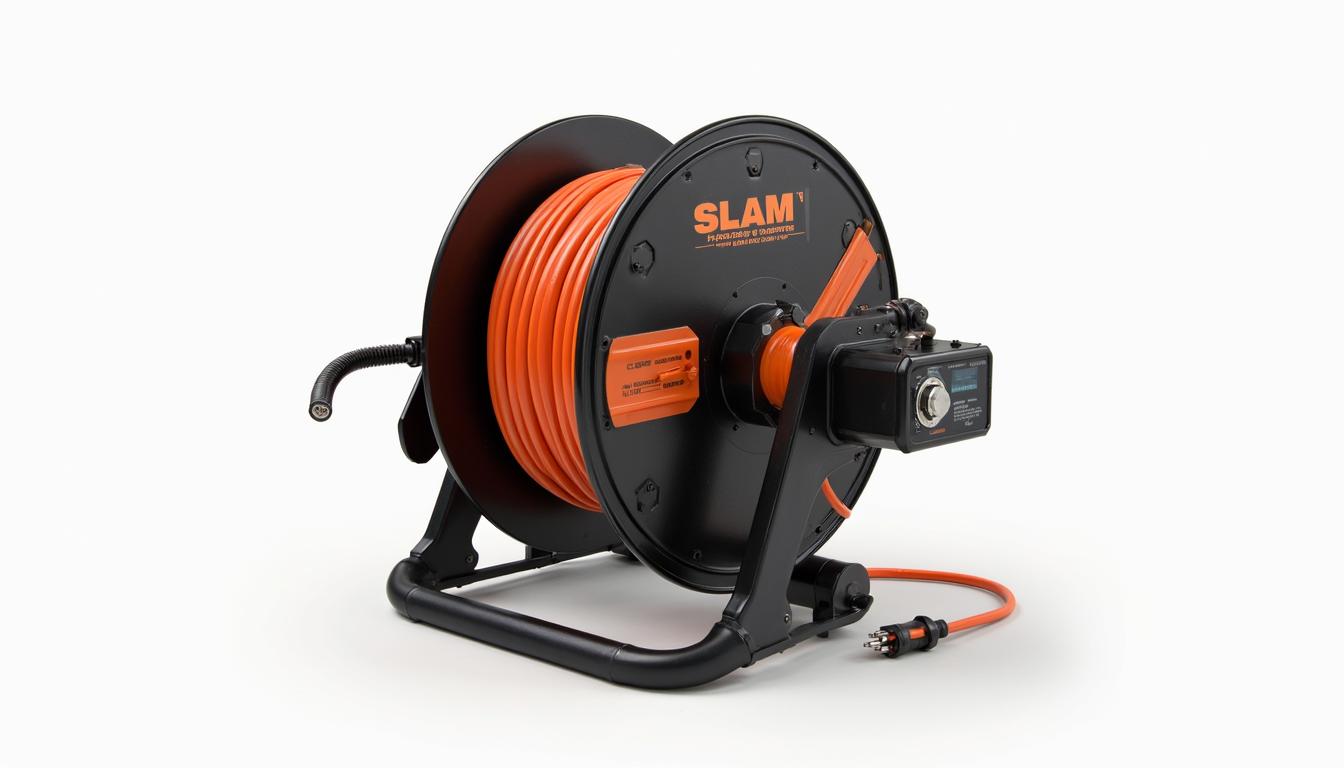
    The SLAM Cable Reel 16EX is a rugged, portable reel. It is ATEX/IECEx-certified and made to transmit low-voltage or mains power safely in explosive environments. The Atexor company made it, and its antistatic wheels make it easy to move. It brings tools, lights, and sensors to oil rigs, pipelines, chemical plants, and deep mines, among other places.

    It has a safety zone 1/21 rating, an IP66 rating for water protection, and a long reach (up to 80 m). This certified reel fills a critical need for workers who need a temporary power solution that they can count on to work in harsh industrial settings.

    Market & Competitive Overview

    As safety standards worldwide get tighter, more people want reels that can’t explode. Analysts predict that the market for mobile explosion-proof wire reels will be worth $500 million by 2025 and continue to grow at a 7% annual rate until 2033.

    Wolf Safety, Larson Electronics, Schneider Electric, and Stahl are some of the company’s main rivals. However, few competitors can match the SLAM Cable Reel 16EX‘s combination of Zone 1/21 approval, IP66 sealing, 16 A constant load, and configurable sockets.

    Its steel-and-aluminum frame and PUR-sheathed wire can handle more chemical and mechanical stress than many types with plastic housing. These help give it an edge in tough sea and petrochemical environments.

    Technical Specifications & Features

    Here is a quick list of things your site’s risk assessment looks at to decide if the reel is safe. Review each point so that the model you order matches up before release.

    Certifications & Safety:

    • ATEX marking: II 2 G Ex e d IIC T4 Gb; II 2 D Ex tb IIIC 120 °C Db (Zone 1 & 21)
    • IECEx equivalent approvals

    Electrical Options:

    • Supply voltages: 12, 24, 42, 110, 230 VAC/VDC
    • Max current: 16 A (Three 680 W @ 230 V)

    Cable Lengths & Formats:

    • Small reel: 15–50 m
    • Large reel: 50–80 m
    • Cable types: orange PUR H07BQ-F or yellow PUR&CY with metal braid

    Mechanical Design:

    • Housing: powder-coated steel & aluminium, antistatic wheels
    • Ingress protection: IP66 – dust-tight & protected against heavy seas
    • Operating –20 °C … +55 °C; weight 26.5 kg (50 m) / 44.5 kg (80 m)

    Usability Features:

    • 1 or 2 Ex-certified sockets (ATX, CEAG, Marechal, Stahl)
    • There is a locking drum brake that stops free-spooling.
    • An orange or yellow jacket that stands out for quick inspection

    Use Cases & Applications

    With the SLAM Cable Reel 16EX, mission-critical gear stays lit up even when set wiring isn’t possible:

    • Offshore Platforms: Lights on the deck, inspection cams, and hot-work tools for when the power goes out
    • Refineries and Petroleum Terminals: Running fans inside storage tanks to keep the air moving
    • Underground Mining: Putting shotcrete into pumps or gas monitors in areas with a lot of gas
    • Shipyards and Paint Booths: Running ATEX hand lights during limited space coating jobs in paint booths and ships
    • Emergency Response: ad hoc lighting and pumps after events in Zone 1 areas as part of emergency reaction

    In every case, techs can move around safely and reach up to 80 m without daisy-chain extension lines. This helps make things safer and faster to set up.

    Pros & Cons

    Here is a quick look at why the SLAM Cable Reel 16EX is better on tough sites, but also has some downsides that engineers should be aware of.

    Pros:

    • ATEX/IECEx Zone 1/21 approved, which means there will be no fire sources in gas or dust.
    • The IP66 metal shell can handle cleaning with high pressure, seawater, and chemicals.
    • With up to 80 m of PUR wire, fewer extension junctions and trip risks exist.
    • Two flexible Ex plugs let you power tools and lights from a single portable reel.
    • An antistatic wheel on a stable steel-aluminum frame makes it easy to move across grates.

    Cons:

    • It weighs between 26 and 44 kg, so two people on ladders must move it by hand.
    • It costs more initially than a regular commercial cable reel, but less over its lifetime.
    • Single-phase is all that is available. Three-phase crews require a different temporary power solution.
    • Every year, Ex checks are required, which adds a little downtime to upkeep plans.

    Buying Guide

    Choosing the right model is easier when you break it down into a few useful factors. Follow the steps below to make sure the reel meets the exact power and safety needs of your site:

    • Choose a short cable (less than 50 m) for workshops or tank openings. For rigs and pipes, choose a long cable (50–80 m).
    • Power level—match transformers on the job site (12/24 V for wet areas; 110 or 230 V for general tools).
    • Choose a type and number of sockets. ATX and CEAG plugs work with most EU plugs; choose a two-socket version to run lights and grinders simultaneously.
    • Ingress protection (IP66) ensures that the seal is dust-tight and can withstand strong water jets, which is essential for wash-downs.
    • What do the ATEX numbers mean? “II 2 G” means equipment for gas atmospheres in Zone 1, “Ex e d” means higher safety and flameproof housing, and “T4” means the highest temperature on the surface.

    If you match these factors, the cable reel you order will be ready to use according to area rules and the needs of your tools.

    Best Practices & Safety Tips

    Your SLAM Cable Reel 16EX needs regular maintenance to stay safe and legal in dangerous areas. Go through the following list before every deployment:

    • Before using, check the soundness of the wire sheath, the plug gaskets, and the drum brake.
    • Unspool the whole thing during high-load duty cycles to keep the coil from getting too hot during deployment.
    • When routing, ensure the wire is away from sharp points and corrosive liquids.
    • To clean, rinse with clean water, and avoid solvents damaging PUR jackets.
    • To store the drum, lock it, put it under a cover, and plug the sockets shut to keep IP66 intact.
    • Write down regular checks in your Ex logbook and only use OEM-approved spares to replace old parts for maintenance for your certification.

    If you follow these steps, the reel will keep its explosion-protection grade for as long as it is in use.

    Conclusion

    There is no doubt that the SLAM Cable Reel 16EX is the best ATEX-certified power reel for users who don’t want to skimp on safety, portability, or sturdiness. Teams are confident that they can work effectively in the world’s most dangerous areas thanks to their long-reach wire, IP66 construction, and removable plugs. To find out how the cable reel can power your next project, download the full specs sheet, ask for a price, or contact our sales engineers immediately.

    FAQs

    What does ATEX Zone 1/21 certification mean for the SLAM® Cable Reel 16EX?

    It says that the reel has been tried and cleared for environments with combustible dust (Zone 21) and explosive gas (Zone 1). It also says that the casings are flameproof and the wiring is more secure to avoid ignition.

    How long can the SLAM® Cable Reel 16EX cable be?

    The big one can hold up to 80 m of PUR or PUR&CY cable, and the little one can hold 15–50 m. This lets users find the right mix between length and weight.

    What voltage and current ratings are available for the 16EX?

    It supports 12, 24, 42, 110, and 230 V AC/DC supplies at up to 16 A, equating to three 680 W maximum loads on 230 V circuits.

    Can the cable reel be used outdoors in wet or dusty environments?

    Yes. Being able to withstand dust and high-pressure water jets is possible with an IP66 enclosure, which makes it ideal for wash-down areas and harsh weather.

    How many sockets does the SLAM® Cable Reel 16EX support?

    Buyers can choose to have one or two Ex-certified sockets (ATX, CEAG, Marechal, or Stahl) already fixed on the reel. This makes it easier to set up multiple tools.

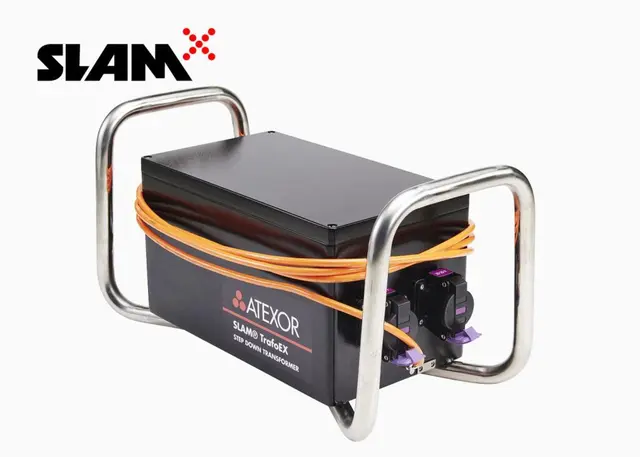
  • Explosion Proof Splitter Box – Atexor | Certified Solutions

    Explosion Proof Splitter Box – Atexor | Certified Solutions

    Introduction

    For electrical work in mines, chemical plants, and factories, you need tools that won’t cause a disaster. The safest way to send power is through an explosion-proof splitter box, which keeps the surfaces of live parts below the temperature at which gases or dust can catch fire. With dual ATEX and IECEx approval, Finnish-engineered sturdiness, and decades of field-proven dependability, the splitter box Atexor range takes this idea to a new level. Because of these things, Atexor is the world’s most trusted expert on distributing power in dangerous areas.

    What is an Explosion‑Proof Splitter Box?

    A splitterbox splits an incoming feed into several secured outputs. Sparks or high surface temperatures from regular units can release gas or dust clouds in dangerous areas. So, an explosion-proof splitter box protects live parts by enclosing them in strong, flame-resistant housings. It uses approved Ex plugs and glands and keeps the surface temperature below the point where it could catch fire.

    Low-voltage choices (24 V–230 V) and fully sealed IP66/IP67 enclosures for Zones 1 and 21 are available in the splitter box Atexor line. IEC 60079-10-1 states these zones are places where an explosive atmosphere is “likely to occur during normal activity.” Compared to regular boards, Atexor units are lighter and less likely to rust. They also keep their certifications even when the temperature outside is +55°C.

    Why Choose Atexor?

    Atexor combines a Scandinavian engineering style with decades of experience working in dangerous areas. These factors elevate the splitter box Atexor line to the status of an industry standard for approved power distribution.

    • Rugged Design: The IP66 sealing removes dust and water, and the soft-shell rubber frame handles drops.
    • Verified Compliance: The dual ATEX-IECEx and UKCA certificates cover Zones 1/21, immediately making testers happy.
    • Field-Proven: With no problems, a North Sea FPSO turnaround logged 1,600 man-hours on five units, cutting cable-laying time by 18%.
    • Industry Acclaim: HazardEx “Technical Innovation” 2024 has chosen the SLAM series as a finalist.
    • Lifetime Value: A 10-year parts program, Finnish build, and batch testing make sure that service is stable and customization is easy.

    That mix keeps projects safer, moves them faster, and stays well below budget.

    Certifications & Safety Standards

    With dual ATEX and IECEx approvals, every splitter box Atexor unit leaves the workshop safe to use in Zone-classified environments. It helps make sure that the installation goes smoothly and quickly. Global compliance paperwork is simple because the same explosion proof distribution box has marks from the UKCA and the EAC. Still, people must match scores to risks before turning on tools.

    • You can use a Zone 1 (gas) or Zone 21 (dust) license in Zones 2 and 22.
    • Check that the power distribution unit has the following markings: Ex II 2G/2D, class T4 ≤ 135°C, voltage, and current limits.
    • Keep conformity reports on site; auditors may ask for the original certificate numbers during safety checks.

    Dropping the rating is simple, but raising it could mean extra work, lost time, or fines.

    Key Features & Benefits

    Every splitter box Atexor makes is designed with the user in mind and uses high-quality materials. Here are some of the most important technical details and why they matter on-site:

    • GRP or 316 stainless enclosure – shells that don’t rust or corrode can handle poisons and salt spray for decades of use with little upkeep.
    • Modular and stackable layout – detented feet let teams connect multiple units, cutting down on wire runs and making temporary power sharing easier.
    • The box has IP66/IP67 ingress protection, which means it is dust-tight and water-resistant. It can withstand high-pressure wash-downs and rain floods without exposing any live parts.
    • Lighting up circuit breakers with simple LEDs lets you see their state at a glance, saving time and making workers feel safer and more confident.

    Together, they make the splitterbox a rigid, explosion proof distribution box that is known and trusted around the world.

    Use Cases & Industrial Applications

    From food production to overhauling petrochemicals, splitter box Atexor units are essential in high-risk fields:

    • Turnarounds in oil and gas: You can safely route power inside tanks, turbine cages, and scaffolding. One splitter can power four Ex lights and a gas detector, so you don’t have to use as many transformers.
    • Mining below ground: GRP housings are lighter than steel ones, so they are easier to handle and can handle rough dust better.
    • Spray-drying lines for pharmaceuticals: During batch changes, antistatic barriers keep cleanliness standards high and stop dust from igniting.
    • CIP shutdowns for food and drinks: Eleventh-vapor settings depend on the splitterbox to keep cleaning tools and sensors powered up without causing sparking problems.

    Installation & Maintenance Best Practices

    These tips will ensure that every Atexor splitterbox application is as safe, reliable, and legal as possible.

    • Check the zone match. Before entering a secret area, check the sign to ensure it says “Zone 1/21.”
    • Using approved plugs is best. Only Ex plugs that fit together properly keep the flame path in the container.
    • Apply torque to seals. To keep GRP threads from cracking, follow the manufacturer’s pressure tables.
    • Strain relief on the route. If you don’t want people to trip, hang the input lead on allowed hooks.
    • Serial numbers for documents. For audit trails, each machine comes with its certification report.

    Routine upkeep is pretty simple: look for damage to the casing, test the earth connection occasionally, and change the gasket every five years. Because the splitter box Atexor works as a power distribution unit, one check covers both functions, lowering the total cost of ownership.

    Buying Guide

    Four questions will help you pick the correct box:

    • Which area? Zones 0–20 require different equipment, while Zones 1–22 can use the splitter box Atexor.
    • Power and plugs? Match plug type (CEAG, ATX, etc.) and site power (24 V–230 V).
    • Conditions in the area? High-temp models can handle temperatures up to +55°C, and chemically potent poisons won’t hurt them.
    • Supplier’s good reputation? Look for repair spares and papers that are trackable. Atexor parts have warranties for 10 years.

    You can change the wire lengths, breaker curves, or container colors within the same ATEX file if a standard model doesn’t work. This way, you don’t have to pay much money for recertification. Instead of redesigning the whole system, buyers with non-Ex boards can get insurance approval faster by adding a certified explosion proof distribution box.

    Conclusion

    Picking the right explosion-proof power hub can mean the difference between having no downtime and paying a lot for downtime. On oil rigs, in mines, and across chemical lines, the splitter box Atexor range provides approved safety, tough durability, and plug-and-play ease. You can look at the datasheets, match models to your zone ratings, get a custom price, or talk to an Atexor expert. Protect crews and income with a system that works in the worst conditions.

    FAQs:

    Where can I use an Atexor explosion-proof splitter box safely?

    Any place classified as Zone 1 gas or Zone 21 dust, such as chemical mixers, grain bins, and offshore platforms.

    What makes Atexor’s explosion-proof splitter box different from standard splitter boxes?

    It has flame-proof housing, Ex plugs, and low-voltage generators in one unit. A third party has approved these parts for use in dangerous areas.

    Can I customize an explosion-proof splitter box for specific project needs?

    Yes, Atexor can make unique cable lengths, socket mixes, and even color coding, as long as they stay within the limits of current ATEX certificates.

    What maintenance does an explosion-proof splitter box require?

    The unit complies with the rules by getting regular eye checks, earth-continuity tests, and seal checks every five years.

    How long does an Atexor explosion-proof splitter box typically last?

    If you take good care of it, the design life is longer than 15 years, and many units are still in use after 20 years.

    Is the installation of an explosion-proof splitter box complicated?

    No, regular M6 hooks and Ex connectors make setup easy for workers who know what they’re doing.

    Can I retrofit an existing system with an explosion-proof splitter box?

    Most of the time, yes. You can meet compliance without rewiring the whole circuit by removing substandard boards with power distribution unit labeled Atexor boxes.

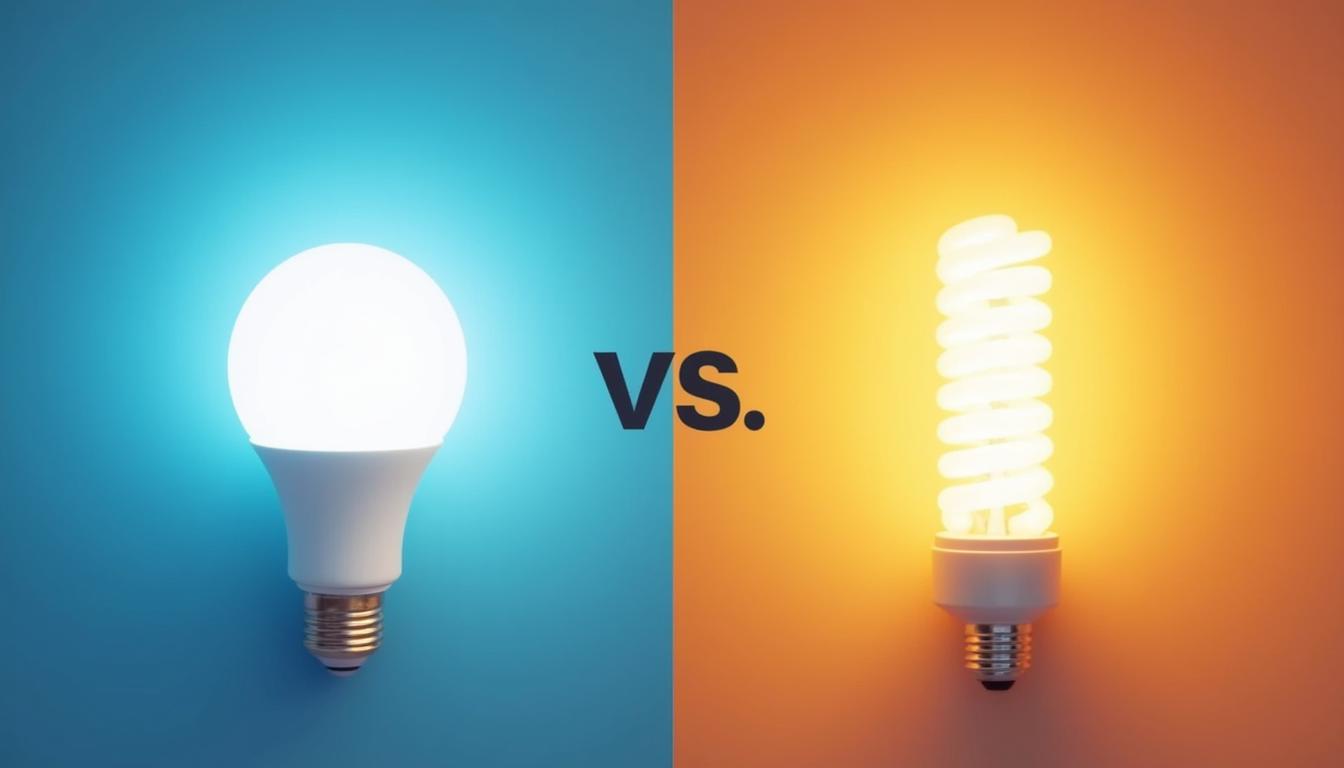
  • LED vs Fluorescent Lighting: Best Choice for Industrial Use

    LED vs Fluorescent Lighting: Best Choice for Industrial Use

    Introduction

    Good lighting is more than just a must in commercial areas. Instead, it’s an important part that impacts safety, efficiency, and business costs. Choosing the right lighting system is a smart move when there are significant places to light up and long hours.

    Many building managers today compare LED vs fluorescent lighting to determine which offers better efficiency, durability, and value. This piece goes into great detail about both choices so businesses can make informed decisions. So, read on!

    What is LED Lighting?

    To fully understand the benefits, it is first necessary to ask: What is LED lighting? A light-emitting diode, or LED, is a type of semiconductor that gives off light when electricity flows through it. Electroluminescence is how LEDs make light, not filaments like regular lamps. It saves energy and makes them last a long time. Their durability and flexibility have made them very popular in industry settings.

    LED Lighting Advantages

    When comparing LED vs fluorescent lighting, LEDs clearly have the following benefits:

    • Less Energy Use: LEDs use as little as 75% less energy than fluorescents.
    • Lower Heat Emission: Great for places that need to keep a steady temperature.
    • Durability: It can handle shocks and vibrations, making it great for areas with a lot of activity.
    • Friendly to the Environment: They are reusable and don’t contain mercury.
    • Directional Light: Directional light provides direct, uniform light distribution without the need for reflectors.
    • High CRI: It means a better colour rendering index, which makes things easier to see and lessens eye strain in workplaces.

    Because of these LED lighting advantages, overhead costs decrease, and working conditions improve.

    Lifespan of LED Lighting

    A central selling point is the long lifespan of LED lights. Industrial-grade LED lights usually last between 50,000 and 100,000 hours, while gas lights only last 10,000 to 30,000 hours.

    Longevity means fewer backups, lower labor costs, and little downtime for business. If a plant that is open 24 hours a day, 7 days a week, cuts down on repair cycles, it could save a lot of money over five years.

    How to Choose LED Lighting

    You need to know how to choose LED lights to get the most out of your investment. Take a look at this short list:

    • Lumens: Instead of focusing on watts, look at lumens, which measure how bright something is.
    • CRI Rating: Aim for a good color rendering index for clear vision.
    • IP Rating: With an IP grade, you can be sure that the device will work in wet or outdoor conditions.
    • Tests: Look for tests done by BIS, RoHS, or IEC.
    • Ballast Compatibility: If you are upgrading, ensure that the fixture works with your current ballast or that you can safely ignore it.
    • Even Lighting: This is important for significant areas to avoid shadows.

    What is Fluorescent Lighting?

    As a fair comparison, we must also ask: What is fluorescent lighting? In gas-discharge tubes, electricity excites mercury vapor, which makes UV light. A fluorescent covering then changes this into light that we can see.

    CFLs (Compact Fluorescent Lamps) and linear fluorescents (T5, T8, T12) are two common types. They’ve been popular in the past because they were cheap and used energy efficiently. Most of the time, they come in handy in office buildings, stores, and factories.

    Advantages of Fluorescent Lighting

    Fluorescent lighting is being taken out in many places, but it can still be helpful in some situations:

    • Less Expensive at First: Perfect for projects that don’t have a lot of money.
    • Availability to Many People: It is easy to find repairs or parts.
    • Good Levels of Brightness: Especially in long, straight lines for big spaces.
    • Even Spread of Light: They provide adequate uniform light distribution in general-purpose settings.

    Their ballast compatibility must be checked often, though, and they flicker or worsen over time.

    Difference Between LED and Fluorescent Lighting

    Industrial decision-makers can choose the best option by knowing the main differences between LED and fluorescent lighting. Here is a thorough comparison based on some essential factors:

    Feature

    LED Lighting

    Fluorescent Lighting

    Energy Efficiency

    High

    Moderate

    Lifespan

    50,000–100,000 hours

    10,000–30,000 hours

    Maintenance

    Low

    High (due to replacements)

    Initial Cost

    Higher

    Lower

    Long-Term Cost

    More economical

    Costlier over time

    Environmental Impact

    Low (no mercury, recyclable)

    High (contains mercury)

    Light Quality

    High CRI, no flicker

    Lower CRI, flickers with age

    Temperature Sensitivity

    Performs well in all temps

    May dim or fail in cold areas

    Which is Better – Fluorescent or LED?

    LEDs are clearly the better option for most industry applications when comparing LED vs fluorescent lighting. Even though they cost more upfront, they are better for demanding places like factories, stores, and processing plants because they last longer, have lower running costs, and work well in various temperatures.

    Real-life examples back this up. By replacing 500 fluorescent light fixtures with LEDs, a shipping center cut its energy use by 60%, cut down on upkeep time, and made workers safer by providing better lighting.

    When to use LED and Fluorescent Lighting

    There are still times and places for both types of lighting, based on the task, the setting, and the cash.

    When to Use LED Lighting:

    • Facilities running 24/7.
    • With high ceilings, you need lights with a lot of power.
    • Places with very high or very low temperatures.
    • Sites that want to cut down on their carbon footprint.
    • Uses that need a high color rendering index.
    • Uniform light distribution is essential in these projects.

    When to Use Fluorescent Lighting:

    • Setups for short-term or temporary businesses.
    • Projects with small funds at the start.
    • Places that are only open during certain hours.
    • Places where upgrading is not possible because the equipment is already there.

    Conclusion

    Picking the right lights is an essential choice for any commercial building. LEDs are the clear winner when considering LED vs fluorescent lighting because they use less energy, require less upkeep, and work better. Fluorescent lights may still be helpful in some situations, but LED lights are the better long-term choice for most workplace settings, especially if you choose them carefully.

    FAQs:

    • Can I mix LED and fluorescent lights in the same industrial space?

    Yes, but for your own comfort, it’s best to keep the color temperature and light quality the same. It may also depend on the fixings and ballasts used.

    • Are LED lights affected by frequent switching on and off?

    Frequent flipping doesn’t affect LEDs like it does fluorescents. It makes them perfect for places with motion sensors or desks used only sometimes.

    • Can upgrading to LED lighting increase the resale value of an industrial facility?

    Yes. People think of LED updates as energy-efficient improvements that can raise the value of a home by lowering its future operating costs.

    • Which is more cost-effective in the long term: LED vs fluorescent lighting?

    LED lighting is more cost-effective because it uses less energy, needs fewer repairs, and doesn’t need as much upkeep.

    • How does LED vs fluorescent lighting affect electricity bills in industrial settings?

    LEDs use much less power, which means that your energy bills will go down greatly over time.

    • Can I replace fluorescent tubes with LEDs easily?

    Yes, many LED tubes can be used in old light fixtures. On the other hand, some setups may need to be checked for ballast compatibility and rewired.

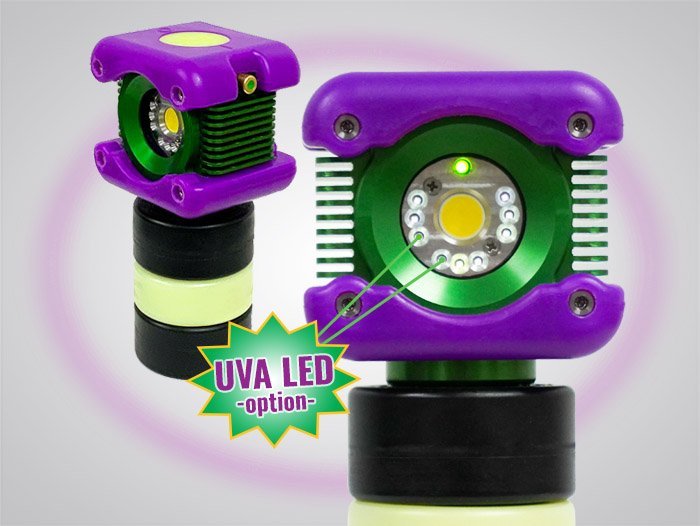
  • UVA Inspection Explosion-proof Handlamp | Safe & Durable Lighting

    UVA Inspection Explosion-proof Handlamp | Safe & Durable Lighting

    Introduction

    Having the right lighting tools can save lives in places where safety is crucial and sight is essential. A UVA inspection explosion-proof hand lamp is a specialised type of portable light. It is used in dangerous areas with flammable dust or fumes that can explode. The engineers behind these lamps ensured that they lit up without posing a fire risk. In high-risk fields, this makes them a necessary tool.

    Find out what makes these handlamps unique, why they’re necessary for some jobs, and how to pick the right one for your needs and keep it in good shape. We’ll also discuss how UVA light enhances the accuracy of inspections and how these lamps are beneficial in real-world applications.

    Understanding Explosion-proof Handlamps

    If you need to light up a room without a risk of explosion, you can use an explosion-proof hand lamp. The design of these lamps keeps sparks or flames inside so that dangerous gases, vapours, or dust can’t catch fire. They usually come in tough, impact-resistant cases and have sealed switches and parts to keep them from catching fire.

    For these lamps to be explosion-proof, they must meet strict worldwide safety standards. Look for essential certifications like:

    • ATEX (ATmosphères EXplosibles): European certification for gear used in dangerous environments.
    • IECEx: International certification that ensures goods meet safety standards worldwide for dangerous places.
    • Class I Division 1: A classification used in North America for tools that can be used where flammable gases or fumes are usually present.

    Why Explosion-Proof Handlamps Are Essential

    Being safe in dangerous places isn’t a choice; it’s the law and the right thing to do. A worker in a hazardous environment, such as a chemical plant, an oil refinery, or a grain bin, can perform their duties without worrying about setting off a massive explosion thanks to an explosion-proof hand lamp.

    These lamps help keep operations going and prevent accidents from happening caused by:

    • Setting flammable air or dust on fire
    • Electrical sparks cause equipment to break down
    • Breaking the rules for job safety

    Companies also avoid expensive legal problems when they use approved lighting equipment. So they can show that they care about following safety rules and the health and safety of their employees.

    The Role of UVA Light in Inspection

    Blacklight, also known as UVA light, is a type of ultraviolet light with a wavelength of 365 nm. It works really well for non-destructive testing (NDT). It helps identify flaws that are not visible to the naked eye. For example, liquid penetrant or magnetic particle checks use bright dyes that glow under UVA light. These make cracks, even tiny ones, stand out.

    The following industries use UVA-based testing tools:

    • Aerospace: Detecting fatigue cracks in aircraft components
    • Oil & Gas: Locating pipeline leaks or structural flaws
    • Manufacturing: Ensuring weld quality and surface integrity

    It is possible to perform safe and accurate checks using an NDT UV lamp, even in the most hazardous environments.

    Key Features of UVA Inspection Explosion-proof Handlamps

    Consider the following essential characteristics when choosing a UVA inspection explosion-proof hand lamp:

    • 365 nm UV Lamp: Supports clear viewing of bright signs during checks.
    • Explosion-Proof Housing: Built to last in harsh conditions, usually made of metal or polymer that doesn’t rust.
    • Battery Options: Rechargeable or changeable batteries that last a long time and charge quickly.
    • Ingress Protection (IP) Rating: IP66 or higher for dust and water resistance.
    • Compliance: Must be certified to ATEX, IECEx, or Class I Division 1 standards.
    • Ergonomic Design: It’s easy to carry, doesn’t slip, and is lightweight for long-term use in the field.
    • Beam Control: Adjustable focus or flood beam for close inspection.

    All of these features make the checking tool safe, reliable, and valuable for professionals who work in harsh conditions.

    Benefits of Using UVA Explosion-proof Handlamps for Inspections

    There are many practical and safety benefits to using a UVA inspection explosion-proof hand lamp, such as:

    • Enhanced Detection: Accurately identifies tiny cracks, leaks, and other issues.
    • Reduced Downtime: Conducting quick checks allows for faster fixes and minimises downtime.
    • Worker Safety: Keeps the fuel from starting by mistake and makes it easier to see in low-light areas.
    • Regulatory Compliance: Hazardous location lighting complies with strict safety standards.
    • Versatility: Designed to work in both small and large workplace areas.

    Because of these benefits, inspection teams that want to maintain high safety and quality standards can’t do without them.

    How to Use an Explosion-proof Handlamp

    One should follow the following procedures to use an explosion-proof hand lamp effectively and adequately:

    • Pre-Inspection: Check the lamp case for any damage. All seals and connections should be in good condition. Check the UV radiation and battery power.
    • PPE and Setup: Ensure you wear the proper personal safety equipment (PPE), including UV-protective goggles. Find the zone rating and ensure the lamp is approved for that place.
    • Operation: Turn on the lamp only in the areas marked as safe. Please don’t place the lamp near open fires or tools that are incompatible with it. Inspect while keeping your distance from the light constant and your moving steady.
    • Post-Use: Turn off the lamp and store it in a cool, dry, and dust-free location. As needed, charge the batteries or get new ones.

    Using the gadget correctly ensures safety and prolongs its lifespan.

    Best Practices for Using and Maintaining Explosion-proof UVA Handlamps

    You must regularly upkeep and handle things carefully to get the most out of speed and durability. When using explosion-proof UV light lamps, keep these guidelines in mind:

    • Routine Inspection: Look for cracks, rust, or seals that aren’t working right. Check UV intensity often.
    • Battery Care: Do not fully discharge the battery. Use the chargers and batteries that came with the device, as recommended by the manufacturer.
    • Safe Storage: Keep in a case that won’t break easily. Please keep it away from direct heat and water.
    • Training and SOPsEnsure that everyone who will use the explosion-proof hand lamp has received proper training. For regular use, make a standard operating procedure (SOP).

    By following these tips, you can reduce downtime, maintain a constant UV output, and keep workers safe in hazardous locations with poor lighting.

    Real-world Applications & Case Studies

    Real-world situations have shown how vital explosion-proof UVA handlamps are:

    • Oil refineries can be used to detect leaks in pipes under pressure. Many inspectors at large refineries claim that the lamp enables them to detect a microfracture in under two minutes.
    • Chemical Processing Plants: They can be utilised to inspect valve joints when visibility is limited.
    • Aircraft Hangars: During C-check inspections, maintenance teams use an NDT UV lamp to find minor structural flaws.
    • Mining Sites: These handlamps help keep structures safe and operations running smoothly in deep caves where hazardous gases can accumulate.

    These real-life cases show their reliability, even when things get tough.

    Conclusion

    Today, an explosion-proof UV light serves more purposes than just being a tool. It’s an essential part of an effective inspection plan that works well and safely in hazardous environments. Because they can stop sparks and make it easier to identify problems, these lamps serve as guardians and guides for people working in hazardous environments.

    If you need a lamp, look for approved models with strong features that work reliably. Always use and maintain things correctly to ensure they last a long time and are safe.

    Do the smart thing if you’re working in a dangerous area. If you want to value safety without sacrificing efficiency, buy a certified explosion-proof hand lamp.

  • What are floodlights? Types, uses, & buying guide

    What are floodlights? Types, uses, & buying guide

    Introduction

    Over time, lighting equipment units and arrangements have undergone significant evolution. LEDs have replaced the conventional CFL lamps. Sensors now enable the automatic operation of various lighting infrastructures, ensuring eco-friendliness and optimised energy consumption. Floodlights also belong to this new generation of light sources. Unlike the regular ones found in the market, these are designed for broad-scale illumination. That’s why you will find them used primarily on sports stadiums, event venues, construction sites, and residential parks. 

    What is a floodlight?

    From the above description, you do have a brief idea about what floodlights are. However, let us provide you with a deeper insight to enhance your understanding. These are broad-beamed artificial lights that can illuminate both large indoor and outdoor areas. Their arrangements are meticulously planned to ensure that all the lamps combinedly can cast a wide beam with high intensity. Hence, visibility is significantly enhanced. 

    How do floodlights work?

    Engineered optics and powerful light sources come together to make the floodlights functional. Here’s a brief of their working mechanisms. 

    1. Right at the core, you will find a bulb with extremely high lumens compared to other lighting systems. It can be a halogen lamp, an LED light, or a metal halide lamp. Its prime function is to ensure the light rays emitted are intense and strong. 
    2. A reflector is placed right at the path of the beam, usually made up of polished aluminium. It creates an enclosure around the bulb, allowing all light rays to be incident directly on its surface. Thanks to the reflecting properties, it amplifies and directs the beam outwards. 
    3. To create more divergence and give a funnel shape to the reflected light rays, a diffuser or lens will be placed. It adjusts the beam angle to ensure an even and consistent illumination. 

    In modern-day floodlights, built-in cooling systems or heat sinks are added. These distribute the heat energy generated from the bulb, ensuring maximum longevity and less power consumption. 

    Types of floodlights

    Solar 

    Whether it’s to create a remote lighting infrastructure or illuminate parks and gardens, solar lights are your go-to option. Reinforced with multiple photovoltaic panels, these capture and convert the solar energy into electricity throughout the day. This is then used to charge the internal battery, which ultimately helps illuminate the area during nighttime. Most solar lights can be controlled remotely, using intelligent systems, thereby allowing automatic switch-on and off operations. 

    LED

    Most modern-day floodlights come with an LED bulb inside. It is known for its exceptionally high longevity, as premium-quality products often last for years to come. To top it off, the semiconductor circuits used inside don’t consume too much electricity, even when used for long hours. Thanks to the even and brighter illumination, these types of floodlights can be used across residential, commercial, and industrial areas. 

    Halogen

    These come with a tungsten filament and a halogen gaseous mixture inside the enclosure. When power is applied across the terminals, the gas molecules vibrate, producing warm, bright light. Although they are less energy efficient compared to LEDs, they offer a stellar colour rendering property. Due to this, they can be used for temporary setups in residential and commercial sectors, where the initial upfront costs will be low. 

    HID

    Known as High Intensity Discharge lights, these variants are equipped with metal halide and extremely powerful sodium lamps. They have comparatively high lumen output, meaning the light rays emitted are pretty bright. However, they require more warm-up time and are less energy-efficient compared to LEDs. Due to this, they are primarily used in industrial complexes, sports arenas, and large outdoor areas where bright illumination is the top priority. 

    Common applications of floodlights

    Now that we have discussed what floodlights are, let’s have a quick look at their applications to get a clearer picture. With this, you can instantly decide whether these will suffice your requirements or not. 

    1. They illuminate driveways, entry points, and large-scale perimeters to deter trespassers. To top it off, they also improve the visibility for surveillance cameras. 
    2. Halogens and HIDs are often used at various outdoor events, such as fairs, concerts, and festivals. They generate bright beams to ensure the safety of the vast crowds and maintain proper visibility of the podiums. 
    3. When positioned at right angles, these emit high-intensity beams with wider angles, ideal for sports arenas, fields, and stadiums. Hence, players and the audience won’t have to worry about nighttime visibility. 
    4. High-intensity discharge setups can be found chiefly in factories, construction sites, warehouses, and other industrial areas. They guarantee workplace safety, even in low-light conditions. 
    5. LED and halogen floodlights of different colours can be used to make the architectural features appear more prominent to the onlookers. 

    Benefits of using floodlights

    1. Outdoor areas, such as parking lots and construction sites, have almost negligible visibility, especially after sunset. That’s why floodlights are often used because they are capable of creating broad-scale illumination with high intensity. 
    2. Solar and LED variants are known for extended operational lifetime. They do not need repairs or replacements too often. What’s more, you can significantly cut down the maintenance costs, thanks to the modern electrical circuits used. 
    3. CCTV and surveillance systems can function better. It becomes easier to monitor the perimeters and prevent vandalism or theft with floodlights, all thanks to their bright illumination.
    4. Most products come with a durable, weather-resistant housing. Hence, they won’t suffer from any damage or misfiring circuit when exposed to the external environment. 
    5. Unlike traditional lights, LED and solar variants consume much less power. As a result, you will achieve excellent brightness at a minimal cost, thanks to reduced utility bills. 
    6. Modern floodlights do not require warm-up time. In other words, they can light up the areas instantly once switched on. 

    Factors to consider when choosing floodlights

    Worried about not making the right selection? Here’s what you need to look for to get the best floodlights. 

    1. The lumen rating should align with the area to be illuminated. The larger the space to be lit up, the higher the lumen output.
    2. Wider beam angles will help illuminate larger areas and vice versa.
    3. You can choose floodlights based on the power source available. Options include solar, electric, and battery-powered. 
    4. Minimal energy consumption is only possible with the LED variants. 
    5. Check the colour temperature to set the right mood and maintain enough visibility in the surroundings. 
    6. Floodlights with poles and brackets offer flexibility in installation. 

    Comparison of floodlight types

    Type

    Efficiency

    Common uses

    Lifespan

    Initial cost

    LED

    Very high, 80% to 90%

    Outdoor security, sports arenas, residential perimeters

    30,000 to 50,000 hours

    Moderate to high

    Halogen

    Low, 20% to 30%

    Indoor events and temporary setups

    2,000 to 4,000 hours

    Low

    HID

    Medium, 40% to 60%

    Sports fields, industrial complexes

    10,000 to 24,000 hours

    Moderate

    Solar

    High, 60% to 80%

    Remote locations, gardens, parks

    15,000 to 30,000 hours

    Moderate 


    Pros and cons of floodlights

    Pros

    • Wide area coverage 
    • Highly durable with weatherproof and anti-corrosive housing
    • High brightness for low-light conditions
    • Instant lighting with minimal to no warm-up time

    Cons 

    • High upfront costs for solar and LED variants
    • Complex setup
    • Light pollution
    • High heat generation

    Installation of floodlights: The best practices to be considered

    1. All the lights need to be placed at an elevated point so as to reduce the glare and maximise the area coverage.
    2. An appropriate lumen rating will ensure minimal light pollution and no excessive brightness, which would otherwise interfere with visibility.
    3. Tilting the light at a 45-degree angle in the downward direction will prevent light spill and direct glare. 
    4. When it needs to be installed outdoors, the wiring should be weatherproof and IP65 certified or higher. 
    5. The floodlights’ power wattage should be less than the maximum voltage threshold of the source. This will prevent circuit overloading. 

    Conclusion 

    Floodlights may appear larger than traditional ones, but their brightness and wide beam angles make them the clear winner in this comparison. Their versatility has expanded the applications to include residential, commercial, and industrial purposes. However, you must ensure that the products you choose have the correct lumen rating, consume less electricity, and can last for a long time. Only then can you ensure the maximum return on your investment. 

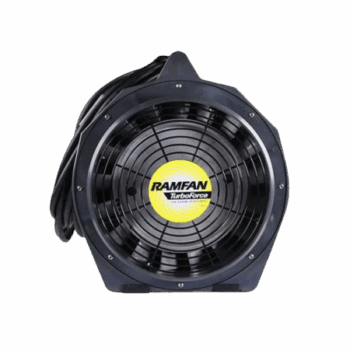
  • RAMFAN EFI75XX Review: Explosion-Proof Ventilator Guide

    RAMFAN EFI75XX Review: Explosion-Proof Ventilator Guide

    Why is RAMFAN EFI75XX a game changer for hazardous ventilation? 

    Whether it’s an oil refinery or a chemical plant, ventilation is one of the most crucial physical parameters. It requires constant monitoring so that the heat generated from different equipment units won’t cause an explosion. There are several ventilation standards used across numerous industries, with blowers being the most preferred. These regulate airflow speed through ducts, vents, and pipes by altering the pressure. Any type of fume or gaseous mixture can be removed by placing a blower at an appropriate angle and height. 

    While the market is flooded with countless products, RAMFAN EFI75XX has successfully grabbed the limelight since its launch. Standing testament to premium-quality craftsmanship, it is reinforced with advanced mechanical and safety components. Be it a chemical plant or a crop silo, it ensures the hazardous gases can be eliminated from the indoors. What’s more, its built is explosion-proof, meaning it won’t succumb to high ambient temperatures and increase workplace risks. 

    What sets the RAMFAN EFI75XX apart from standard blowers?

    Finding the best explosion-proof exhaust fan is a cumbersome job, especially as sometimes, the claims sound too good to be true. But that’s not the case with EFI75XX. Here’s why!

    1. Superior airflow: It comes with an air delivery power of 2,500 CFM. That’s why high-powered ventilation is possible even in small, confined spaces having multiple sharp bends and ducts. 
    2. Explosion-proof design: The RAMFAN EFI75XX is engineered to meet the safety standards in hazardous industrial environments. Its build is compliant with ATEX and Zone 1 requirements, ensuring a safer ventilation setup. 
    3. Rugged construction: The model is reinforced with a PC/ABC housing. Its specialty lies in features like flame retardant and chemical resistance. Owing to these, it can resist high temperatures and physical impacts. 
    4. Integrated safety features: Different features have been added to the model to make it a safer choice for hazardous environments. These include a weatherproof power switch, thermal overload protection, and IP55 ingress protection. 
    5. TEFP motor: The Totally Enclosed FlameProof motor delivers continuous duty performance, even in volatile conditions. 

    RAMFAN EFI75XX: Key features built for safety and performance

    1. This explosion-proof exhaust fan is designed to meet ATEX and IECEx compliance standards. Hence, it can be used at Class I, Division 1 hazardous locations easily. 
    2. The PC/ABC housing features anti-static properties. Hence, the blower can resist dents, flames, and harsh chemicals. In addition, it also offers higher performance reliability in versatile industrial conditions. 
    3. Thanks to the powerful 2,500 CFM airflow configuration, it can maintain ventilation at optimal levels in confined spaces. 
    4. The RAMFAN EFI75XX is designed to deliver efficient performance for long length ducts having sharp or multiple bends. 
    5. To take the safety feature to the next level, the EFI75XX is equipped with a TEFP motor. It prevents the ignition sources from escaping the housing, ensuring a reliable and safer work environment. 
    6. The built-in thermal cutoff switch will automatically disconnect the blower’s power source. It will help prevent any type of accident due to overheating. 
    7. Thanks to the IP55 rating, this blower is suitable for outdoor use. It can withstand prolonged exposure to dust ingress and water jets. 

    Technical specifications that matter on the job site

    A quick heads-up, here are the technical specifications of the all-rounder RAMFAN EFI75XX

    • Motor type: 0.75 hp TEFP motor
    • Power options: Available in both 115V and 230V configurations
    • Airflow:
      • 2,500 CFM for free air
      • 1664 CFM for 15’ duct with one 90-degree turn
      • 1529 CFM for 15’ duct with two 90-degree turns
    • Certifications:
      • Class I, Division 1
      • ATEX Zone, INMETRO, IECEx, and CE Marked
    • Dimensions: Compact and stackable with a size of 16” X 15” X 16”
    • Noise level: 89 dB at 3 feet
    • Weight: 20 kilograms

    Where the EFI75XX excels: Real-world applications

    This ATEX certified blower is designed for versatile industrial use cases, including: 

    1. It can deliver an exceptional airflow in confined spaces, without compromising safety. That’s why it’s suitable for ventilation in ship holds, manholes, and tunnels. 
    2. Thanks to the C1D1 and ATEX certifications, it can be used in different industrial settings with hazardous chemicals in use. 
    3. The blower also allows a safer work environment in tanks, especially during maintenance and degassing routines.
    4. Air quality is maintained at optimal levels in areas where volatile chemicals are handled and processed. 
    5. It also provides continuous and efficient ventilation at oil rigs and refineries. 
    6. Emergency rescue teams often use this RAMFAN EFI75XX blower to eliminate toxic fumes and flames from accident sites. 

    Why choose RAMFAN over other ventilator brands?

    The RAMFAN EFI75XX offers reliable and efficient performance in hazardous industrial situations where other blowers fall short. Its unmatched features and premium construction make it perfect for versatile use cases, including rescue operations, oil refining and distillation, and even tank maintenance. Certifications like C1D1 and ATEX make it a trusted choice amongst different industries for critical and explosion-risk operations. What’s more, the flame-retardant housing and high CFM output allow easy ventilation in long ducts with multiple, sharp bends. 

    Fast setup, safe operation: Using the EFI75XX on-site

    Worried about installing this explosion-proof exhaust fan? Here’s what you need to follow!

    1. A well-ventilated area and a flat surface will be necessary. Place the blower on it, ensuring it’s stable.
    2. Now attach the anti-static ducts with the help of the integrated dual adapters. Check if the connections are stable and tight, as that will ensure no airflow loss. 
    3. Plug it into a compatible power source, depending on the configuration. 
    4. Activate the weather-sealed power switch beforehand. 
    5. Position it in a way that, once switched on, it can push out the air from the hazardous zone. 

    Maintenance tips to maximise ventilator lifespan

    • Use a damp cloth to clean the blower regularly. It will help you remove dust buildup, residues, and debris easily. 
    • Always check the impeller for any signs of early wear, buildup, or cracks. Otherwise, these damages can impact the airflow efficiency. 
    • Listen for any unusual sound coming from the motor. Sometimes, debris can get stuck in the fan blades or the rotor, posing a huge threat to the physical performance. 
    • Any type of frayed or damaged power cord or the weatherproof power switch should be replaced as soon as the issue is detected. 

    Final thoughts: Is the EFI75XX the right fit for you?

    The RAMFAN EFI75XX is a premium-built blower, suitable for various hazardous industrial situations. Whether it’s the oil refinery or the enclosed chemical tanks, it can deliver efficient ventilation with ease. The powerful flame-retardant motor, thermal overloading protection switch, weatherproof ducting, and ATEX and C1D1 certifications place it apart from the traditional blowers. So, waste no time and get your hands on this explosion-proof exhaust fan.

    FAQs

    Is the RAMFAN EFI75XX certified for use in explosive environments?

    Thanks to the anti-static housing and the flame-retardant motor, it is considered a much safer option for ATEX Zone 1, Class I, Division 1, and IECEx environments. 

    What are the available power options for the EFI75XX?

    Single-phase models are available in the market. These are compatible with both 115V and 230V electrical infrastructures. In addition, they can operate seamlessly with 50 and 60 Hz frequencies without causing any friction or fluctuations.

    Can the EFI75XX be used in wet or corrosive environments?

    Unlike the traditional industrial blowers, the RAMFAN EFI75XX is designed with an IP55-rated enclosure. This allows the exhaust fan to be exposed to dust ingress and water jets for prolonged hours. Hence, it won’t suffer from corrosion or any type of mechanical damage. 

    How much airflow does the EFI75XX produce?

    With the powerful TEFP motor and the impeller system, the RAMFAN EFI75XX blower can maintain an airflow delivery of 2,500 CFM in free air. For ducts having 15’ length and sharp right-angle turns, the airflow is superior, at a value of 1529 CFM.

    What size ducting is compatible with the EFI75XX?

    30 cm ducting is suitable for the EFI75XX industrial blower, thanks to the integrated duct adapters. No special reinforcement will be necessary during the installation.

    What makes this model different from regular industrial fans?

    Several attributes contribute to the stellar performance delivery of the RAMFAN EFI75XX over other industrial blowers. These include high airflow, explosion-proof housing, chemical-resistant build, and rugged construction. 

  • Temperature classification for hazardous areas: A comprehensive guide

    Any environment having a medium to high risk of fire or explosion due to various external parameters can be considered hazardous. The parameters often include dust ingress, overheating, accumulation of chemical vapours, electric sparks, and many more. As a result, every such environment will require thorough planning, operation, and construction of equipment setups and infrastructure to minimise the risks. 

    This is where temperature classification for hazardous areas comes into play! It allows industries to choose the right mechanical and electrical infrastructures that won’t cause ignition in a combustible environment. Every equipment unit designed to operate in such atmospheres should be properly tested and certified. Only then can the risks of sparks, ignition sources, and gas explosion be mitigated. 

    Classification

    Most hazardous environments are classified into two major zones, depending on the type of explosive components and the duration of their existence. Below, we provide a brief explanation of these two zones to enhance your understanding. 

    Zone 0, 1, 2 (Gases)

    These areas leverage gas classification to determine the likelihood and duration of the presence of any flammable chemical vapour. 

    1. Zone 0: Explosive gases are present continuously and for longer periods. Examples include chemical reactors and petroleum refinery tanks.
    2. Zone 1: Explosive gases are most likely to be present during regular operations, like open processing vessels and the surrounding areas of fuel pumps.
    3. Zone 2: These areas do not have explosive gases during normal operations. Even if the chemicals are present, their duration won’t be too long. Examples include ventilation systems in chemical plants. 

    Zone 21, 22, 23 (Dusts)

    Areas where flammable dusts can be found are at greater risk of explosions, especially due to the prolonged suspension state of the micro particles. The following are the detailed classifications. 

    1. Zone 20: Hoppers, insides of silos, and mixers in sugar refineries can be classified into this zone since combustible dust particles remain suspended in the air for prolonged hours. 
    2. Zone 21: These areas are likely to see a dust cloud during normal operations, like during the transfer of any powdered material from one place to another. 
    3. Zone 22: Dust clouds are less likely to form, and even if they do, persistence will be for a short while only. Examples include the surrounding regions of a conveyor belt. 

    Standards

    Different industrial safety standards have been put in place to ensure safety, compliance, and consistency across industries dealing with hazardous environments.  

    ATEX Directive

    Stated by the French ATmosphères EXplosibles, the ATEX Directive is a European safety standard for equipment construction meant to be used in hazardous environments. 

    1. Scope: Two directives are launched, namely ATEX 2014/34/EU for equipment safety and ATEX 1999/92/EU for workplace safety. These outline the designing, testing, and marking of different systems to be used, and employee guidance as well.
    2. ATEX ensures that all the equipment units sold undergo conformity assessments and follow proper labelling standards. 

    IECEx system

    Commissioned by the International Electrochemical Commission (IEC), these standards lay out guidelines for the manufacturing of different equipment systems for hazardous areas. 

    1. Scope: manufacturers receive a standard certification process, ensuring better cross-border acceptance and trade of equipment units. 
    2. It involves direct testing and audits of all manufactured systems. Hence, industries can have better traceability and transparency about the equipment units they purchase. 

    What is temperature classification(T-class)?

    T-Class or temperature classification for hazardous area is a safety metric used to ensure the equipment units don’t become an ignition source under any condition. Every equipment designed has a specific surface temperature threshold that cannot be crossed during fault and regular operations. Whenever chemical gases and dust ingress are present in the air, equipment temperatures are monitored closely to ensure they do not cross the threshold.

    T-Class ratings explained

    Every equipment unit is labeled with a T-Class rating during the manufacturing process. It determines the maximum surface temperature that can be allowed without creating any risk of explosion when used in a hazardous environment. There are six different grades of T-Class as explained below. 

    1. T1: Maximum allowable surface temperature is 450°C (E.g.: Methane)
    2. T2: Maximum allowable temperature for the equipment surface is 300°C (E.g.: Ethylene)
    3. T3: Max surface temperature during normal operations is 200°C (E.g., gas and chemical sectors)
    4. T4: 135 °C is the allowable surface temperature that can be attained (E.g., Solvents like acetaldehyde)
    5. T5: Maximum allowable surface temperature is 100°C (E.g: carbon disulphide)
    6. T6: 85°C is the maximum temperature that can be handled (E.g., highly sensitive environments like hydrogen)

    Auto ignition temperature (AIT) and its relation to T-Class

    While purchasing different equipment and protective systems for hazardous areas, you might have come across the term, auto ignition temperature. It has a close relationship with the T-Class, owing to which clarity is required. It is the lowest temperature at which any substance will ignite spontaneously. No spark or external flame is necessary to facilitate the combustion. 

    It’s important to ensure that the equipment units are chosen with a T-Class that’s lower than the AIT. For instance, if the gases usually present in the environment as an AIT of 200°C, the equipment units handled should belong to the T4 class. It will ensure that the surface temperature never reaches a point where auto-ignition will be triggered. 

    Equipment marking and certifications

    Every hazardous equipment is marked with a specific code. It indicates four different parameters that need to be monitored closely for a safer workplace. These include explosion protection level, gas or dust group, temperature classification for hazardous area, and equipment protection level. Consider Ex d IIC T4 Gb as an example. It will mean: 

    1. Ex: Protected construction from explosions
    2. d: Protection type, here in this case, it’s a flameproof enclosure
    3. IIC: Group of the flammable gases, here it’s acetylene and hydrogen
    4. T4: Temperature classification
    5. Gb: Determines the equipment protection level

    Common mistakes and best practices

    Mistakes

    1. One of the most common mistakes that people make is misreading the temperature classification for hazardous area. For instance, using a T3-grade equipment for an environment where the gases have an AIT close to the surface temperature.
    2. Overlooking the zone classification and using incompatible equipment units also increases the risks of spontaneous ignition and explosions.
    3. Sometimes, ignoring the ambient temperatures can render the systems non-functional, causing business disruptions and delays. 
    4. Interchanging ATEX and IECEx certifications without noticing the local safety standards will create issues with compliance. 

    Best practices 

    1. You need to refer to the auto ignition temperature charts to ensure the equipment units chosen will be safe in the hazardous environments. 
    2. Regular inspection of the equipment infrastructure will help detect overheating, surface damage, and seal failures early. 
    3. Before installation, it’s important to review the marking codes and safety certifications for every equipment rated for hazardous environments. 

    Conclusion 

    From AIT to temperature classification for hazardous area, industries need to check different parameters so that they can purchase the best equipment unit. Only then can they ensure operational efficiency and continuity without putting everyone at risk. For this, one needs to gain a deeper understanding of the international safety standards like ATEX, local manufacturing practices, and other metrics. 

    FAQs

    How is the T-Class rating different from AIT?

    The AIT is the lowest temperature at which any gas or chemical mixture can catch fire spontaneously. No electrical spark or external flame will be necessary to facilitate the combustion. However, when we talk about the T-Class, we mean the maximum allowable surface temperature of any equipment. 

    Can T6 equipment be used in T4 areas?

    The T6 rating means an allowable surface temperature of at most 85°C, which doesn’t exceed the upper threshold of T4, which is 135°C.

    How is T-Class determined?

    Every equipment is measured under fault and normal operational conditions to determine the maximum surface temperature that can be attained without triggering any kind of auto combustion. 

    What standards govern temperature classification?

    ATEX Directive, IECEx, and IEC 60079 are the three major industrial safety standards used for temperature classifications. 

    Why is T-Class metric crucial for any hazardous environment?

    The temperature classification for hazardous area is essential to ensure that all the equipment systems have a maximum rating that would allow operators to control surface temperature. This way, the housing would never attain a temperature that would cause the surrounding gases or dust to catch fire.

    How does ambient temperature affect T-Class?

    If heat is generated in excess in the surroundings, it can automatically raise the surface temperature of the equipment units. 

  • Hazardous Area Classification: classes, divisions & groups

    Introduction

    A fire or explosion could happen where chemicals are made, processed, or used. Electrical and electronic equipment like motors, generators, and transformers produce much heat and sparking when they work together. Electrical and electronic equipment must be built and labelled as safe. This helps reduce the risk of fires from sparking and heat loss.

    Also, people should be extra careful while understanding hazardous area classification. Understanding the classes, divisions, and groups within dangerous area classification is crucial when selecting suitable equipment and incorporating impactful safety protocols. Together, they define the duration and type of hazards, ensuring that everything complies with safety standards.

    What is a hazardous area?

    A hazardous area is where the air contains or could contain enough burning or toxic gases, dust, or vapours to be dangerous. To ensure that sites are safe in case of an explosion, there must be a way to assess and sort out a potentially hazardous area. The goal is to ensure that the right equipment is chosen and put in place so people are safe and an explosion doesn’t happen.

    There are different types of hazardous area classification, but how a building is put into a category can change based on where it is located. This is called zoning in countries that follow the ideas of the International Electrotechnical Commission. Classes, Divisions, and Groups categorise these sites to find the right amount of Safety.

    Key components of hazardous location classification

    Now that you have understood what a hazardous area is, you must know that Hazardous area classification systems find places where electrical equipment could catch fire or explode. It decides what safety measures need to be taken. Also, how they should be installed based on the danger type, qualities, and seriousness. The method uses three signs to put dangerous areas into three groups:

    • Class

    The Class number tells you about the general type of danger, like what kind of matter or shape it is.

    • Division

    The division designator shows how likely it is for a danger to catch fire or explode.

    • Group

    The group designator gives more detailed information about the type of danger than the class designator and lists the chemicals and materials in the air around you.

    Hazardous location classification significantly affects how the power production business works. However, any company that uses electrical tools should be aware of the risk of an explosion or fire.

    Hazardous area classes

    A Hazardous Area Classification is necessary to lower the risk of setting burning objects on fire. The main goals of this study are to find the sources of gases, vapours, and flammable dust and put fire control plans into action.

    • Class I

    Hazardous area class I includes liquids, gases, and fumes. There may be enough of these explosive substances in the air and other places for them to cause an explosion if they catch fire. This classification has several groups, including Acetylene, Hydrogen, and related substances, Ether and associated substances, Hydrocarbons, or similar substances, such as fuels or solvents. These groups are broken down even further into Division I, which is considered dangerous and deadly. Division II includes the gases, vapours, and liquids that are not usually explosive, but an accident could still happen.

    • Class II

    Dust is in hazardous area class II. This category could include any flammable dust-like chemicals that might be in the air in a place in large enough amounts to be ignited or exploding. One group comprises metal dusts that can be explosive or conductive. Another group consists of carbon dusts, which may or may not be conductive but are all explosive. All of these can catch fire but don’t carry electricity. In Division I, there may be a certain amount of electrical or ignitable dust that is usually floating in the air. Division II covers dust that isn’t generally in large enough amounts to start a fire but might be there anyway.

    • Class III

    Fibres and flyings are in a hazardous area class III. This group includes flammable particles, like wood shavings, that may or may not be present large enough to cause a fire but not an explosion. Industries like woodworking, textiles, and others like them may be grouped. But in this case, the lines between them are more important. Division I includes areas where machines produce flammable fibres or flyings. It also covers places where this material is stored or handled in other ways. In Division II, areas that are not workspaces are listed. However, they still store or handle materials.

    Hazardous area divisions

    If a flammable mixture is likely to be present, the place should be marked as a Hazardous Area. Two division grades show how likely a burning environment is present.

    • Division 1

    Within Division I of hazardous location classification, there is a good chance that enough ignitable material will be present during regular operation, upkeep or repairs, or equipment breakdown.

    • Division 2

    There is a slight chance that enough ignitable material will be present when things run normally. Conditions would only be dangerous if a flammable substance were to leak out during an accident or if the air device that removes combustible materials in the room failed.

    Hazardous area groups

    Understanding the rating system in hazardous area classification is important for using the right safety gear, procedures, and measures. Sorting things into the right categories helps determine the amount of risk and the best ways to reduce possible dangers, protect people and property, and keep everyone safe.

    • Group A

    Acetylene is in Group A. Its unique properties make it one of the most dangerous gases, so it always requires a very strict safety measure. 

    • Group B

    The environment’s flammable chemicals are found in group B using their maximum experimental safe gap (MESG) and minimum ignition current (MIC) ratios.

    • Group C

    It includes things with an MESG number greater than 0.45 mm and less than or equal to 0.75 mm or a MIC ratio greater than 0.40 and less than or equal to 0.80. Gases like ethylene are examples of this hazardous area group.

    • Group D

    It includes things with either a MESG number higher than 0.75 mm or a MIC ratio higher than 0.80. It also provides propane and similar gases.

    • Group E

    Atmospheric dust with flammable metals, such as aluminium, magnesium, and their industrial alloys, or other combustible dust. Due to particle size, abrasiveness, and conductivity, it poses similar electrical safety risks.

    • Group F 

    It includes atmospheres with flammable carbonaceous dust that have more than 8% total enclosed volatiles or have been made more sensitive by other materials, so they pose a risk of explosion. Dusts made of carbon are coal, carbon black, charcoal, and coke.

    • Group G

    Group G includes flammable dust that isn’t in hazardous area groups E or F. These dusts include those from flour, grain, wood, plastic, and chemicals.

    Hazardous area zones

    To stay safe in dangerous places, you need to know the differences between Zone 1, Zone 2, and Zone 3 and the risks and safety rules associated with each one. By following the rules, knowing hazardous area classification, implementing the right safety measures, and prioritising risk reduction, businesses can create a safe place to work. This will keep accidents to a minimum and ensure everyone’s health.

    • Zone 1

    Zone 1 is a place where an explosive climate is likely to occur during normal activities, though not as long as in Zone 0. Even though the danger is smaller, it is still high enough that the proper safety measures and specific tools are needed.

    • Zone 2

    A zone 2 place is one where an explosive environment is not likely to happen during everyday activities, but might be present for a short time if it does. Compared to Zone 1, it has a negligible risk and needs the proper safety steps to prevent fires from starting.

    • Zone 3

    Zone 3 is a place where an explosive environment is unlikely to occur during normal activities. If it does, it will only last briefly and not happen very often. This area has the least risk compared to others. However, you must still take safety precautions.

    Choosing the right hazardous areas equipment

    The choice of equipment is crucial for keeping industrial places, hazardous ones, safe. Choosing the right dangerous area equipment is essential to keep hazardous location equipment safe from dust, explosive gases, and other environmental factors.

    • Choice of materials

    The material is very important for how long and safely it lasts. Stainless steel is great for tough settings because it doesn’t rust or corrode. Aluminium is strong and doesn’t rust, but it might not be safe for all dangerous places. Polycarbonate resists impacts well, and people often use it in milder environments. So, basically, to choose the right material, closely understand the unique dangers in your area.

    • Explosion-proof equipment

    There are different ways to protect against explosions. Explosion-proof equipment keeps flames contained and withstands blasts inside the cage. Better Safety makes hazardous location equipment to lower the risk of fire. By understanding these ways, you can choose a barrier that meets the needs of dangerous places.

    • Size and configuration

    The area must be the right size to fit the equipment and let air flow and heat escape. Check your system setup and ensure the barrier is easy to reach for inspection and maintenance.

    • The level of ingress protection (IP)

    The IP number shows how well the barrier keeps out dust and water. In hazardous places, a better IP number is usually needed. To be safe from dust and low-pressure water jets, look for a shelter with an IP grade of at least IP65.

    • Environmental conditions 

    Think about the conditions in which the equipment will be used. Extreme temperatures, dampness, and chemical contact can affect the design and materials used.

    Understanding hazardous area classification is a big deal that affects safety and security in the workplace. You can make a wise choice to keep people and devices safe by considering things like the material, IP rating, size, licenses, and surroundings. To ensure your barrier for a dangerous area meets all safety standards, talk to a professional and follow the rules in your area.

    Conclusion

    Hazardous area classification is standard in many fields, such as oil and gas, power generation, sewage or treatment, mines, limited areas, and more. After using scientific and technical principles to evaluate an area, experts label it as hazardous. Upkeep inspections are an essential part of managing assets and keeping plants in good shape.

    They have many benefits, such as finding possible problems early, ensuring equipment works at its best, extending equipment life, making the workplace safer, following rules, and running operations more efficiently. Companies can maximise their efforts by paying for regular checks. This makes their tools more reliable and helps them succeed in the long run.

    FAQs

    How do I determine which zone my workplace falls under?

    It’s essential to have a comfortable place to work in manufacturing. Forcing employees to go beyond their comfort zone can hurt them and the company’s income. So, the best zone for your needs depends on where you work. However, these zones can change to match any area where an employee works.

    What type of equipment is needed in a Zone 0 area?

    Take extra safety measures to avoid fires and blasts. Lights and other electronic equipment must be specially made for different hazardous area classification. This prevents sparks from igniting any burning materials.

    How often should hazardous areas be re-evaluated?

    Every job is different. Reevaluate hazardous areas at least once a year and make changes as needed. When things change at work, like adding new workers, machines, tools, or supplies, the risk assessment needs to be reviewed again. Changes in work schedules, like working extra hours or shifts, as well as the needs of nursing and pregnant workers, must also be taken into account.

    Are there specific certifications required for equipment in hazardous areas?

    Electrical equipment in hazardous area classification must follow strict licensing rules to ensure Safety. It is essential to ensure that lights and other tools don’t pose a safety risk and follow the rules. A third party must test and approve the light before it can receive this approval.


  • Understanding IP ratings for lights

    The selection of lighting fixtures for both interior home and office spaces and exterior areas demands a basic understanding of IP ratings. IP stands for Ingress Protection. IP ratings for light indicate the ability of lighting fixtures to resist both dust and water contamination. An IP rating for light provides information about which locations are appropriate for specific lighting fixtures, including indoor use, outside exposure, bathroom or inclement weather conditions. Certain types of lights function exclusively in dry interior spaces, while others are constructed for outdoor areas with rain.

    The ability of these lights to resist significant rainfall allows them to be used efficiently in garden settings or as driveway lighting fixtures. The IP rating system lets you find the correct lighting product for a specific environment. Choosing inappropriate products for open areas may result in product failure and potentially dangerous situations. This article explores the significance of IP ratings in lighting while explaining their meaning and reading methods. When choosing between wall lights and outdoor floodlights, you should look at the IP rating to get products that operate optimally and last longer.

    What is an IP rating?

    The IP ratings for light determine the degree to which electronics and electrical products resist dust and protect from water intrusion. Under standard IEC 60529, the IEC created these ratings. These identification standards serve industries to confirm equipment safety and durability across various sectors. To define protection standards more precisely the marketing terms “waterproof” or “water-resistant” have been replaced with clear IP codes.

    The IP code analyses user safety from internal dangers. The IEC Technical Committee 70 was responsible for developing this standard. The standard assesses devices enclosed in materials with 72.5 kV maximum voltage while carrying out tests to confirm protective measures.

    What does IPXX stand for?

    The IPXX code represents the level of dust and water protection for devices. “IP” stands for Ingress Protection. X marks the location where digits from the numerals will appear. The first number in IPXX demonstrates how tightly devices block solid materials such as dust and dirt particles. Devices rated under the IP scale show protection levels spanning from 0 to 6 dust protection and complete dust-tightness.

    The second digit (the replacement for the second X) indicates the level of water resistance. The IP scale operates on a 0 to 9 rating system showing zero to maximum resistance against high-pressure water jets. IP67 indicates complete dust-tight performance (6) and underwater survival for 30 minutes to depths below 1 meter (7).

    A letter such as ‘M’ follows some ratings to provide additional information about materials and risks, along with testing conditions. Understanding IP ratings allows people to determine the safety and strength levels of products across various environmental conditions.

    IP rating classifications

    The IP (Ingress Protection) rating system provides standardised measures to define the solid and liquid protection abilities of electrical enclosures, including LED lighting devices. The correct selection of lighting requires IP ratings to determine suitability for residential, commercial, and industrial areas, particularly when operating in regions that face dust or moisture exposure.

    The first digit (0-6) measures protection against solids (e.g., dust, insects, tools). The second section (0- 9) measures protection against fluids through drips, sprays, and complete submersion.

    When no test is specified, the code remains blank with an “X” format (such as IPX4). The IP rating system does not show resistance against mechanical impacts because the IK rating provides this information. Here is a short IP rating classification.

    IP Rating Protection Against Solids Protection Against Liquids Application
    IP20 Fingers/Insects None Indoor dry areas (living rooms, shops)
    IP40 Small objects (e.g., insects) None Indoor with minor debris risk
    IP42 Tools >1mm Dripping water Bathrooms, covered outdoor spaces
    IP44 Small wires Water splashes Bathrooms, damp areas
    IP54 Dust limited ingress Water splashes Outdoor lights, kitchens
    IP64 Dust tight Water splashes Gardens, balconies
    IP65 Dust tight Water jets Outdoor walls, driveways
    IP66 Dust tight High-pressure water jets Industrial exteriors
    IP67 Dust tight Temporary water immersion Ponds, poolsides
    IP68 Dust tight Continuous water immersion Underwater lighting

    The proper selection process leads to safe lighting operations, delivering good performance alongside extended device life expectancy across diverse environments. IP20 ratings should be used for dry interiors, while IP44 and higher ratings are necessary for areas exposed to moisture or located outdoors.

    Types of IP ratings

    You need to understand IP ratings to choose suitable lighting fixtures that will work in specific home areas and outdoor environments. An IP rating describes the level to which light fittings resist dust and water exposure. Different types of IP ratings exist for various properties and locations.

    Lower IP ratings

    The protection level of IP20-rated products exists for dry indoor settings. The unprotected status of these fixtures makes them unacceptable for humid environments. The lighting standards in living spaces together with bedrooms and dining rooms demand fixtures with IP20 protection.

    This lighting fixture is unsuitable for both bathroom and outdoor applications. Fixtures rated at IP44 provide only basic protection, and they cannot function effectively in areas exposed to water splashes or areas with dust accumulation.

    Higher IP ratings

    Higher IP ratings, like IP65 or IP66, offer strong protection from dust and water. These ratings make fixtures excellent choices when operating outdoors and when moisture levels become high. The IP65 rating allows lights to withstand water jets effectively, making them suitable for bathrooms, wet rooms, and exterior walls. These IP66-rated light fixtures withstand strong water sprays, yet they cannot handle total submersion.

    IP ratings for indoor lights

    Indoor lighting systems’ vulnerability usually requires minimal IP ratings. All living room and hallway illumination systems come with a standard IP20 rating, which is appropriate since these dry regions remain free from dust and water exposure. Kitchens and utility areas require an IP44 rating or stronger since locations near sinks demand this level of protection against water and dust.

    IP20 rating works in dry environments, whereas areas involving steam and water splashes require different protection standards.

    IP ratings for outdoor and bathroom lights

    Outdoors and bathrooms need lighting equipment with elevated IP ratings to function properly. Outdoor and bathroom environments often encounter water exposure and dust. Bathrooms and sheltered exterior spaces require lights with at least an IP44 rating.

    Devices intended for outdoor spaces with complete water exposure and wet environments require an IP rating of at least IP65. Fixtures with low IP ratings must be avoided in these spaces.

    IP ratings for zone 0 – lighting

    The inside of bathing areas, shower trays, and sink basins form Zone 0. Lighting in this area requires secure and complete sealing. Local building codes require that fixtures achieve at least an IP67 rating while using electrical power below 12v to guarantee safety from electric hazards. Building managers can choose IP67-rated lights because these fixtures perform well in total submersion conditions. Professional consultation is necessary for installing lighting properly.

    IP ratings for zone 1 – lighting

    Zone 1 encompasses both the shower and bath areas, along with regions extending 2.25 meters from the floor height. This area requires at least an IP44 rating, yet many devices have a stronger IP65 protection rating. A 30mA RCD (Residual Current Device) needs to be installed for safety purposes when utilising fixtures at 240V. The lighting requirements in this area must provide dependable performance under steam and splash conditions.

    IP ratings for zone 2 – lighting

    Zone 2 is the area stretching 60 cm beyond Zone 1 and up to 2.25 meters high. Lighting fixtures in this area must extend 60 cm beyond bath, shower, and wash basins. They need to have a minimum rating of IP44, which ensures they can handle occasional splashes or steam. Zone 2 is safer than zones 0 and 1, but still close enough to water sources to require sealed light fittings.

    IP ratings for zone 3 – lighting

    Zone 3 defines all spaces located beyond zones 0, 1, and 2 that remain dry from water exposure. The acceptable fittings within Zone 3 require an IP20 rating. The designated areas offer safety with dry conditions, which makes it possible to choose decorative lighting systems. The design options expand, but safety requirements remain static when using this implementation method. You should still evaluate moisture conditions in the area while keeping lighting elements away from water.

    How do you choose the right IP rating for your lighting?

    Selecting the appropriate IP rating is vital for obtaining long-lasting fixtures that maintain their safety. The IP ratings for light define exposure to dust and water, revealing the protection levels offered by a fixture. The following approach demonstrates how to select the correct IP rating.

    Indoor lighting

    Locations inside buildings require minimal IP ratings since they are protected from weather exposure, but every room is different.

    • IP20: Best for dry, clean spaces like bedrooms, offices, and living rooms.
    • IP30: This rating is great for slightly humid areas such as bathrooms, as it allows it to resist small amounts of water contact.
    • IP40: It is an optimal choice for spaces such as kitchens and storage areas that encounter average dust levels and moisture conditions.

    Outdoor lighting

    Due to increased exposure, outdoor illumination must overcome various natural obstacles. Better protection arises when you select the best IP ratings for your area.

    • IP44: It works effectively when installed in sheltered areas such as balconies or porches.
    • IP65: The protection level IP65 works best in locations with full open exposure, such as driveways and gardens. It can resist heavy rain.
    • IP67: It is required for places near water, like pools or fountains. These can handle submersion.

    Other key considerations 

    The expense of IP ratings for light increases in direct proportion to their protective abilities. Upgrade your selection to higher protection rankings only when the specific area genuinely requires it. Installing higher IP-rated products in inaccessible locations makes future maintenance work less likely.

    Higher IP-rated fixtures require larger dimensions. Achieve a harmonious combination of appearance and security measures. Review all local building provisions before making construction decisions. Some locations establish necessary IP rating requirements for installations.

    Conclusion

    Learning about IP ratings assists users in obtaining appropriate lighting solutions. Light protection ratings demonstrate the quantity of dust resistance, along with resistance to water jets. The IP65 rating indicates that the light remains dustproof and resistant to direct water jetting. 

    Your selection of appropriate IP ratings for light enables both increased product longevity and protective performance. Using the proper IP rating protects against harmful conditions that would otherwise cause damage. The protection requirements differ between interior and exterior illumination systems. Before purchasing a light, users need to verify its IP rating. The precautionary assessment of light ratings ensures both financial savings and hassle-free operations in the future.

    FAQs 

    What happens if you choose the wrong IP rating?

    A wrong selection of IP rating leads to premature failure because moisture and dust damage the lights. The use of inappropriate IP ratings for lights damages equipment and costs money for repairs or replacements, particularly when installed outside in moisture-prone conditions.

    What is the difference between IP65 and IP44 ratings for lights?

    The IP65 classification provides complete dust resistance and defense against low-pressure water jets, thus enabling applications in outdoor areas and water-affected spaces. Protection standards of IP44 grant only limited resistance to water splashes and solid matter, making them effective mainly in indoor and shielded settings.

    Why is it important to choose the right IP rating for lighting?

    The proper IP rating provides lighting fixtures with complete protection against environmental dust and moisture elements. It also increases reliability, decreases maintenance expenses, and enhances security characteristics, particularly in areas such as bathrooms and kitchens.

    Do all lights have an IP rating?

    The IP rating system is not mandatory for lights; it is meant for dry indoor use only. Outdoor lighting designed specifically for wet locations must have an IP rating to prove resistance to moisture together with dust and destructive environmental factors.

  • Cable reel: Essential guide to safe and Certified Power Solutions

    Cable reel: Essential guide to safe and Certified Power Solutions


    Introduction

    You should have used an extension cable at your house or office. It is of great use, especially when
    you cannot use regular wire lengths to complete the electrical connections. To top it all off, the usual
    cables we use at home or for personal use are smaller in size and easier to store. But the same can’t
    be said for industrial cables! Be it an oil refinery or a construction zone, the wires used are quite
    lengthy and more complex to store if proper equipment is not used. This is where cable reels step in! The
    following discussion will shed light on various aspects of ATEX-certified cable reels, including their
    types, characteristics, and significant use cases.

    What are ATEX cable reels?

    In textbook terms, ATEX cable reels are specially designed products to withstand harsh and
    hazardous environments. Their construction and material choice adhere to the ATEX standards to
    ensure no workplace explosion or any other form of accident. Hence, they can be used in places with
    the presence of vapors, flammable gases, and even dust.

    Types of industrial extension cable reels

    Lift reel

    These are mounted vertically to feed the cables vertically as per the requirements. As the reels are
    stationary, you will either have to pull the wires by hand or opt for a mechanical system. They are
    designed to sustain the combined weight of the cable and a single outlet box. Ratchets are used to
    lock the cable in place once extended to the required length.

    Drag reel

    Although similar in function to that of the lift cable reels, these are mounted either on the ground or
    close to it. Cables are extended horizontally through manual mechanisms. You will also find ratchets
    here to lock the cables and prevent any further extension.

    Stretch reel

    Stretch reels are mounted at an elevation or on the ceiling, either on moving objects or at a
    stationary position. Cables are extended or rewound horizontally. Cabling should be carefully
    measured as the reels allow sag and usually stretch to approximately 10% of the total distance to be
    covered.

    Retrieve reel

    These specialty cable reels are mounted on movable objects, like railcars. Once the machinery
    moves away, the cables are paid out and extended. On the other hand, cables wind up on the reel
    drum once the object on which it is mounted moves closer.

    Characteristics of cable reels

    Industrial cable reels have three most important dimensions to be considered.

    a. Outside flange diameter
    b. Inner core diameter
    c. Inside traverse or the length between the reel flanges

    ATEX certification explained: What does it mean for a cable reel?

    When it comes to industrial cable reels, ATEX certification entails:
    1. Explosion-proof build and usage of enclosures to prevent sparks and excessive heat
    generation.
    2. Compliance with ATEX Zone classifications.

    3. Heavy-duty construction that makes the reels suitable for use in different industrial
    purposes.

    Differences between standard and ATEX-certified cable reels

    Features

    Standard cable reels

    ATEX-certified reels

    Application General commercial or household use Special usage in hazardous environments with vapors, dust, and flammable gases
    Explosion protection Don’t come with explosive protection Built to prevent explosions from excessive heat accumulation
    Electrical safety Standard safety like insulation and earthing Explosion-proof electrical components are used
    Material Standard options include plastic, aluminium, and steel Special materials are used to prevent sparks and current overdraw
    Ingress Protection IP ratings like IP55 and IP44 for water and dust protection, respectively Higher ratings like IP65 and IP68
    Temperature rating Standard range between -10°C and 50°C Rated for extreme temperature conditions

    ATEX classification and compliance standards

    Industrial cable reels are designed and rated as per the ATEX Directive 2014/34/EU standards. These
    directives entail:
    a. Equipment to be used in places with potential explosion risks
    b. Defining areas into zones based on the explosion forming
    c. Compliance adherence during the manufacturing process

    When it comes to ATEX standards, zonal classifications are the most important to be considered.
    These are divided into two groups, namely:

    1. Gas environments

    a. Zone 0: Continuous presence of explosive gases like fuel tanks
    b. Zone 1: Flammable gases are likely to appear during standard operations, like around
    fuel pumps
    c. Zone 2: Explosive environment is unlikely to occur during normal times. like near
    ventilation exhausts

    2. Dust environments

    a. Zone 0: Continuous presence of combustible dust like inside grain silos
    b. Zone 1: Dust may be present during continuous operations, like the surrounding areas of
    flour processing machine
    c. Zone 2: Sudden and temporary presence of explosive dust like in storage areas near
    powdered chemicals

    Key features to consider when choosing a cable reel

    1. Operational mechanism: Most cable reels come in three different configurations, namely:
    a. Manually-operated reels
    b. Spring-loaded reels for self-retracting function
    c. Motorised reels for automated winding and unwinding of the cables
    2. Mounting option: Fixed reels can be mounted permanently on stationary surfaces like walls
    or the ceiling. Some products can be mounted on moving objects for automatic winding and
    unwinding.

    3. Safety and protective reinforcements: Industrial cable reels are reinforced with numerous
    safety features, such as:
    a. Electrical insulation covers
    b. Slip rings for continuous power transmission
    c. Overload protection from excessive current draw
    d. Ratchets to lock the cables in place
    4. Material used for construction: Premium-quality materials like steel and aluminium are used
    to improve build quality. Sometimes, cable reels are also manufactured with composites to
    reduce the overall weight.

    Applications of ATEX cable reels

    Oil and gas industry

     Powering equipment units and tools used at offshore oil rigs and refineries
     Safer cable management for maintenance operations at drilling platforms
     Setting up a safer electrical transmission system in fuel transfer stations
     Zone 0, Zone 1, Zone 2 (Gas)

    Chemical processing plants

     Power supply circuits connecting mixers and pumps
     Prevention of static charge accumulation in fuel-handling zones
     Handling cables for ventilation systems
     Zone 1, Zone 2 (Gas)/ Zone 21, Zone 22 (Dust)

    Mining operations
     Providing power to underground mining machinery like conveyors and drills
     Supplying power to emergency backup systems
     Ensuring safer cable retraction in gas detection and ventilation systems
     Zone 0, Zone 1 (Gas)/ Zone 20, Zone 21 (Dust)

    Food and beverage industry

     Electrical cable handling for automated food processing setups
     Managing retractable cables in explosion-risk areas
     Supplying power to conveyors, mixers, and grinders in flour mills
     Zone 20, Zone 21, Zone 22 (Dust)

    Aviation and marine sectors

     Fueling and maintenance tasks at aircraft hangars
     Safe electrical connections on marine oil platforms, tankers, and ships
     Zone 1, Zone 2 (Gas)/ Zone 21, Zone 22 (Dust)

    Comparison of top ATEX cable reels in 2025

    Brand & model

    Certifications

    Cable length (in meters)

    Rewind type

    IP rating

    Best for

    Atexor SLAM® Cable Reel 16EX II 2 G Ex e d IIC T4 Gb

    II 2 D Ex tb IIIC 120°C Db

    15 – 80 Manual IP66 Chemical processing, oil and gas, marine, aviation
    Atex Global CR20 II 2G h IIC T4 Gb X Up to 20 Spring-loaded IP65 Chemical processing, mining, oil and gas
    GIFAS Series 573 STAHL Ex db ed IIC T6 Gb

    Ex II 2G / CE1258

    20 – 50 Manual IP66 Mining, oil and gas, chemical processing, food and beverage
    GIFAS Series 518 STAHL/CEAG Ex II 2 G Ex de IIA T6

    PTB Ex 06-16168

    45 Manual IP65 Chemical processing, mining, and oil and gas
    Wolf LL-300/110/CEAG CE marked to 2014/34/EU ATEX Equipment Directive 30 Manual  IP54 Aviation, marine, oil and gas

    Conclusion

    Industrial cable reels hold immense significance in both regular and explosion-risk areas. That’s why
    investing in the right product is crucial to prevent unwanted disruptions in normal operations. From
    checking the retracting mechanism to the safety features, you should consider different factors to
    evaluate the feasibility of the reels. After all, workplace safety depends greatly on this specific
    equipment unit.

    FAQs: 

    How do I get the cable that I need for my requirements?

    You should consider different evaluation factors, like the operational mechanisms, flange and core
    diameters, built material and durability, cable length, and ATEX certifications.

    How is a fixed cable reel different from a retractable one?

    Fixed cable reels have to be manually operated for winding and unwinding. On the contrary,
    retractable ones use motorised mechanisms to automate the process.

    What cable lengths are available for industrial cable reels?

    You can opt for 15 meters to 50 meters of cable length for the industrial reels.

    What is the appropriate storage solution for cable reels?

    Cable reels need to be cleaned regularly and inspected for any underlying damage. Proper
    ventilation will be required for long-term storage plans.

    How should I handle the cable reels safely?

    Proper grounding, full unwinding of the cables, prevention of current overdraw, and use of
    Explosion-proof slip rings are a few measures you should take while handling industrial reels.