Archives: Blog

  • What Is High Mast Light? Definition, Uses and Benefits

    What Is High Mast Light? Definition, Uses and Benefits

    Introduction:

    Lighting technology has changed a lot over the years. It gives people a choice of options, like
    street lights, floodlights, and LED lighting, that work in a range of settings. These lights are
    essential to modern infrastructure because they are brighter, use less energy, and look better.
    Many people are curious about what a high mast light is as cities grow and industry needs rise.
    People also want to know how it changes the way significant areas are lit by making it more
    efficient and less expensive. Let us look at how it is setting new standards for safety and
    sustainability and shining a bright light on our future.

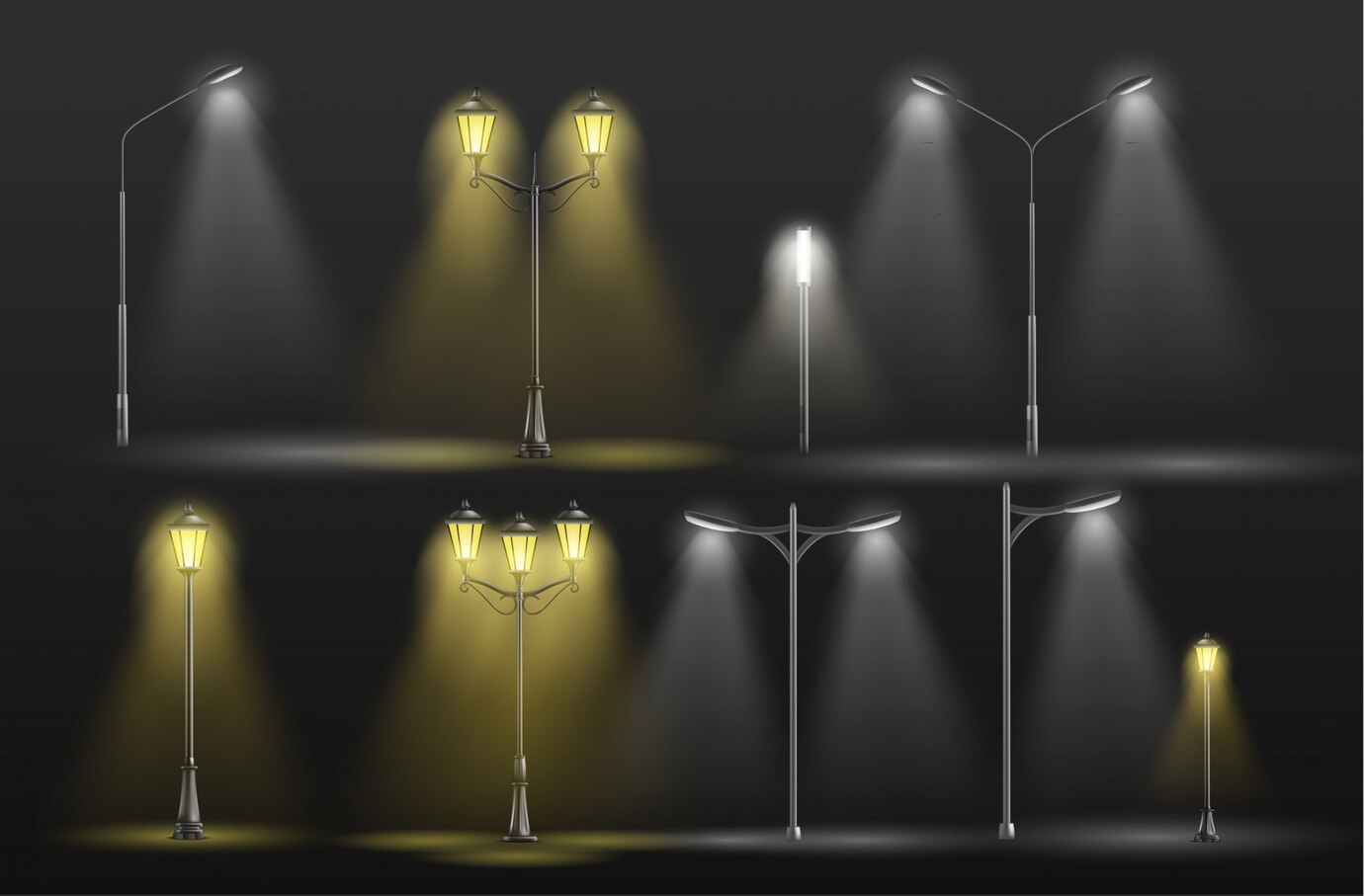
    What is a High Mast Light?

    In order to effectively light up large outdoor areas like roads, ports, and industrial buildings,
    high mast lights are specialized, high-elevation lighting systems. Installing these lights on tall
    poles makes the area brighter and reduces the need for individual lights. The answer to the
    question : “What is high mast light?”; lies in its ability to blend cutting-edge LED technology with
    strong construction. It makes sure that the best performance happens even under challenging
    circumstances. It takes careful engineering to make sure that a high mast light gives off consistent light over
    large areas. As a result, it uses less energy and costs less to maintain. Strong materials and
    smart control systems built into its design let it change based on current needs. This new way of
    lighting improves safety and sight, which makes it an essential part of modern planning for
    cities and factories.

    Overview of High Mast Light Specification

    Precision engineering goes into making high mast lighting systems, which include features that
    make them work better and last longer. A high mast light specification outline is provided
    below:
    Robust Construction: The materials used to make high mast lights are strong and won't
    rust, so they can handle bad weather. It makes sure that it will work reliably even in
    harsh conditions.
    Energy Efficiency: With their cutting-edge LED modules, these lights use a lot less power
    while still giving off a lot of light. This means lower energy bills and a smaller impact on
    the environment.
    Wide Coverage: New optical systems allow light to spread evenly over significant areas.
    This ensures that large public and commercial areas are safer and easier to see.
    Intelligent Controls: A lot of high mast lights have smart control systems that let you
    dim the lights and keep an eye on them from afar. These systems change the lighting
    automatically based on the amount of light in the room and the traffic patterns, which
    saves energy.
    Low Maintenance and Longevity: Engineered to last longer, these lights need little upkeep, which means that the total cost of care is lower.

    Advantages of High Mast Light

    A good example is the planned use of high mast lighting to light up large areas efficiently while
    lowering the number of fixtures needed. Besides providing outstanding performance, it also
    improves safety and saves money in the long run for large-scale uses.

    Cost-Effective

    High mast lighting systems are usually cheaper than standard lighting because they can light up
    significant areas with fewer fixtures. This economy not only lowers the cost of installation but
    also lowers the cost of long-term upkeep. Looking at the general spending for businesses and
    cities, it is easy to see the long-term financial benefits. Stakeholders frequently ask: what is a high
    mast light that makes it a preferred choice for projects on a budget by lowering the number of
    needed fixtures and energy consumption?

    Lighting Performance:

    One of the best things about high mast lights is that they give off better lighting. These systems
    aim to provide a high level of brightness evenly across large areas. This keeps dark spots to a
    minimum and improves general vision. Their advanced LED technology immediately gives off
    light with little energy loss. It makes them very reliable even in harsh or remote places. What is

    high mast light is and how its engineering ensures constant, high-quality performance should be
    considered when judging their effectiveness.

    Environmentally Friendly

    In today’s world, where people care about the climate, reducing energy use and carbon
    pollution is very important. There is an emphasis on energy saving when designing high mast
    lights. They use LED technology, which uses less power and lasts longer than other lighting
    systems. In the long run, this means lower energy costs and less damage to the earth. Many
    people are asking what is high mast light, which blends strong performance with
    environmentally friendly features, as cities and businesses work to become greener.

    Durability

    The lighting systems on high masts are made to withstand the harshest weather, including
    extreme temperatures, high winds, and heavy rain. Most of the time, these lights work nonstop
    in challenging places like roads and industrial zones, so their reliability is a big plus. These
    systems are stable and don’t need much upkeep because they undergo strict testing and quality
    control measures during production. The high mast light specification for durability is an
    essential point of reference for technical review professionals because it ensures performance
    and longevity.

    Best Applications for High Mast Lighting

    When it comes to lighting, high mast lighting is helpful in many places because it can evenly
    light significant areas. Many people use them on highways, bridges, airports, industrial
    buildings, and sports arenas, where dependable and adequate lighting is essential. That way,
    the light can reach every part of the area quickly. The tall buildings help spread the light over
    long distances. Urban planners and engineers argue about what is high mast light best for
    modern infrastructure. However, most agree these systems provide unrivaled efficiency and
    safety for large-scale lighting projects.

    Conclusion

    High mast lighting is a sturdy, cost-effective, and eco-friendly option when it comes to lighting
    up significant areas. With better performance and more advanced high mast light specification
    details, these systems ensure that current building projects are safe and use little energy. To
    promote a better future, decision-makers must clearly understand what high mast light is.
  • What is a splitter box? Uses, types, & buying guide

    Introduction

    One-to-one electrical or network connections have become redundant in today’s fast-paced world. Constructing multiple transmission channels to relay the same data from the source to the receiver just doesn’t make sense. It increases resource utilisation and leads to signal interference and slowed network output. While switches and mixers are prevalent, they do not offer the desired efficiency or feasibility for multifaceted use cases. This is where splitters step in as the saviour! 

    Since these are the most critical network components, learning in-depth can help you in dire times. That being said, we have further explored what is splitter box, its working mechanism, its use cases, and the differences between passive and active arrangements. To top it all, we have also outlined a brief buying guide to help you find the most compatible product from the lot. 

    What is a splitter?

    As the name implies, a splitter is a special circuit arrangement that divides a single input into multiple outputs. For example, it can stream a video signal from a single source and display it in multiple appliances connected at the outputs. What sets it apart from other similar components is the unaltered signal quality received at every output point. There is no compromise in signal latency, transmission speed, or quality. 

    What is a splitter box?

    People often get confused about what is splitter box. So, before going into the fine details, let’s have an answer for this! It’s nothing but an externally mounted box that is connected to a signal source and multiple receivers. 

    How does a splitter box work?

    A splitter box has a very simple and easy-to-understand working principle. It takes in a signal input from a specific source and then splits the power. This happens in a specific proportion depending on how many output devices or receivers are connected. For example, if there are two output sources, the input power of the signal will be split into half, with each being transmitted to individual ports. Similarly, if there are four receivers, the power supplied will be a quarter of that of the input signal.

    Where are splitter boxes used?

    Electrical splitter boxes

    1. An electric splitter box is employed for proportionate power distribution to multiple devices or circuits connected to the output port. 
    2. Such boxes often contain fuses and circuit breakers to prevent electrical mishaps, especially overloading and short circuits. 
    3. They can be used in:
      1. Providing power to tools and equipment units used at construction sites
      2. Running multiple factory or manufacturing machines on a single power source
      3. Supplying electricity to sound equipment, stage lights, and other components at concerts

    AV (audio/ video) splitter boxes

    1. These splitter boxes enable multiple output devices to share a single input audio or video signal. 
    2. A few use cases of AV splitters are:
      1. Broadcasting studios to send signals to multiple recording booths
      2. Streaming videos on multiple TVs at home using a single HDMI media input
      3. Displaying videos or playing audio on multiple screens at retail stores in complete synchronization

     Network splitter boxes

    1. Such a splitter box is meant to eliminate network clutter by distributing an Ethernet connection to multiple devices. 
    2. Network splitters are mostly used for:
      1. Supplying a consistent internet connection to multiple PCs connected to a single port at offices
      2. Managing data transmission efficiently on multiple servers at data centers
      3. Allowing users to access smart devices from multiple devices using a single Ethernet connection

    Optical fiber splitter boxes

    1. These eliminate any major signal loss while ensuring that fibre optic signals are supplied to multiple receivers from a single input source.
    2. They have found extensive use in:
      1. Distributing fibre optic internet to residential homes from a single data server
      2. Delivering a high-speed internet connection to multiple devices

    Difference between passive and active fiber splitters

    Features

    Passive fiber splitters

    Active fiber splitters

    Power requirements No need for an external power source An external power source will be needed for operations
    Functionality Splits the incoming signals Splits and amplifies the input signals
    Components Optical splitters and couplers Electronic components like switches and amplifiers
    Signal loss Higher signal loss due to passive splitting Lower signal loss that is further compensated through signal amplification
    Maintenance  Low maintenance Higher maintenance
    Costs Cheaper Costlier due to electronic components
    Reliability Very high Low 


    How to choose the correct splitter box?

    Number of outputs

    1. Select a splitter box that matches the desired output requirements based on the devices to be handled. Standard market configurations include 1:2, 1:4, 1:8, 1:16, and so on. 
    2. Some appliances or devices may require even splitting or optical splitters. On the contrary, you will need RF splitters for uneven signal splitting. 

    Signal or power compatibility

    1. The splitter box should be compatible with the signal voltage and frequency as per the input source. The use of an incompatible component will eventually lead to signal quality degradation. 
    2. Ensure the chosen product matches the signal type to be split and transmitted. 

    Quality and durability

    1. High-grade plastic, aluminum, and metal splitter boxes have the best build quality. 
    2. Check if the connectors are gold-plated for better signal transmission and reduced risks of corrosion. 
    3. For outside boxes, ensure they have weather-proofing casing. 

    Signal loss and interference 

    1. Metal enclosures and other forms of protectors help reduce EMI in the splitter boxes. So, try to get such a product for yourself.
    2. Check the loss factor of the splitter box to determine if the signals transmitted will be adequate for the connected devices. 

    Best splitter boxes on the market

    Conclusion 

    Knowing what is splitter box and its classifications will give you an upper hand in making the right choice. Although there are countless options, checking certain factors like build quality, loss factor, signal compatibility, and voltage ensures zero errors. So, invest in a product that will help transmit signals without much power loss to the connected devices. 

    FAQs

    In what way is a junction box different from a splitter box?

    To protect electrical circuits from corrosion or unwanted damages, you can invest in a junction box. On the contrary, a splitter box distributes the incoming signal across the multiple connected output devices. 

    Can I use a splitter box for high-power applications?

    Only active splitters are capable of supplying high power to the connected devices through signal amplification.

    How does an HDMI splitter differ from an AV switch?

    An AV switch allows you to select which of the connected output appliances will receive the signal from the input source. On the other hand, an HDMI splitter duplicates the input signal and transmits the same to all the connected output devices.

    Do network splitters affect internet speed?

    If the network splitter has a high loss factor, the internet speed will be reduced due to EMI and transient data loss. 

  • Explosion-proof blowers: What are they & how to choose the right one

    Explosion-proof blowers: What are they & how to choose the right one

    Introduction:

    Explosion-proof blowers are used primarily to move gas or air from one place to another. For example, HVAC systems often have a blower to expel the hot air outside. On the other hand, cooling towers in industries use blowers to move the hot air upward. These use mechanical force in a specific direction to propel the gas or air molecules in the same way. You can consider a blower somewhere between a fan and a compressor. It can exert more pressure on the gas than a fan but is less powerful than a compressor. 

    Although blowers are of different types, not all of them can offer optimal safety. Most models are at a high risk of exploding when operated in the presence of flammable gases, dust, or vapor. This is where a special category of blowers is used, named explosion-proof blowers. These are specifically designed to prevent any accident and maintain optimal safety in the work environment. That being said, we have prepared a detailed guide, explaining what is explosion-proof blower and its uses in different industries. Additionally, we have also covered their working mechanism and the different models prevailing in the market. 

    What is an explosion-proof blower?

    Most industries regularly exhaust hazardous fumes. Regular blowers can increase the risks of sudden explosions due to electrical sparks or excessive heat discharge. This can not only put the personnel’s safety at risk but also damage the entire setup. That’s why specially designed blowers are preferred for moving gas volumes to mitigate the damage

    Truth be told, understanding what an explosion-proof blower is can help you make the right call for your business. So, let’s explore what this is. 

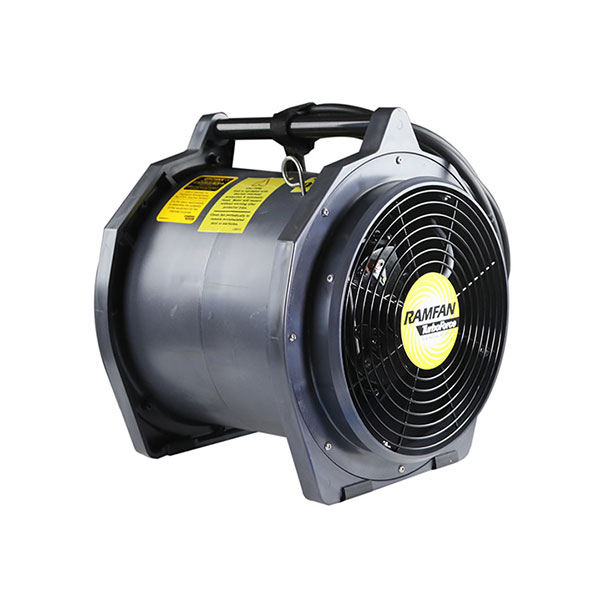
    An explosion-proof bowler is a specially designed air-moving device for environments filled with hazardous vapors, chemical dusts, and gases. Its construction ensures that it can operate safely by eliminating the risks of explosions. Unlike regular blowers, it doesn’t cause any electrical spark or discharge a high heat amount. 

    How do explosion-proof blowers work?

    We have already explained what an explosion-proof blower is. Now, it’s time to explore its working mechanism so that you can have a clear idea about its benefits. That being said, below, we have outlined a few points that will help you understand how it works differently from other blowers. 

    Airflow and exhaust 

    Explosion-proof blowers are reinforced with high-quality motors and impeller blades. Together, they exert an axial or centrifugal force to expel the exhausting hazardous fumes from within the enclosed chambers or towers. It prevents the chemicals from accumulating in a single place, thereby reducing the risks of explosion or any other form of workplace accident. 

    Sealed motor housing 

    The motor in the explosion-proof blower is enclosed completely in a protected metal housing. This eliminates the mechanical part’s exposure to the outside environment, so no heat discharge or electrical spark from the motor can cause an accident. 

    Non-sparking components 

    Critical working parts like the housings or fan blades are made from steel, brass, or aluminum to ensure they won’t generate electrical sparks when in use and cause sudden massive accidents. 

    Explosion-proof certification 

    Every explosion-proof blower needs to remain compliant with different industry regulations. These are:

    1. ATEX in Europe
    2. UL and CSA in North America
    3. IECEx
    4. NFPA or National Fire Protection Association

    Grounding and static protection

    Regular blowers can accumulate static electrical charges in their exterior body. As a result, the risks of electrical sparks in hazardous environments are significantly increased. That’s why many explosion-proof blowers come with grounding protection for safer electrical discharge. 

    Extreme temperature tolerance

    When used in chemical plants or oil refineries, blowers are often exposed to extreme temperatures. They generate excessive heat in the surroundings, which, if they come in contact with hazardous fumes, can cause explosions. That’s why explosion-proof blowers are designed with higher temperature tolerance limits. They can work seamlessly in extreme conditions without overheating. 

    Industries and applications of explosion-proof blower

    Pharmaceutical and chemical industry

    1. Removal of toxic chemical fumes during the manufacturing process
    2. Ventilation in chemical labs and storage houses
    3. Prevention of fume buildups in chemical tanks

    Mining 

    1. Removal of coal dust from mines
    2. Circulation of fresh air in underground tunnels and enclosures
    3. Expelling hot air to cool down heavy machinery

    Oil and gas industry

    1. Ventilation in offshore oil rigs and refineries
    2. Cooling gas circulation at compressor stations

    Wastewater treatment plants

    1. Expelling hydrogen sulfide and methane from wastewater tanks
    2. Proper aeration of sewage water

    Coating and paint industry

    1. Ventilation in spray painting booths
    2. Prevention of mist accumulation in enclosures that could cause explosions
    3. Efficient removal of solvent chemical vapors during coating processes

    How to choose the right explosion-proof blower?

    Now that you have a detailed understanding of an explosion-proof blower, let’s find out how to choose the best model. 

    1. Every model should be compliant with the safety standards based on the hazardous level you deal with. 
    2. You need to check three significant specifications of the concerned blower models. These include:
      1. Airflow determines the volume of air that can be moved in a minute
      2. Operating temperature range of the blower 
      3. Static pressure that determines the resistance against airflows 
    3. Explosion-proof blowers come in four different configurations. Choose the model that best meets your business needs. 
      1. Positive displacement blower
      2. Centrifugal blower
      3. Axial blower
      4. Regenerative blower
    4. Choose a blower that is made of durable material for higher longevity and efficiency. 

    Comparison: Top explosion-proof blower models

    Model

    CFM

    Power

    Hazard rating

    Best for

    EFi120xx/EFi150xx 16/40 scfm 1.2/1.5 HP ATEX Zone 1 Chemical industry
    EFi75xx 2,500 cfm 0.75 HP ATEX Zone 1 Oil and gas
    AFi75xx 2042 cfm 6.4 HP ATEX Zone 1 Chemical plants


    Conclusion 

    This detailed discussion has highlighted what an explosion-proof blower is and its in-depth working mechanism. With this, it’s evident why this equipment has become a savior across several industries, be it chemical or paint manufacturing. However, you need to find the best model that aligns with your specific business needs to harvest the benefits this blower has to offer.

  • Common Lighting Problems and Solutions: A Complete Troubleshooting Guide

    Common Lighting Problems and Solutions: A Complete Troubleshooting Guide

    Introduction

    Lighting plays a critical role in our everyday comfort, safety, and functionality. Imagine the inconvenience if your bedroom lights suddenly went out while reading your favourite novel. Or think of the problems you’d face if your exterior patio lights started flickering right after a downpour. These are common lighting problems, but the solution isn’t always replacing the bulb. Often, simple fixes like tightening the bulb or using waterproof fixtures can resolve the issue.

    Imagine the inconvenience it would be if your bedroom lights suddenly went out while you were reading your favourite novel. Or wonder about the problems you will face if the exterior patio lights start flickering all of a sudden, right after a downpour. Most people think that any problem with their lights means a straightaway replacement. But that’s not the solution, and not for all cases! 

    Sometimes, tightening the bulb can prevent flickering, or using a waterproof lamp can resolve sudden issues. In other words, the exact solution will depend on the issue you have encountered. That’s why knowing about lighting problems and their remedies can help you lead a comfortable and worry-free life. After all, no one would like to have the lamps flicker or suddenly dim. 

    That said, we have created a detailed guide explaining the most common issues with lights and providing the most feasible solutions. 

    Common Lighting Problems and Solutions You Should Know

    Flickering lights

    Sometimes, you will see the bulbs going on and off automatically, all by themselves. Flickering can be caused by numerous reasons, including:

    1. Improper electric supply to the bulbs
    2. Loose wiring connecting the bulbs with the main supply line
    3. Old and worn-out lights 

    Dim or weak lighting

    Although using a dimmer switch can reduce the bulb’s brightness, a sudden dip in illumination is an issue. In fact, weak illumination is one of the most common lighting problems people often deal with. It happens mostly due to poor electrical supply to the bulb’s fixture. Sometimes, loose bulbs can also lead to dim lighting. 

    LED bulb overheating

    LEDs are known for consuming the least current and generating the least heat compared to traditional CFL bulbs. But if your LEDs suddenly become overheated, it means they are taking in more power than necessary. Sometimes, it happens if the heat sink fails to dissipate the energy, causing the bulb to get overheated. Using poor-quality bulbs can also lead to this problem. 

    Blue light pollution

    Artificial lights, LED screens, and other light sources emit excessive blue radiation. When used in open spaces without a protective enclosure, this can lead to blue light pollution. In fact, this has become one of the most concerning lighting problems in urban regions. These short wavelengths not only lead to poor vision but also interfere with nighttime visibility and concentration. 

    Incorrect installation of LED lights

    If the LED bulbs are not installed correctly, several lighting problems can arise, including:

    1. Frequent blinking
    2. Premature failures due to overheating
    3. Inconsistent color shifts 
    4. Delayed starts
    5. Short circuits 

    Corrosion problem of the exterior LED lights housing

    One of the most common lighting problems people encounter is corroded housing structures for exterior bulbs. Most housings are made of iron and has no protective coating. After being exposed to various weather conditions, they develop rust or show other signs of corrosion. 

    The waterproofing problem of outdoor LED lights

    Not using weatherproof outdoor LED lights can lead to sudden damage and premature failure. Besides, if you install these bulbs without any additional protective chamber, they may be instantly damaged after being exposed to rain. 

    Lights buzzing or humming.

    Buzzing sound from bulbs is one of the most irritating lighting problems that can interfere with your peace and comfort. It usually happens due to various reasons, like:

    1. Incompatible dimmer switches
    2. Faulty wirings
    3. Poor-quality drivers
    4. Voltage fluctuation due to circuit overloading
    5. Electromagnetic interference

    Solutions for lighting problem

    Whether it’s the buzzing sound or corrosion, the issue needs immediate attention. Otherwise, you will end up with a much more severe problem. So, for your convenience, we have shared a few solutions for the most common lighting bulb problems. 

    1. Flickering lights

      1. The bulb needs to be tightened properly to prevent a loose electrical connection. 
      2. Worn-out bulbs should be replaced with premium-quality ones.
      3. Check for loose wiring connections from the main supply.
      4. A voltage stabilizer should be installed to prevent sudden surges or spikes in the input voltage.
    2. Humming lights

      1. Use dimmer switches that are compatible with the given CFL or LED bulb.
      2. Replacement of the ballast in case it’s a fluorescent fixture. 
      3. Tightening of any loose part of the light fixture.
    3. Insufficient or dim lighting

      1. Using bulbs with higher lumen ratings for more brightness
      2. Adding additional light sources in areas with poor visibility
      3. Cleaning the light fixtures and removing dust and grime.
    4. Blue light pollution

      1. Enabling blue light filters in electronic devices
      2. Adjusting screen brightness at nighttime 
      3. Using warm-toned indoor lights instead of cool-tone ones
      4. Installing smart LEDs with adjustable brightness
      5. Preventing unnecessary illumination by installing motion sensors
    5. Corrosion problem

      1. Using stainless steel or galvanized iron housings for exterior lighting
      2. Installing waterproof shades to prevent corrosion due to contact with water

    Preventive measures for better lighting performance

    The best way to minimize the occurrences of these lighting problems is to plan and take preventive measures. 

    1. Ensure the selected dimmer switch is compatible with the target bulb. 
    2. The colour temperature should depend on the mood you want to set for every lighting source. 
    3. Invest in high-quality light fixtures that can dissipate heat properly and prevent LED bulb overheating problem
    4. Clean all the fixtures monthly to remove dirt and grime.
    5. Replace the burnt-out bulbs immediately to prevent flickering lights.
    6. Pay attention to light positions to avoid glares or sudden brightness.
    7. Invest in smart lighting systems to reduce unnecessary usage of the bulbs. 

    When to ask for help?

    You should seek help from a professional electrician if:

    1. The electrical wires connecting the bulbs to the main supply line are loose.
    2. There is a short circuit in the bulbs. 
    3. The bulbs continue to make buzzing sound even after tightening the fixture. 
    4. Lights are flickering even after checking the connections. 

    Conclusion 

    Solutions to different lighting problems and solutions should also be specific. So, you should first identify the root cause of the issue and decide on the best remedy. If the DIY hacks don’t work, call a skilled electrician. Also, invest in high-quality lights and fixtures to avoid these issues in the future. 

    FAQs

    What’s the best bulb type for reducing energy costs?

    Using traditional sodium-vapor bulbs can result in heavy utility bills. To lower your utility costs, replace them with premium-quality LED lights.

    How do I fix a light fixture that keeps burning out bulbs?

    Sometimes, replacing the existing bulb with another piece having a lower wattage rating than that of the fixture can resolve this issue. Also, check if the light fixture has loose wiring and get it corrected. 

    Why do the LED bulbs produce humming sounds?

    Faulty wirings, sudden voltage spikes, and incompatible dimmer switches are the most common causes behind the disturbing buzzing noise you hear coming from the bulbs. 

    Can bad wiring cause lights to dim suddenly?

    Poor or loose wiring disrupts the electrical supply to the bulb’s terminals, causing them to suddenly dim. 

  • Highway Lighting: Importance, Standards & Best Practices

    Highway Lighting: Importance, Standards & Best Practices

    Introduction

    Improper lighting arrangements and low visibility have topped the list as major contributors to highway accidents. The numbers escalate further during foggy and misty weather when even the car’s headlamp fails to offer the required visibility. 

    Owing to this, several countries have implemented strict regulations and standards concerning highway lighting. Regular lamps cannot illuminate the dark roads of expressways. Rather, these artificial lights need to adhere to specific industry regulations for them to be used on highways. That being said, we have crafted a detailed walkthrough of expressway roadway illumination, design principles, regulation standards, and more facts. 

    What is highway lighting?

    Highways, city roads, and expressways form the backbone of every urban settlement. If not appropriately equipped with amicable lighting arrangements, road accidents can never be reduced. This is where the concept of highway lighting comes into play! It defines the arrangement of artificial lights along the edge of the expressways or city roads to ensure proper illumination in all weather conditions. The main goal is to streamline traffic movements, especially at night when visibility is low. 

    Importance of highway lighting

    Roadway illumination is just a way of improving the aesthetics of an urban settlement. However, that’s not the actual scenario. Although it is a significant part, highway lights have more detailed significance than just beautifying the roads. 

    Enhancements in road safety:

    Proper illumination improves visibility. This allows drivers to spot lane markings and road signs easily, and obstacle detection becomes hassle-free.

    Highway lights at intersections and crossings prevent pedestrian accidents. 

    Amicable lighting on city streets and highways allows drivers to focus properly on the roads, which is crucial for long journeys. 

    Improvement in traffic flow

    Once the streets are adequately illuminated, drivers won’t have to slow down due to confusion about what lies ahead. This helps streamline traffic flow, especially on busy roads.

    With highway lighting, drivers can maintain safe speed limits and prevent accidents.

    Sharp and blind turns, tunnels, and intersections can have smoother traffic movements with bright illumination. 

    Support for emergency movements 

    Maintenance and construction work becomes more manageable with amicable highway lighting. 

    Ambulances and firefighter trucks can navigate on highways quickly with proper lights. 

    Key highway lighting standards and regulations

    IES (Illuminating Engineering Society) guidelines:

    These highway lighting standards set proper guidelines for:

    • Illumination levels for different roads and streets, like freeways, pedestrian roads, local streets, and so on. 
    • Uniformity ratio for appropriate distribution of the lights so that sudden glares won’t interfere with visibility.
    • Usage of cut-off techniques to prevent light spills. 
    • Prevention of over-illumination and control of light pollution in urban areas.
    • Colour temperature range for higher road visibility and Color Rendering Index for easier spotting of objects and road signs. 
    • Mounting height and pole spacing of highway lights.

    CIE (Commission Internationale de I’Eclairage) recommendations

    CIE defines the global standards for highway lighting design and optimal usage. Some of the key recommendations are:

    Classification of different roads based on pedestrian presence, traffic speed limit, and traffic volume. These are:

    • M-Class: High-speed roads
    • P-Class: Low-speed and pedestrian roads
    • C-Class: Conflict zones like roundabouts and intersections

    Illuminance level recommendations for different lighting classes

    Lighting uniformity ratio and Threshold Increment for glare control

    CCT and CRI for better visibility and seamless object detection

    Sustainability in highway lighting solutions through adaptive lighting systems, motion-sensor street lamps, and solar-powered lamps

    Types of highway lighting systems

    High mast lighting

    Tall poles with an approximate height of 30 to 50 meters are used in high mast highway lighting technique. Each pole is further reinforced with multiple floodlights, forming a cluster. It’s almost like creating an umbrella of lights on a single pole for widespread illumination. Only a smaller number of poles are required to cover the given stretch of road while maintaining uniform lighting. This technique is best suited for:

    • Highways and expressways
    • Toll plazas
    • Roundabouts
    • Interchanges
    • Stadiums and building parking lots
    • Ports and airports

    Some of the key advantages of high mast lighting are:

    A single cluster of floodlights can illuminate a widespread area. It reduces the dependency of multiple poles.

    It uniformly distributes light, thereby preventing glares and blind spots.

    Security in public places is enhanced greatly with high mast roadway illumination.

    Streetlights on poles

    Standard posts are used for streetlights, standing at a height of 9 to 15 meters only. Each pole can have one or two floodlights at the most. Both LED and conventional sodium vapour lamps can be used. Smaller highways and city roads are the most common areas where you can catch sight of this highway lighting type. Some of the key benefits are:

    Short-heightened poles are easier to install and can be done quickly. 

    These are cost-effective and can save a lot of money. 

    Illumination offered is 24/7, with some lights having LDR technology for higher energy efficiency. 

    Tunnel lighting 

    This is a specialized highway lighting design used for bright and uniform illumination in underpasses and tunnels. It can be divided into three zones, namely:

    Threshold or entering lights

    Offers high brightness to match the outside conditions

    Helps drivers adjust properly to the tunnel’s low light conditions while entering

    Lights gradually start dimming as one proceeds along the tunnel for easy adjustability 

    Interior zone lighting 

    All the lights along the middle section of the tunnel maintain uniform illumination.

    Clear vision is enhanced further by using medium-level brightness.

    Dark and blind spots are reduced so that drivers can have complete visibility.

    Egress or exit lighting

    Its purpose is to help drivers adjust from low-light to brighter conditions.

    This prevents a sudden shock to the visuals of the drivers. 

    Smart lighting 

    The use of LEDs in highway lighting helps save lots of energy and paves the way for sustainable urban development. Motion-sensitive and LDR technologies are often integrated so that the lights won’t remain on unnecessarily. 

    Highway lighting design considerations

    Road type and traffic volume will influence the illuminance range of highway lighting.

    High-speed roads should have a uniformity ratio of more than 0.4. On the contrary, pedestrian streets and city roads should have uniformity of more than 0.3.

    Pole height and the gap between two adjacent poles should be considered. It will help prevent overlapping of illumination, sudden glares, and unnecessary blind spots.

    It’s essential to consider the recommended glare threshold for highway lighting. 

    The choice of light source also plays a crucial role in highway lighting design. For instance, LEDs are more durable but can incur a higher upfront cost. HPS lamps are cheaper but have lower CRI levels

    Conclusion 

    Most road accidents reported occur on highways and expressways. Although driver fatigue is a key reason, you cannot ignore the lighting conditions. That’s why investing in amicable highway lighting is essential for any urban settlement. It not only reduces road accidents but also offers more comfort and assurance to the drivers. Explore the different types of highway lights and their specifications for an accurate selection. 

    FAQs:

    What is the best type of lighting for highways?

    Since highways have longer stretches to be illuminated, high mast lighting is more suitable. It not only reduces the number of poles required but also offers uniform illumination. Dark spots and glares can be reduced further, especially at intersections. 

    In what ways do LED and traditional lamps differ?

    These lamps have become prevalent for highway lighting. They are more energy-efficient and can last for years without requiring replacement. 

    Are there any regulations for highway lighting design?

    The two significant protocols to be followed for designing and planning highway lighting are IES and CIE guidelines. 

    How can smart lighting reduce energy consumption?

    The illumination range can be automatically adjusted using motion sensors. Lights will start glowing brightly for approaching vehicles, and on the contrary, departing vehicles will automatically dim the lamps. LDR lights can help control street lighting based on solar radiation intensity. 


  • Zone 1 LED Lighting: Safe & Certified Solutions for Hazardous Areas

    Zone 1 LED Lighting: Safe & Certified Solutions for Hazardous Areas

    Introduction 

    All industries, such as oil, gas, chemical plants, and refineries, must maintain safety and compliance with regulated standards. Hazard areas where flammable gases, vapours, or dust exist demand highly specialised lighting solutions to minimise the possibility of ignition. Zone 1 LED lighting, therefore, eliminates these safe environments for workers without compromising high operational efficiency. 


    Designed to provide long service life, energy efficiency, and the realisation of international safety certifications, Zone 1 LED is the diagnostic solution for hazardous environments. It has conformed to stringent standards from organisations such as ATEX, IECEx, UL, and the like, making it eligible for installations in areas with likely explosive atmospheres. This article will discuss Zone 1 LED lighting and aspects like its certifications, features, and application benefits. Also presented will be the essential purchase considerations to advise industries in choosing the correct one.


    What Is Zone 1 LED Lighting? 

    Zone 1 LED lights are specifically designed lighting systems for hazardous areas where an explosive atmosphere occasionally exists under normal working conditions. Hazardous zones of this description include industrial applications, such as oil rigs, chemical processing plants, and refineries, where flammable gases or vapours are available in significant quantities. The lighting systems in those areas must be safety-certified, ensuring any light fixtures do not become a potential source of ignition. 


    Zone 1: Zone 1 is one classification for hazardous locations where explosive substances are likely to be present.
    Zone 1 LED lights engineered for enhanced safety are also designed to survive extreme environments while providing major energy savings, long life, and low maintenance costs compared with other traditional lighting options.


    Difference Between Zone 1 & Other Hazardous Area Classifications:


    Zone 0: 

    Zone 0 areas always have an explosive atmosphere or long durations where present. This is the classification at maximum risk of explosion. In Zone 0, only the most highly specialised and robust equipment with intrinsic safety-rated lighting is allowed.


    Zone 1: 

    Zone 1 covers locations where an explosive atmosphere could likely occur during regular operational hours rather than continuously. It includes areas where gases, vapours, or mists are usually present under normal operating conditions. Zone 1 LED lights must withstand this atmospheric ignition potential and are typically constructed using protective enclosures, explosion-proof housings, or flameproof designs to prevent ignition.


    Zone 2: 

    Zone 2 is classified as a place where an explosive atmosphere is not expected to occur in everyday situations but could exist when a fault occurs. The probability of ignition is less than in Zone 1, and most lighting in Zone 2 relies less on special equipment for durability but mainly on short-term exposure to hazardous environments.


    Key Features of Zone 1 LED Lighting 


    • Explosion-Proof Casement: The Zone 1 LED luminaire is encased in explosion-proof sturdy casings such that no electrical component can accidentally ignite the surrounding atmosphere. 
    • Certification in the ATEX and IECEx Categories: The luminaires conform to international safety standards such as ATEX in Europe and IECEx globally. 
    • Energy-Efficient: LED lights’ energy efficiency has potential compared to other lighting means, reducing running costs and the environment. 

      Longevity: The robust construction of Zone 1 LED lighting should ensure that these systems will have longevity and, hence, less frequent replacement and downtime. 

    • Enhanced Durability: Zone 1 LED light can withstand severe environmental conditions such as high temperatures, humidity, and corrosive materials and is capable of long-term productivity in extreme industrial environments. 
    • Lower Maintenance Cost: The fewer moving parts Zone I LED lights have, along with the extended lifespan between failures, provides a much lower maintenance cost over the long run. 
    • Low Heat Emission: LED lighting generates low heat, which reduces the risk of ignition from flammable diesel gases or vapours that could exist in hazardous conditions. 
    • Light Output Adjustability: Most Zone 1 LED lights have the means to adjust light intensity and distribution, ensuring that illumination can be optimized for a variety of industrial applications. 

    Industries & Applications for Zone 1 LED Lighting 


    • Oil & Gas Industry:

      Zone 1 LED lighting is extensively utilized at oil rigs, refineries, and offshore platforms that contain flammable gases and vapours.

    • Chemical Manufacturing:

      Facilities that produce chemicals or process flammable materials also benefit from Zone 1 LED lighting to ensure employee safety and compliance.

    • Pharmaceutical Industry:

      Zone 1 LED lighting fulfils this requirement in pharmaceutical production sites dealing with hazardous chemicals and gases.

    • Petrochemical Plants:

      These plants often contain flammable gases, and therefore, lighting that fulfills the requirements of Zone 1 is needed to avoid the possibility of ignition.

    • Mining Operations:

      Undersurface and surface mining operations that use explosives and risk the materialisation of volatile chemicals use Zone 1 LED lighting to ensure operational safety. 

    • Marine and Offshore Platforms:

      Under these conditions, Zone 1 LED lighting is necessary for ships and offshore structures where hazardous conditions exist, such as ship engines and storage tanks.

    • Food Processing:

      These can be in factories processing food that utilise, among others, explosive dust or vapours. Zone 1 LED lighting ensures safety in the processing and storage areas.

    • Wastewater Treatment Plants:

      Zone 1 LED lighting is in areas handling potentially explosive gases to ensure illumination while still being safe. 

    How to Choose the Best Zone 1 LED Lighting 

    • Certification Compliance:

      Ensure that the illumination meets all necessary safety and regulatory standards, such as ATEX, IECEx, or UL certification for use in hazardous locations.

    • Durability and Construction:

      Look for lights with toughened and unwavering design features that can withstand extreme environmental challenges, such as changing temperatures, water, and corrosive chemicals.

    • Energy Saving:

      LED lighting is supposed to take energy savings without compromising brightness and good performance; energy-efficient lighting reduces operational costs over time.

    • Lifespan and Maintenance Requirements:

      Select lights for long service durations, which will decrease replacement duration and frequency and, in turn, lead to minimal maintenance, which might be expensive and disruptive.

    • Light Output and Distribution:

      Assess your application’s lighting needs. Select the appropriate LED fixtures with adjustable light output and distribution to provide optimal coverage and visibility in the hazardous area.

    • Comparison: Best Zone 1 LED Lighting Fixtures 


    Model Lumen Output Power Voltage Range Certifications IP Rating Materal Best for 
    ABC-EX1000 10000 50W 100-277V AC ATEX Zone 1, IECEx IP66 Aluminum Alloy Oil Rigs
    DEF-EX500P 5000 30W 120-277V AC ATEX Zone 1, NFPA 70 IP65 Stainless Steel  Chemical Plants
    GHI-EX2000M 20000 100W 100-305V AC IECEx, NEC 500 IP67 Copper-Free Aluminum Large Warehouses

    Benefits of Zone 1 LED Lighting 

    • Energy Efficiency:

    • LED technology uses much less energy, providing significantly higher levels of illumination, lower energy bills, and ecologically sustainable operations. 
    • Long Life:

    • Zone 1 LEDs last up to 60,000 hours, so replacements are generally low, reducing maintenance capital and interruption time. 
    • Minimum maintenance:

    • The rugged construction and robust materials of Zone 1 LED lights defy the probabilities of frequent maintenance or repairs for reduced cost of operations. 
    • Cost Benefits:

    • Energy efficiency and long life will result in tremendous savings over the lighting system’s lifetime. 
    • Environmentally Friendly:

    • These are recyclable and do not contain chemicals, such as mercury, in LED lighting, which means they are environmentally friendly. 
    • Durability:

    • The harsh industrial conditions dictate that Zone 1 LED lighting must be specifically designed to withstand extremely high levels of humidity, vibration, and corrosive exposures. 
    • Quick Installation:

    • Several mounting options allow easy installation of Zone 1 LED lights in many hazardous environments, thus reducing installation time and costs. 
    • Higher Productivity:

    • Better visibility because of enhanced lighting minimises accidents and maximises activity by workers in hazardous areas. 

    Conclusion:

    The lighting for hazardous industries– such as oil and gas, chemical manufacturing, or petrochemical plants- will need safety and energy efficiency in lighting solutions. Zone 1 LED lighting becomes stout and reliable in an area that might sometimes be subject to explosive atmospheres in everyday operations. These lights meet not only very stringent safety standards like ATEX and IECEx but also have energy efficiency, durability, and lower maintenance costs, in addition to their several advantages. 


    For industries that wish to adopt Zone 1 LED lighting in their setups, factors like certification, compliance for lighting, energy efficiency, life expectancy, and light output will count. Perfect fixtures could include high-performing units such as those from AJV Tech Linear LED Lighting, which promise extreme longevity and maintenance-free service. Both purposes of worker and operational safety, as well as optimum illumination in hazardous environments, are assured for these fixtures.

    FAQs 

    What is Zone 1 in hazardous lighting?

    Zone 1 is where an area is classified as hazardous during normal operating conditions when it can cause an explosive atmosphere; this area includes oil platforms, chemical processing plants, and refineries.

    Are all LED lights explosion-proof?

    Not all LED lights have explosion ratings. Some of them are subjected to tests, certified for hazardous places such as Zone 1 or Zone 0 hazardous atmospheres, with these fixtures being protected from internal explosions

    Can Zone 1 lights be used in Zone 2?

    In most cases, it is proper to install Zone 1 lamps in Zone 2 areas since the latter are not considered hazardous. The reverse isn’t necessarily true; Zone 1 cannot use Zone 2 light because these are not supposed to be sufficiently explosion-resistant.

    What’s the typical lifespan of Zone 1 LEDs?

    The average life span is about 50,000 – 60,000 hours for Zone 1 LED lights, depending on the type and working conditions. Thus, combined with the time spent using services, it is almost halved by preventing high maintenance and dependency in and around hazardous areas.

    Are these lights waterproof?

    Yes. The IP66 or IP67 specification of Zone 1 LED refers to resistance to ingress of dust and water, which means it can withstand the most hostile conditions and wetness in industry.

  • Warm Light vs. Cool Light: Which One Should You Use?

    Warm Light vs. Cool Light: Which One Should You Use?

    Discover the key differences between warm and cool light and their effects on mood and productivity. Learn how to choose the proper lighting. Read Now!

    Introduction

    The colour temperatures of light create moods, increase productivity, and even set the atmosphere of a certain place or area. In homes, offices, or commercial establishments, proper and effective lighting always dictates how a specific area builds one’s feelings towards it. Though actions sometimes prefer watts of warm, comforting light glow, others thrive under cool lights, vigour, and concentration for activities such as reading or studying.

    This article will discuss warm and cool lights, their benefits, and which one is best suited for particular environments.

    What is Warm White Light?

    Warm white light has a color temperature across an approximate range of 2700K—3000K, graduating into almost sunset-like brightness or incandescent bulb-like lights. Warm white feels comfy, relaxing, and homely. Warm white light is more warm, rich, and yellowish, well suited for places where you wish everything going on there be hushed and really soothing, such as the living room, bedroom, or even the dining room.

    Benefits of Warm White Light

    1. Create a Cozy Environment: Warm white light creates a cocooned, comfy atmosphere waiting at the end of a long, tiring day.
    2. Better Quality Sleep: Deeper sleep is established as melatonin—the hormone regulating sleep—is produced when exposed to such warm, soft light. Thus, this is the light of choice for bedroom resets.
    3. Superb for Eye Strain Reduction: Where warm artificial light is present, the effects of illumination and light are generally softer and less harsh on the eye, making a warm white condition just right for reading or other tasks that require visual focus over an extended period.
    4. Inviting Relaxation: This light bears a sense of comfort, making it suitable for areas designed for relaxation and downtime.
    5. Great for Places Intended for Socialization: Use warm light to make rooms and dining spaces look closer together, such as in living rooms and dining areas designed for families and gatherings.

    What is Cool White Light?

    Cool white light falls between about 4000K and 5000K. It is light that gives a very neutral to bluish-white feeling, either daylight or fluorescent. Just like daylight, cool white lighting is intended to serve a bright, crisp, and energizing environment. This kind of lighting creates an environment for those minor details and, in the midst of an active mind, kitchens, offices, and workspaces.

    Benefits of Cool White Light

    1. Wakes Individuals Up: The cool white light is spritely in brightness, thus ideal for workspaces and study areas, as it helps with focus and concentration.
    2. Boosts Productivity: Bright and pristine illuminance has been said to develop productivity by instilling a motivational environment that keeps individuals active and engaged.
    3. Enhancing Visual Sharpness: The cooler tone of white light offers better contrast and sharpness, helping with tasks that require precision, such as reading, sewing, and many intricate tasks.
    4. Reduced Eye Strain: It should lessen eye strain in situations where extremely detailed work is necessary or where there is little natural light.
    5. Fresh and Clean Appearance: Bright, cool white lighting gives a feeling of being very modern, clean, and clinical. That is why it is very commonly found in kitchens, bathrooms, and offices. The light maintains a bright, neutral look.
    6. Excellent for Task Lighting: This type of lighting is ideal for spaces that require critical specific tasks, such as kitchens, garages, or workstations.
    7. Improves Mood: According to research, cool white light sometimes elevates happy moods and energy levels depending on the time of day.
    8. Energy Efficiency: Last, it survives for a long time, thus ultimately reducing electricity costs.

    Difference Between Warm Light and Cool Light:

    Feature Warm Light Cool Light
    Color Temperature 2700K to 3000K 4000k to 6000k
    Appearance Yellowish/Golden tone Bluish/White tone
    Mood Created Cozy, Relaxing, Comfortable Bright, Energizing, Crisp
    Ideal for  Living rooms, bedrooms, dining areas Kitchens, offices, workspaces
    Energy Efficiency Less efficient than cool light sources More energy-efficient, especially in LED form
    Best for Creating a soft and intimate atmosphere Task lighting or areas that require focus
    Effect on sleep Promotes relaxation, good for evening settings May interfere with sleep if used late at night
    Light Intensity Softer, more subdued Brighter, sharper

    Choosing the Right Light for Your Home & Office

    Selecting the correct lighting for a cozy, effective, and soothing atmosphere requires multiple considerations about an individual’s home or office. Some of the most important to consider are:

    1. Space Function:
      1. Home: Different parts of the house require different types of lighting. An example of this is that warm lighting is expected for the living room or bedroom because the intention is that it gives a sense of coziness and relaxation. At the same time, the kitchen and bathroom would require more bright white direct lighting for both visibility and brightness.
      2. Office: The final effect of the lighting chosen for a specific office is based on what the office or area generally does. For reading areas and usual offices, bright, cool white light would mainly help keep alertness and focus. Warm light in lounges or break rooms gives a very calming and relaxed atmosphere.
    2. Personal Preferences and Health Consciousness:
      1. Personal Preferences: Personal preference in how you prefer your lighting is indeed unique. For one person, that classic warm incandescent light does the trick, while for another, nothing beats the freshness of white LEDs. In the end, it all boils down to what temperature will work best for you based on your comfort and aesthetic tastes.
      2. Health Consciousness: The type of lighting you use can affect your health remarkably. Warm light is best for relaxing and sleeping, and the more astonishing light types are suitable to energise and keep brightness concentration during the daytime. If you are prone to working long hours with a lot of artificial lighting, then consider lighting that minimises eye strain and makes working more comfortable.
    3. Layering Lights: Layering lights involves combining ambient, task, and accent lighting to create a well-balanced and visually appealing space. This approach enhances functionality, sets the mood, and improves overall comfort in any setting.
      1. Ambient Lighting: This is a general overall lighting within a room, usually a ceiling lighting system or recessed fixtures. It establishes one’s base level of light in a physical space in general.
      2. Task Lighting: More focused lighting for a specific task, examples include desk lamps, under-cabinet lighting, or reading lights. A cool white light is indeed considered the optimum in this case.
      3. Accent Lighting: Used to highlight features or create mood, such as spotlights or wall-mounted lamps or floor lamps. Layering different types of lights allows you to modify the ambience and functionality of a room.

    Conclusion

    In assessing the purpose for which a space was designed, the individual’s preference as well as health considerations were paramount in selecting suitable lighting for home and office. The proper layering of lights—among ambient, task, and accent lights—will ensure that the lights are well-catered for different activities during the day, with flexible lighting schemes possible. Whether the light is going to be invigorating for your workspace or soft, yet around-the-house calming, appropriate lighting makes all the difference in the resulting levels of comfort and productivity.

    For further information and inquiries about the best industrial lighting solutions we offer, visit us at AJV Tech.

    FAQs:

    1. Does warm light or cool light consume more energy?

    The amount of energy a light bulb uses depends more on the type of bulb than its color. Whether you choose warm or cool light, LED bulbs are the smarter choice because they use much less energy than old-fashioned incandescent bulbs.

    2. Which light is better for photography: warm or cool?

    It all comes down to the look you’re going for. Warm light gives photos a soft, cozy, and natural feel, while cool light adds sharpness and clarity—perfect for product shots or studio photography.

    3. Can I mix warm and cool lights in the same room?

    Yes, you can, but it’s best to plan it out. Mixing warm and cool lights can create a nice balance—for example, using warm lighting for a cozy atmosphere and cool lighting for focused tasks.

    4. Does cool light make a room look bigger?

    Yes, cool light creates a bright and airy feel, which can make a room appear larger and more open compared to warm light.

  • What Is Facade Lighting? Benefits, Types, and Design Guide

    What Is Facade Lighting? Benefits, Types, and Design Guide

    Introduction

    Nowadays, external lighting has become crucial for urban landscapes. Whether it’s an office building or a prestigious hotel, you will often encounter the architecture being highlighted with different types of light arrangements.

    This is what we call façade lighting. The technique is mainly used to accentuate and illuminate the architectural grandeur and highlights in a brand way. Also, it plays a crucial role in enhancing security and improving night visibility. Owing to all these aspects, knowing what is facade lighting and its benefits is crucial. That being said, we have compiled an inclusive guide explaining the techniques involved with façade lighting, its advantages, and the industry-proven practices to achieve optimal success. 

    What is facade lighting?

    Most people often wonder what facade lighting is and, therefore, doubt its significance. If we say that it is the key to highlighting every single aspect of a building’s architecture and structural dimension, you will be in a dilemma. So, let us clarify what exactly this lighting technique is. 

    You can see different architectures highlighted with multi-coloured lights, whether it’s a historic landmark or a high-end commercial building. This is what we call façade lighting. When external light sources are added at prime locations, they create striking illumination, accentuating the intricate detailing, curves, lines, and other design parameters.  

    Once the features are highlighted using various facade lighting design techniques, a dynamic and stunning visual will be created. It can help attract the attention of the onlookers and accentuate the building’s overall appearance. Below are the key factors that can either make or break the after-effects of the exterior façade lights. 

    Building type

    Different types of buildings and architectures have varied luminance ranges. For example:

    1. Residential buildings: 5 to 15 footcandles. C
    2. Commercial structures: 20 to 50 footcandles. 
    3. Monuments: 10 to 30 footcandles. 

    So, it’s crucial to ensure that the illumination from facade lighting does not exceed this range. If it does, it may cause overexposure and intense glares. 

    Colour temperature

    Another crucial factor for facade lighting techniques is the colour temperature. For instance, using warm white light shades with a tinge of yellow can make the surroundings look cosier for the onlookers. So, professionals pay extra attention to this attribute. After all, the right temperature can create the desired visual impact and set the right mood for the onlookers.

    Strategic light placement

    Placing the lights at random locations is never the trick. Instead, they should be positioned strategically on different architectures. Only then can glares and unnecessary exposure be avoided. You can refer to different placement ideas, like: 

    1. Downlighting
    2. Uplighting
    3. Floodlighting
    4. Side lighting. 

    Sustainability

    Eco-friendly LEDs and smart control systems are best known for offering sustainable lighting solutions. Using them in façade lighting can greatly minimize environmental impacts.


    Importance of facade lighting

    Knowing what facade lighting is and its significance will help clarify most of the doubts and give you a clear idea about its growing popularity. Having said that, we have 

    1. Façade lighting techniques can highlight the building’s texture, intricate design patterns, and architectural elements. The overall appearance will be accentuated further, provided the positioning is correct. 
    2. Thanks to the bright illumination, nighttime visibility is increased by several notches. This can help prevent accidents, especially near large commercial buildings, monuments, and residences. 
    3. Custom façade lighting ideas help commercial brands to promote themselves. For example, unique signage and lighting designs can attract buyers and customers to retail stores easily. 
    4. It is often used to improve a building’s overall security by illuminating nearby areas, especially blind spots. Also, unauthorized access to the buildings can be deterred with this lighting technique. 
    5. Sometimes, façade lighting techniques are used to highlight important social and cultural events. For instance, monuments are beautifully decked up with multi-coloured lights on national holidays. Commercial buildings are also decorated on special occasions, like business events. 

    Types of facade lighting 

    You will come across different types of façade lighting techniques while researching. If you don’t know their purpose, the chances of making a wrong choice will be high. This way, you can never add the desired visual appeal to the building’s structure. So, it’s essential to know these in detail beforehand. At least then, you can choose the right type and proceed with the plan accordingly. 

    Direct lighting 

    As the name implies, this technique refers to the positioning of the light fixtures right above the building’s façade. Spotlights and media façade are the two best examples of direct lighting.

    Wash lighting

    This technique accentuates the flat façade of any building by using a wider light beam. Uniform light beams can also better illuminate larger wall textures.

    Wall grazing

    If you want to create a fascinating visual effect, wall grazing is one of the best facade lighting design techniques. As the name sounds, the illumination will be highest at the single position and then continue to fade out as you move. To achieve this effect, adjust the light fixtures so that they can be close to the bottom of the façade. This will help in increasing the illumination at the base. However, as you move upwards, the brightness will gradually fade. So, the architectural complexities and textured details of the walls of any building will be highlighted perfectly. 

    Accentuating

    The accentuating technique is often used to highlight specific architectural details or structures of the building. For instance, direct light beams can shift the focus on vegetation, arcades, entrances, and other objects that require emphasis. 

    Facade lighting design techniques 

    Uplighting

    Uplighting is one of the most popular facade lighting design techniques used for buildings of various shapes and sizes. Place light fixtures right at the bottom of the structure. Once illuminated, the light beams will graze the external walls, accentuating the details properly. Additionally, this arrangement will add more depth to the overall structural dimension. However, for tall buildings like monuments, light fixtures have to be placed at intermediate levels. This way, the beams will reach high enough to illuminate the top floors and the roof. 

    Downlighting

    Downlighting is just the opposite of the uplighting technique. In other words, the light fixtures need to be positioned downwards at an angle. This will help minimize glares and shadows. However, if the fixtures are not positioned correctly, it can flatten the textural details. Like uplighting, downlighting also requires the addition of lights at intermediate levels for taller buildings. Optics and diffusers can be used to spread the illumination uniformly across the buildings. 

    Accent lighting 

    One of the most complicated facade lighting techniques is accent lighting. Here, you can combine the goodness of both the accent lights and the general wash lighting techniques. If done correctly, the light beams will highlight specific features of the building, like the entrance, arcade, pillars, and others. However, you have to ensure that weatherproof lighting fixtures are used for fountains, ponds, and small water bodies. 

    Design considerations for facade lighting

    Now that facade lighting has been clarified in detail, let’s have a quick look at the factors to be considered for the design. 

    Choosing the right light source

    The illumination and its visual effect greatly depend on the compatibility of the light source. For instance, let’s assume the lights you have chosen have an illuminance greater than the recommended range for the building type. If you continue with these, avoiding glares and overexposure will become extremely difficult. Similarly, if weatherproofing light sources are not chosen for illuminating water bodies, the risks of damage will increase tenfold. 

    Placement & angle optimization

    The illumination will vary depending on the angle and placement of the light fixtures. For instance, keeping the light fixtures straightly aligned in downlighting will create more shadows and flatten the textured details. Hence, you should know the right placement angle. This way, optimizing the brightness will be hassle-free. Besides, you can easily achieve the desired visual effect. 

    Smart & sustainable lighting controls

    It’s crucial to invest in sustainable lighting solutions to illuminate a building’s external details. For example, you can choose from LED-powered lights and intelligent control systems. Their energy consumption is relatively low compared to conventional lamps and tube lights, making brands compliant with energy regulations and standards. 

    Conclusion 

    In this article, we have discussed facade lighting, its types, benefits, and the design techniques popular in the market. Based on the illustration, you now need to select the best design process based on the structural detail you would like to highlight. Also, consider the factors we have explained that can impact the visual effect created through the façade lighting design. To explore innovative lighting solutions and expert guidance, visit AJV Tech for industry-leading insights and services tailored to your project needs.

    FAQs

    Can facade lighting be changed seasonally?

    You may have to decorate the same building in different ways depending on the occasion. That’s why you should invest in a facade lighting setup that can be changed seasonally. Get an expert’s advice on the same before proceeding. 

    How long can LED facade lighting last?

    Thanks to their long lifespan, LED lights can last several years. Using them in façade lighting will ensure you won’t have to replace them soon. 

    What’s the difference between architectural and facade lighting?

    Professionals use façade lighting to illuminate the external architecture and details of any building. On the other hand, architectural LED lighting highlights special features of both the interior and exterior of any architecture. 

    Are there regulations for outdoor facade lighting?

    Outdoor facade lighting should follow regulations regarding overexposure, glares, shadows, and other factors so that visibility is not hindered. 


  • Best Explosion-Proof Portable Lights for Hazardous Areas

    Best Explosion-Proof Portable Lights for Hazardous Areas

    Introduction

    Explosion-proof portable lights are lighting fixtures specifically designed to be utilized in hazardous areas where flammable vapours, gases, or dust are present. They do not allow any opening to facilitate sparks’ travel out and ignite in hazardous environments.

    This guide will contain product suggestions, what to look for in terms of must-have features, buying tips, and questions and answers to help you make an informed decision when purchasing explosion-proof portable lights.

    What Are Explosion-Proof Portable Lights?

    Explosion-proof headlights are designed to be used safely in explosive environments, including oil rigs, mines, chemical factories, or other places where explosion hazards are present. The lights eliminate sparks that can ignite explosive substances in the environment.

    These lights have sealed bodies and are constructed using non-sparking materials that prevent them from emitting any electrical or mechanical sparks. Their design also prevents any explosions inside the light from spreading to the outside environment if they happen inside the light.

    Key Features to Look for When Buying

    Explosion-Proof Certifications

    Find a light with certificates such as ATEX, IECEx, or UL to ensure it is verified in hazardous environments. These verify that the light is tested thoroughly and will not produce sparks or ignition sources. Make sure to obtain the proper type of light and certification in your particular hazardous area.

    Battery Life & Power Source

    Portable explosion-proof lamps tend to run for long periods in the field. Select lamps with longer battery life and power sources, such as rechargeable lithium batteries, that will withstand the demands of your working conditions. The greater the battery life, the longer your light will run before it requires recharging, which is critical to ongoing safety.

    Brightness & Beam Distance

    Brightness and beam distance also matter for providing sufficient light in dark or vast spaces. Lights with higher luminosity provide more light, while adequate beam distance allows you to see better in wider spaces or more difficult situations. When choosing lights, ensure they provide enough brightness for your own needs but not at the risk of safety.

    Durability & IP Rating

    Explosion-proof lighting has to be hard enough to resist harsh, hazardous conditions. Examine the light’s IP (Ingress Protection) rating to determine how dust-, waterproof, and resistant to shock it is. A high rating, e.g., IP67 or IP68, means it can resist more adverse conditions, so the light will be more trustworthy and will have a longer operational life under severe conditions.

    Portability & Hands-Free Options

    Hands-free and portability are crucial when selecting explosion-proof lights. The portable lights are designed to be lightweight and compact so that workers can easily carry them to hazardous areas. Conveniences include handles, straps, or sturdy cases. 

    Types of Explosion-Proof Portable Lights

    Explosion-Proof Flashlights

    Lightweight, compact, and yet explosion-proof flashlights are well suited to confined spaces with one light source. With their sealed housing, these flashlights are explosion-proof, so no sparks are produced while in operation, and many have rechargeable batteries. Their most common use is in hazardous areas for inspection and emergency jobs.

    Explosion-Proof Work Lights

    These are larger, high-power lights that illuminate a larger surface. They are heavy-duty, typically having metal or impact-resistant cases, and may have adjustable stands or hooks for installation. Work lights are offered in battery-powered and AC-powered models and are appropriate for illuminating work areas in dangerous areas.

    Explosion-Proof Headlamps

    Designed to be worn on the head, headlamps provide hands-free illumination. They are light, small, and have adjustable straps, ideal for workers who need mobility. Headlamps are used for work requiring light and hands.

    Explosion-Proof Lanterns

    These provide 360-degree lighting and are best suited for illuminating large spaces or open areas. Explosion-proof lanterns are typically portable with rugged, weather-resistant casings. The lanterns have rechargeable batteries and are best for hazardous outdoor environments.

    Safety Tips for Using Explosion-Proof Portable Light

    1. Verify Certifications: The light must be certified with ATEX, IECEx, or UL, which ensures that the light has been thoroughly tested to provide safety.
    2. Verify Before Use: Do a quick inspection to see if the light’s casing or lens has any visible cracks, damage, or wear. 
    3. Handle with Care: Never drop or expose the light to knocks.
    4. Use Appropriate Power Sources: Use only the specified recommended battery or power source provided by the manufacturer. 
    5. Do Not Expose Lights to Harsh Conditions: Avoid exposing the light to high temperature, moisture, or chemicals in the ambient environment that may interfere with its performance. 
    6. Shut Down When Unused: To save battery life and avoid unnecessary wear, switch off the light when not in use, particularly in dangerous environments where even a tiny amount of heat may be harmful.
    7. Regular Maintenance: Keep the light occasionally, such as cleaning and inspecting for damage. 

    Conclusion

    Explosion-proof flashlights prove useful in safety challenges. Designed to minimize the risks of sparking and ignition, it offers light and protection in hazardous situations such as chemical plants, oil platforms, and mines. The best-rated explosion-proof lights include high-performance LED work lights, steady flashlights, and adjustable headlamps. They all ensure protection, durability, and safety from hazardous conditions, delivering uniform light to your most demanding environments. Settle for nothing less. Buy from our collection of top-selling explosion-proof lights and illuminate your workspace correctly today. Shop Now for lighting with a conscience.

    FAQs

    What makes a light explosion-proof?

    Any light would be explosion-proof if it were designed and constructed to deny any spark, heat, or electrical piece from igniting ignitable vapors, gases, or dust within an explosive mixture.

    What is the difference between Class 1 Div 1 and Class 1 Div 2?

    Class 1 Div 1 lighting is applied in locations having continuous or frequent flammable vapours or gases. Class 1 Div 2 lighting is used where hazardous conditions are less probable but existent.

    Can I use explosion-proof lights in wet conditions?

    Yes, many explosion-proof lights are high IP rated (such as IP67 or IP68), meaning that they are moisture-proof and waterproof. Always check the light’s specifications for water resistance.

    Are explosion-proof lights expensive?

    Explosion-proof lights cost more than standard lights because they have a unique design and safety features. Still, their durability and the protection they offer in dangerous environments make them worth it.

    Do LED explosion-proof lights last longer than traditional ones?

    Yes, LED explosion-proof lasts longer as they have a longer life span than traditional ones. 

  • What are Safety Showers and why are they important

    What are Safety Showers and why are they important

    Hopefully, you have never seen one or ever used one yourself. But you have most likely heard of something called emergency showers. If not by this name, then at least by other names, such as safety showers, lights or industrial safety showers. You are also aware that most workplaces need such safety showers and lights. However, if your business doesn’t have one, you may be wondering what is a safety shower and why you use it. Let’s take a deep look into what a safety shower is and why it is considered emergency safety equipment.

    What is a safety shower?

    Coming right to the first question, what is a safety shower? Well, it is an essential wash equipment that is used to cleanse those individuals who have undergone hazardous material exposure. These showers are also necessary tools, especially when it comes to burns or exposure to chemicals, and help minimize injuries. Its overhead design ensures that harmful substances from the body are quickly removed through a full body wash. Safety showers are quite an essential part of places where there is a risk of exposure to harmful chemicals or other hazards.


    Types of Safety Showers and Their Uses

    Showers are available in multiple designs. Each type of emergency safety shower light has its own unique feature designed to meet situational and environmental requirements. This ensures immediate decontamination in terms of exposure to hazardous substances. Here are a few of the types of industrial safety showers that are available based on their functions.

    Floor-Mounted Safety Shower

    Floor-mounted safety showers are considered to be one of the stand-alone units that could be installed directly onto the floor of a facility. These showers are quite versatile and could be placed in planned locations in a workplace to ensure that they are accessible, especially in an emergency situation. The design form of floor-mounted showers also allows for easy access with an easy operation mechanism where you just need to push the handles or pull the lever. This action will quickly activate the flow of water.

    Ceiling-Mounted Safety Shower

    Ceiling-mounted safety showers are installed overhead and designed to save space while also providing the needed decontamination. These units are integrated into the ceiling and allow for a direct downward water flow that ensures full coverage of the body during the wash. Ceiling-mounted showers are ideal for spaces with limited floor space or where a clean and subtle appearance is preferred. Their placement ensures that the shower area will remain unhampered while also providing immediate access for rapid decontamination.

    Wall-mounted Safety Shower

    A wall-mounted safety shower is attached to the wall and designed to maximize space efficiency while also providing immediate decontamination properties. These units are particularly useful in environments where there is limited floor space. The shower head is also typically positioned at such a height that it ensures full body coverage, and the activation technique is also quite straightforward. All you need to do is pull down a lever or handle that releases the water steadily and quickly.

    Freeze-Resistant Safety Shower

    Freeze-resistant safety shower lights are designed for use in environments where the temperature could drop way below the freezing point, preventing the water from freezing inside the shower. These showers have insulated pipes attached to them along with self-regulating heating cables, which help maintain water at a usable temperature. This design also ensures that the shower remains operational even when it is used in cold conditions, which provides reliable access to decontamination facilities in all weather.


    Difference Between Safety Showers and Eye Wash Stations

    While both safety showers and eye wash stations are used as emergency safety equipment, they differ in their area of usage and various other factors. Let’s examine the multiple differences between safety showers and eye wash stations.

    Safety showers

    Safety shower lights usually use large volumes of gushing water to wash away hazardous materials that have come in contact with a person’s body. Safety showers could also extinguish and flush out clothing fires.

    Much like at home, a shower fixture can be located on a ceiling or a wall. It may also be set inside an enclosed cubicle for privacy or floor-mounted for easy access. A chain or lever is usually used to activate the shower, either by foot or hand.

    Eyewash stations

    Eyewash stations, on the other hand, are designed to flush out contaminants and debris from the face or eyes. The water sprays at a lower pressure and flow rate than shower equipment, which also helps protect sensitive eye areas from further damage during irritation.

    These may be fixed onto a wall or pedestal mounted onto the floor while being set into a counter. A foot or hand peddle usually activates the eyewash, ensuring that it is easy to operate. Even when a user is experiencing limited vision, it can be used with a single push. Dust covers protect spray heads from debris or dirt when the unit is not in use.


    Safety shower installation

    Proper safety shower installation is essential to ensure a safe working environment. These facilities also help curb the risks of injuries from hazardous exposures, hence ensuring compliance with safety standards. Here are a few of the steps you need to follow during a safety shower installation.

    Location of the shower

    The placement of a safety shower is critical. They should be installed in easily accessible areas, ensuring that people with exposed hazardous substances can reach the areas within 10 seconds. The path should also be free of obstacles.

    Compliance with the standards mentioned

    Adhering to regulatory standards is crucial when it comes to safety shower installation. Ensure that compliance with AS 4775 requirements is maintained. This includes specific criteria for flow rates, temperature, and maintenance. Also, regularly review the standards and update them accordingly.

    Adequate amount of water

    A sufficient and reliable water supply should be present. The water should be tepid, around 16 to 38 degrees Celsius, to avoid further shock or injury to the user. Ensuring a constant water flow that meets the required pressure is also crucial for proper functioning.

    Lighting and signage

    Clear, visible lighting and signs should be present where the shower has been installed. The sign should also be easy to understand so that the employees can be guided to the station even in low-visibility conditions.

    Regular testing and maintenance

    Testing and maintenance of safety showers should be made mandatory. You might want to conduct weekly activations to check whether the water flow and functionality are proper. Annual inspections should also be conducted to ensure they comply with all the regulations released.

    Employee training

    Employee training is also very important. Conducting regular safety training sessions will help staff understand how to use the showers, especially during an emergency. Employees should also be aware of the showers’ location so that immediate decontamination can be conducted.


    Conclusion

    Safety shower lights come in a variety of designs, including combination units. Their primary purpose, however, remains constant, which is to ensure employees are safe from exposure to hazardous chemicals. This is done by flushing fluid to decontaminate a person’s eyes, skin, or clothes. The shower equipment should be placed in such a way that it is readily accessible. Therefore, it should be placed in areas where there are dangerous chemicals or hazardous sites. Also, safety equipment inspection at all times is recommended for proper functioning.

    FAQ:

    Do safety showers require temperature control?

    Yes, it is important to maintain temperature control for safety showers. The temperature should be between 16 and 38 degrees Celsius to ensure the user is not shocked.

    How is a combination safety shower and eyewash station used?

    All you need to do is swiftly pull down the safety shower pull rod, or you can push a little on the eyewash lever or foot treadle to activate it.

    How much water flow is required for a safety shower?

    Safety showers should provide a constant flow rate of about 20 gallons per minute with a minimum operating time of 15 minutes under all conditions.

    How often should safety showers be tested and inspected?

    Weekly activation tests should check whether it is working properly. An annual inspection should also ensure it complies with all regulations.


  • High Bay Vs Low bay lighting: What is the Difference

    High Bay Vs Low bay lighting: What is the Difference

    The industrial lighting market is one such market that has unlimited potential. With a lot of large warehouses, production halls, shopping malls, stadiums, exhibition malls, etc. on the rise, it has surely become very important to select specialized light fixtures that can provide adequate lighting due to their high ceilings. At this point, there might be a lot of people wondering what is the difference between high bay vs low bay light and which one would be the most suitable for my business. LED lights are now one of the most preferred lights as compared to the traditional ones especially since there are a lot of types available. However, two main types of LED lighting are high bay lights and low bay lights that can provide adequate lighting for a large space especially ones with high ceilings.


    What are Bay lights?

    Most of the houses usually have a ceiling height of about 9 feet, however, spaces that consist of higher ceiling heights may typically require bay lights. So if you are wondering what are bay lights then they are devices used in commercial spaces like storage facilities, grocery stores, indoor sports areas, warehouses, etc. Bay lights are considered to be quite energy efficient while also reducing energy consumption by about 85% and could last easily over 100,000 hours with very less amount of maintenance required.

    Bay lighting usually comes in a lot of shapes, styles, and mounting options. They also offer glare-free lighting, along with an even output of light. It also helps reach every nook and cranny of the area especially when you are dealing with chemicals, heavy machinery, and other dangerous materials.


    What is a High Bay light?

    Now that you know what are bay lights let’s take a look at what is a high bay light. Well, these are high intensity lighting devices used in large spaces with about 20 to 40-foot ceiling heights. What a high bay light does is provide powerful illumination to large areas even from a significant height. It also ensures there is an even distribution of light without casting any shadows or creating any dark areas. Also with LED technology, the warehouse lighting gets a superior illumination while being durable and energy efficient. High bay lights are commonly seen in the following areas:

    • Manufacturing plants
    • Large recreational facilities
    • Warehouses
    • Convention centers
    • Machine shops
    • Grocery stores
    • Factories

    What is a low bay light?

    On the other hand, if you are wondering what is low bay lighting, then it is tailored such that it can be used in spaces with ceiling heights of about 20 feet or less. What a low bay light is designed to do is provide a much-concentrated light spread that can illuminate even small or more confined areas without overwhelming these paces with too much brightness or causing much glare. Using low bay lighting could significantly enhance the light quality while reducing energy consumption and increasing the overall visibility.

    Low bay lights can be seen usually in the following areas:

    • Restaurants
    • Hospitals
    • Public buildings
    • Storage units
    • Fabrication shops
    • Parking garages
    • Homes

    Minimum height required for High bay required

    When it comes to lighting an industrial or commercial space, high bay lights are surely a very important component. When you compare high vs low bay light you see that high bay lights tend to provide a large amount of light in a concentrated area which makes them one of the ideal devices for warehouses, factories, and other large spaces. However, one of the most important parts you cannot miss out on is the height requirement for high bay lights.

    You first need to understand how the light is distributed from these fixtures. These devices typically have a wide beam angle that could range anywhere from 90 to 120 degrees. This also means that light would be spread out over a wider area and not be concentrated. The wide beam angle provides an adjustable angle in which you can customize your light according to space.

    Generally speaking, your high bay lights should be at least 20 feet above the floor level so that there is proper coverage of the space. However, this number could vary based on the size of your space, ceiling height, and beam angle.


    Difference between high bay and low bay lights

    Since both high bay and low bay lights have their own range of applications, they are also quite different in terms of their properties. Let’s take a better look at these differences.

    The wattage of the lights

    • High bay lights – As far as high bay lights are considered they are available in 100W, 150W, and 200W. This can help replace traditional lights such as 300 watts, 400 watts metal halide lamps, and HPS lamps.
    • Low bay lights – Low bay lights usually have a wattage of about 10W to 100W with more common types such as 60W, 80W, and 100W.

    Beam angle

    • High bay lights – High bay lights typically feature a narrow beam angle which helps focus light directly downwards and is suitable for illuminating areas from a higher ceiling.
    • Low bay lights – Low bay lights offer a much wider beam angle that is spread over a broad area with low intensity such that it can cover spaces while not causing glare.

    Installation

    • High bay lights – High bay lights can be mounted by using pendants, chains, or just directly onto the ceiling structure hence allowing for flexibility in terms of positioning and height based on area size and ceiling height.
    • Low bay lights – Low bay lights are usually mounted quite close to the ceiling with a lot of options including direct surface mounting or bracket mounting to ensure optimal light distribution within small areas.


    How to choose the right bay light?

    While the high bay and low bay lights are very popular as a part of industrial lighting solutions, the choice between both depends on a lot of factors such as level of illumination and installation height. Because of this, it is important to understand the variable that affects the choice.


    LED vs. Fluorescent Bulbs

    Before you jump into whether you want to get a high bay vs low bay light, you might want to select which type of bulb you want. LED lights have officially been one of the most popular choices over fluorescent lamps. This growth is due to multiple benefits. LED tends to last almost 20 times longer than traditional lamps with 70% less energy being consumed.

    High Bay vs. Low Bay LED Lighting

    High bay and low bay lighting and devices that describe the different lights required for high and low ceilings. If you wish to illuminate an area that is a part of the interior then your first choice will be shed lighting. The first step in making your choice between high and low bay lighting is to measure the height of the ceiling and the area you want to illuminate.

     Beam Angle and Width

    By the installation height, you will get to know which is the best beam angle to choose. The high bay lights usually have a beam angle of about 60, 90, and 120 degrees. Once the beam angle is available you could also calculate the diameter of the range that could possibly be illuminated from ground level.


              Mounting and Distributing Options

    While there are a lot of options available when it comes to mounting and distributing options, such as hanging ring, hook, bracket, etc., it is important to understand the venue suitable for the type of installation. Some places might also need vertical lighting. If such is the case, then a special polarized type of spectrum would be needed. In some other cases, you might require a large lighting range in such places you might want a large angle of the circular spectrum. So you need to determine which spectrum is the best suited. This can be done by lighting simulation.


    Retrofitting

    Most of the LED lighting fixtures usually come with retrofit kits. This includes trunnions, reflectors, adjustable brackets, and other basic components. Using such kits you can save a lot of money and time. If you are currently using a fixture that could be retrofitted with a simple retrofit by replacing a bulb you can then choose these kits. This is because of the added savings in terms of replacement cost and less time taken to get the same lighting effect.


    Power

    If you are currently using very low brightness lanterns and lamps that cannot meet the lighting of the whole place then you might want to consider replacing them with higher luminous efficiency lamps and lanterns with an average of 190LM/W illumination.


    Color Temperature

    The color temperature could significantly affect the different brightness feelings, a low color temperature of 3000K would give people a warm feeling also called warm white and a high color temperature of 5000K would provide people with a very cold feeling also called cold white. Most of the bay and industrial lights are generally more than 5000K.


    Shape

    According to the different lighting spaces, the shape of the lanterns and lamps used will be different. Generally round lights are used. However, some workbenches or production lines use strip-shaped industrial bay lamps.


    Energy Usage

    LED lamps can significantly reduce energy consumption, however, if you use intelligent modules of LED lanterns and lamps then it is possible to improve the rate of energy savings. This could include motion sensors or daylight sensors, dimming, and other devices to provide smarter solutions. For example few bulbs could give 100% brightness when someone is working and if someone is not it could give around 30% brightness.


    Conclusion:

    Making the right choice when it comes to high bay vs low bay light is very important especially when you need to optimize the space’s efficiency, sustainability, and safety. With the latest advancements in LED technology, AJV Tech is always at the forefront with an extensive collection of low bay and high bay lighting that is specifically designed for the needs of your workspace. By choosing the right lighting solution you can ensure a safe and energy-efficient environment while also keeping it productive. Let us help you to transform your space effectively while enhancing comfort and productivity in any type of setting.


    FAQ:

    Can high bay lights be used in areas with low ceilings?

    No, high bay lights are not exactly suited for low-ceiling spaces. This is because high bay lights are designed for space with a height of 20 to 45 feet high ceiling.

    Do high bay lights require special maintenance?

    No high bay lights require very basic and little maintenance as compared to other traditional high bay lights. However proper maintenance to ensure optimal performance along with energy saving would be important.

    What are the cost differences between high bay and low bay lights?


    High bay lights are generally more expensive than low bay lights since they also use more energy. However, when you look at the long run, you would see that high bay lights are more cost-effective and energy-efficient options, especially for large industrial and commercial spaces.


  • What Is Emergency Lighting System: Types & Benefits

    What Is Emergency Lighting System: Types & Benefits

    An emergency lighting system is one of the elementary safety devices designed to supply light when there is a power cut or during the moment of an emergency. It will ensure that there is sufficient illumination to enable safe evacuation from the hazardous area in the event the normal source of illumination is obstructed. There are many types of emergency lighting solutions and their benefits, which can be applied to ensure safety standards and regulatory compliance.

    Emergency Lighting

    5 Different Types of Emergency Lighting Systems

    1. Emergency Escape Lighting

    The emergency escape lighting is installed to provide light along the paths of exit during a state of emergency like a power failure or outbreak of fire. They are installed to facilitate individuals to make rapid evacuations from the building or area in a smoke-filled and dark environment. Standby lighting constitutes mainly exit signs, emergency lighting units, and floor paths that need to be lit up.

    Emergency Escape Lighting

    2. Standby Lighting

    Standby lighting is installed in spaces where illumination is required at all times for safety and functional reasons. Essentially, such lighting activates automatically in the event that the primary power fails to allow areas like stairwells, corridors, or health facilities to remain lit to serve purposes of safety and functionality. Public buildings, hospitals, and office complexes are the most common installations with standby lights to serve an environment where power loss could generate serious problems.

    3. High-Risk Task Area Lighting

    High-risk task area lighting is utilized wherever some processes have to be preserved even during loss of supply. Such areas may be laboratories, industrial plants, or control rooms, and in these areas, the light must be of such a nature that it allows working on machinery safely, in precise working conditions, and with easy access to apparatus. It makes sure that people can carry out operations alongside navigating high-risk areas in a way that does not compromise the safety requirements.

    4. Bulkhead Lighting

    Bulkhead lighting is often a ruggedly designed lighting solution used for most applications that are harsh, such as outdoor situations, industrial locations, or even risky places like tunnels or factories. They are robust and designed to withstand all forms of withers due to severe weather conditions, chemicals, or impacts.

    Bulkhead Lighting

    5. Exit Sign Lighting

    One of the most critical emergency lighting systems is that relating to exit sign lighting. These illuminated signs mark the points and evacuation routes, should some emergency arise so that people can easily locate the safe passageways.

    Exit Sign Lighting

    Benefits of Installing Emergency Lighting Systems

    Ensuring safety during power outages

    One of its most important functions is that it provides lighting in case the main power supply breaks down. In this way, people are in a position to move safely under obscure conditions; therefore, it is less likely to cause accidents or injuries. Be it residential, commercial, or industrial purposes, emergency lighting offers essential visibility in power breakdown conditions.

    Compliance with legal standards and regulations

    Emergency lighting is legally necessary for ensuring compliance with standard safety standards in many countries. Building, fire safety, and regulations on workplace safety usually require the installation of emergency lighting in specific public and private locations. Businesses avoid fines and liabilities in court while ensuring the safety of occupants due to such compliance.

    Reduced panic in emergency situations

    Panic is often an instinctive situation during a fire, earthquake, or evacuation. Well-lit passageways through the exitways significantly lower panic, directing people away from danger. If there are proper emergency signs and well-lit exitways, this does not jar the brain as much, and the people’s minds become much calmer and more orderly to ensure a safer and more efficient exit process.

    Long-term cost savings with LED emergency lighting

    The LED emergency lighting systems are energy-saving with a long lifespan. LEDs consume power that is much less compared to the commonly used incandescent or fluorescent emergency lights. This cuts down on energy consumption and maintenance costs. In the long run, an investment in LED emergency lighting saves significantly with the maximum likelihood of assured performance in an emergency.

    What Is The Purpose of Emergency Lighting?

    1. Battery Backup

    While one basic necessity of an emergency lighting system is battery backup, emergency lighting supports lights in the event of a primary power interruption by employing backup batteries. Typically, these are engineered to last for many hours in situations where emergency personnel cannot arrive right away, allowing ample time for occupants to evacuate or to support operations at least in the short term.

    2. Self-testing Capabilities

    Many of today’s emergency lighting systems are self-testing. These systems can test the battery health, light health, and other component health so that they are functioning correctly. Of course, this would reduce the need for a direct test of the facility. It may provide an alarm signal to maintenance personnel if there is a fault, so failures at critical lighting times are avoided.

    Intelligent-Emergency-light

    3. Remote Monitoring and Control

    Advanced systems can even be remotely monitored and controlled. In this case, facility managers will be able to check on the status of the emergency lighting fixtures from a central point. This may even be checking on the level of the battery or test results and general system health. Therefore, problems are identified and corrected at the earliest so that optimal conditions are preserved for the emergency lighting system.

    4. LED Efficiency

    The new standard used in emergency lighting is energy-efficient and longest life-LED lights. First, since it consumes relatively less power as compared to the prevalent lighting methods, there are greater efficiency values obtained in its use at every cost of energy. High life also translates into not having to replace them too often, thus having fewer needs for maintenance and replacement costs.

    Legal and Compliance Requirements

    Emergency lighting systems have many legal and compliance requirements that operate to protect both members of the public and employees. These requirements apply to designing, installing, and maintaining emergency lighting solutions in various settings. Here are the key requirements applicable to emergency lighting systems:

    • International Building Code requires emergency lighting in commercial and residential buildings to allow for safe evacuation in case of an emergency.
    • NFPA 101: The Life Safety Code has given detailed guidelines regarding requirements for emergency lighting, including illumination levels on exit paths, the time duration of lighting, and placing criteria.
    • Occupational Safety and Health Administration (OSHA): The OSHA standards on workplace settings require that emergency lighting be provided in every workplace to allow for quick exit during an emergency, such as in the case of a fire outbreak.
    • European Standards (EN 1838): In Europe, the European Standard (EN 1838) gives a minimum requirement for emergency lighting within public buildings, stretching to cover even emergency escape routes and illuminated signs.

    How to Maintain Emergency Lighting Systems

    Emergency lighting systems should regularly be checked to ensure it is working properly at the right time. Here are some key steps for maintaining emergency lighting systems:

    1. Inspect the emergency lighting system monthly to ensure that all lights are on and functioning properly. Ensure that all exit signs work and are not covered or damaged by anything else.
    2. Ensure that all backup batteries are fully charged and in good condition. Replace those nearing the end of the life cycle so that there will be no breakdown in operation during power failure.
    3. Perform annual full system testing: Under simulated loss of power, verify that emergency lighting remains operative for the designed time duration. Determine compliance with regulatory requirements and functional operation of the system.
    4. Clean and Maintain Fixtures: Clean the light fixtures regularly, so that no dust or debris is blocking the light. The effect of dust and grime can dim the brightness of emergency lights, hence making them unavailable in cases of emergency.
    5. Maintenance Record: Document all the tests and maintenance operations performed on inspection. This record will keep track of the system’s performance and ascertain compliance with local regulations and building codes.

    Choosing the Right Emergency Lighting System for Your Needs

    When choosing a fire emergency lighting system, quite a number of aspects should be taken into consideration to ensure that it is put to the proper use in your building. The building size and layout are the first considerations. Extensive lighting coverage is needed in large buildings or multilevel structures, whereas smaller places usually require fewer lights, but again strategically positioned to ensure proper visibility of evacuation routes.

    The usage type of the building also plays a role in the selection of lighting. Hospitals and healthcare facilities require certain lighting to maintain functions within the critical areas in the event that services must be retained during emergency conditions. The risk level of the environment must be understood; industrial or hazardous areas will have explosion-proof or weather-resistant solutions applied to ensure lighting meets safety standards.

    On the other side, the installation of energy-saving LED lighting reduces the operating cost and maintenance requirement since LEDs consume less power and have a far longer lifespan than traditional lights.

    Why Choose AJV Tech for Emergency Lighting Solution?

    At AJV Tech, they provide the best emergency lighting solutions for buildings that guarantee each building’s needs are met. Their lighting systems are built to last and are maximized for efficiency so that when it really matters, during cuts or emergencies, they can give in with full functionality. They also offer a long list of options such as energy-efficient LED emergency lights, escape lighting, and more, that comply with all industry standards on safety..

    Conclusion

    A good quality emergency lighting system will give you a safe building and conformance to local regulations. Such a good quality system will guide people to safety during power outages, reduce panic in emergencies, and continue on with operations in critical areas. AJV Tech offers comprehensive, energy-efficient lighting solutions that will provide assurance and long-term savings on operational costs. Choose to protect your building and its occupants with reliable emergency lighting from AJV Tech.

    FAQs

    1. How does an emergency lighting system work during a power outage?

    It works with emergency batteries to light when it loses the main supply from the power source, by default, when it will lose the power supply.

    2. How often should emergency lighting systems be tested?

    Test monthly for function or a full system test in a year.

    3. What is the difference between emergency escape lighting and standby lighting?

    Emergency lighting will light up the exit routes whereas standby lighting will hold the power on to the functioning areas in case there is a power outage.

    4. Can I use emergency lighting systems in outdoor settings?

    Yes. Bulkhead or LED exit signs are used outdoors, they are rated for outdoor.

    5. What is the average lifespan of an emergency lighting system?

    The life of most LED emergency lights is about 50,000 hours.

    6. How does an automatic emergency lighting system function during a fire?

    It operates with loss of supply or smoke, by illumination of the escape routes.

    7. What is the difference between maintained and non-maintained emergency lighting?

    Maintained lighting is always on compared to non-maintained, which remains off until its operation due to loss of supply or emergency.