Archives: Blog

  • The Advantages of Using ATEX LED lighting

    The Advantages of Using ATEX LED lighting

    LED technology has revolutionized the way lighting equipment for a hazardous environment is designed and manufactured. It has helped improve the safety aspect of such workspaces as well as provide a range of options to industries for various kinds of lighting requirements. 

    However, using only LED technology is not enough. All luminaires used in a hazardous environment must meet strict ATEX requirements. ATEX refers to the two European Directives published by Health and Safety Executive, UK for controlling explosive environments.

    What is ATEX LED lighting?

    As per ATEX, hazardous environments are divided into ATEX zone 0 (constant threat), Zone 1 (occasional threat) and Zone 2 (rare threat) based on the explosion hazard. Each of these zones has a different lighting requirement. 

    Hence, explosion proof LED lighting is manufactured following the ATEX guideline by manufacturers across the world. They are resistant to flammable and combustible substances such as gases and dust. 

    ATEX LED lights are not only able to survive in an explosive atmosphere, they can thrive in them. These lights are fitted with a safety release valve, which releases hydrogen from the torch. If they are battery powered, the battery compartment is fitted with a safety locking system which keeps the battery away from any hazardous substances. 

    5 Benefits of using ATEX LED lighting

    While safety remains the primary objective, ATEX LED lighting provides a range of other benefits to the users as well. Let us take a look at some of them. 

    1. Energy savings

    LED technology provides similar illumination as traditional lighting, but consumes significantly less energy. Moreover, LED lighting does not require the usage of filters as the light emitted is already brighter. This enables users to use fixtures of lesser wattage and achieve the same kind of lighting. For example, a traditional lamp of 400W can be replaced by a 160W ATEX LED light fixture. This not only provides lighting of the same brightness but also leads to about 60% energy savings. 

    2. ATEX & IECEX Certification

    ATEX Directive is an important directive in the European Union which lays down Essential Health and Safety Requirements related to potentially explosive environments. With regards to explosive environment, two ATEX directives are important to look at:

    1. ATEX 114 “equipment” Directive 2014/34/EU which deals with equipment and protective systems intended to be used in potentially explosive atmospheres. 

    2. ATEX 153 “workplace” Directive 1999/92/EC which lays down the minimum requirements for protecting and improving safety and health of workers from the potential risks of explosive atmospheres.

    Components essential for the safe use of equipment and safety devices also fall under the purview of the directive.

    Broadly speaking, the ATEX directives apply to three kinds of equipment:

    i. Those which have their own source of ignition.

    ii. Those intended for use in potentially explosive atmospheres.

    iii. Those that operate under normal atmospheric conditions.

    Manufacturers and suppliers must ensure that their products meet the health and safety requirements to obtain an ATEX certification. The certification is provided after appropriate testing of products by a third-party certification body known as a Notified Body. However, manufacturers can self-certify Category 2 non-electrical equipment and Category 3 equipment. 

    IECEx certification, on the other hand, is a global certification based on compliance to IEC standards. The categorization of equipment based on their safety level is known as Equipment Protection Levels (EPLS) in IECEx certification. Although the name differs, the categorization is more or less similar to that of ATEX. 

     Below is the list of ATEX categories and corresponding EPL category and the zone allocated to each of them:

    CategoryEPLZone
    1GGa0
    2GGb1
    3GGc2
    1DDa20
    2DDb21
    3DDc22
    M1MaEnergised in gas
    M2MbDe-energised in gas
    ATEX-EPL-Zone Classification

    3. Safety

    Appropriate equipment has to be used based on the environment where it is being installed. For example, a Zone 1 environment requires luminaire appropriate to zone 1 standards and so on. 

    The most important aspect of safety in these equipment is the method of protection used, which in turn, can have a significant impact on the usage and maintenance of the luminaire. A variety of protection methods can be used. Let’s take a look at a few common ones: 

    Increased safety: Ex e ‘increased safety’ luminaires are designed to remain cool while running and prevent sparks, arcs and hotspots from appearing. This kind of protection method ensures that the ignition source cannot arise, thus preventing the risk of explosion. They are ideal for Zone 1 and Zone 2 hazardous environments. 

     Flameproof: Ex d ‘flameproof’ luminaires are assigned the code ‘d’. They are designed to prevent any fire or spark from escaping the enclosure, into the surrounding explosive environments, thus safely containing an explosion and any accompanying pressure. Hence, this protection method is concentrated on containment rather than prevention. They are ideal for Zone 1 environments. 

    Intrinsic safety: All parts of an ex i intrinsic safety luminaire are designed to have the thermal energy and spark lesser than that required for ignition of the explosive environment. 

    4. Reduced requirement of maintenance

    A significant factor which contributes to lower operating costs is the reduced requirement for maintenance. Traditionally, ATEX LED lights require only a tenth of the maintenance required for traditional lighting fixtures. 

    5. Environment friendly

    Last, but definitely not least, LEDs have an almost nil environmental impact due to the absence of toxic and noxious substances in their constituent components such as gases, sodium, mercury vapour, etc. 

    Moreover, they do not emit heat or ultraviolet radiation which can cause potential damage to human beings. LEDs also do not attract insects. 

    ATEX LED lighting comes in an extensive variety, suitable for usage for various functions. We suggest giving our article Types of explosion proof lighting a read to understand the entire range of products available in the market today. 
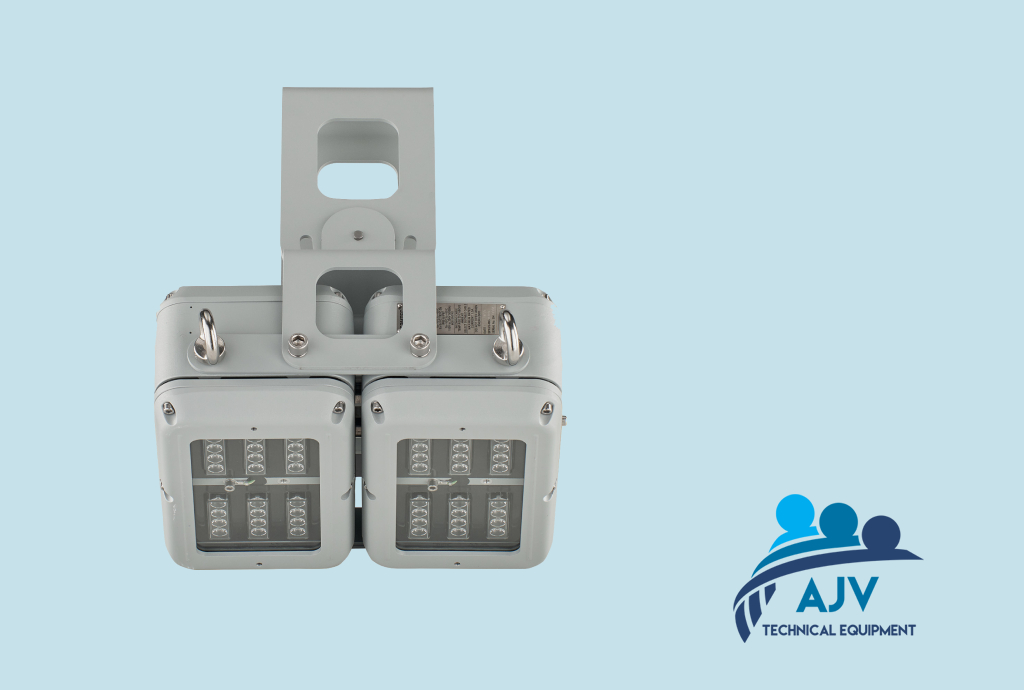
  • Spartan Crane lights for offshore latforms

    Spartan Crane lights for offshore latforms

    The distinctive identifying feature of an offshore oil rig is the platform. The massive steel or concrete structure used for exploration and extraction of oil and gas from the crust of the earth is the offshore platform. They can be installed in the open sea, gulf and even in lakes. But they are always installed many kilometres from the shorelines – hence the name ‘offshore’.

    Offshore structures are used for performing various functions in a variety of environments and water depths. They are used for oil exploration and production, ship loading and unloading, navigation and to support causeways and bridges. 

    Since offshore platforms are always located away from the mainland, lighting plays a crucial role to ensure continuity of operations during the night as well as help workers carry about their daily life in these structures. A variety of lighting fixtures are used for various purposes; one of the most distinctive among them is a ‘Crane Light’.

    What is a crane light?

    Cranes are an integral part of an offshore platform. They are elevating and rotating lifting devices which are mounted on a pedestal. They are used to transfer personnel and materials to or from marine vessels, structures and barges. 

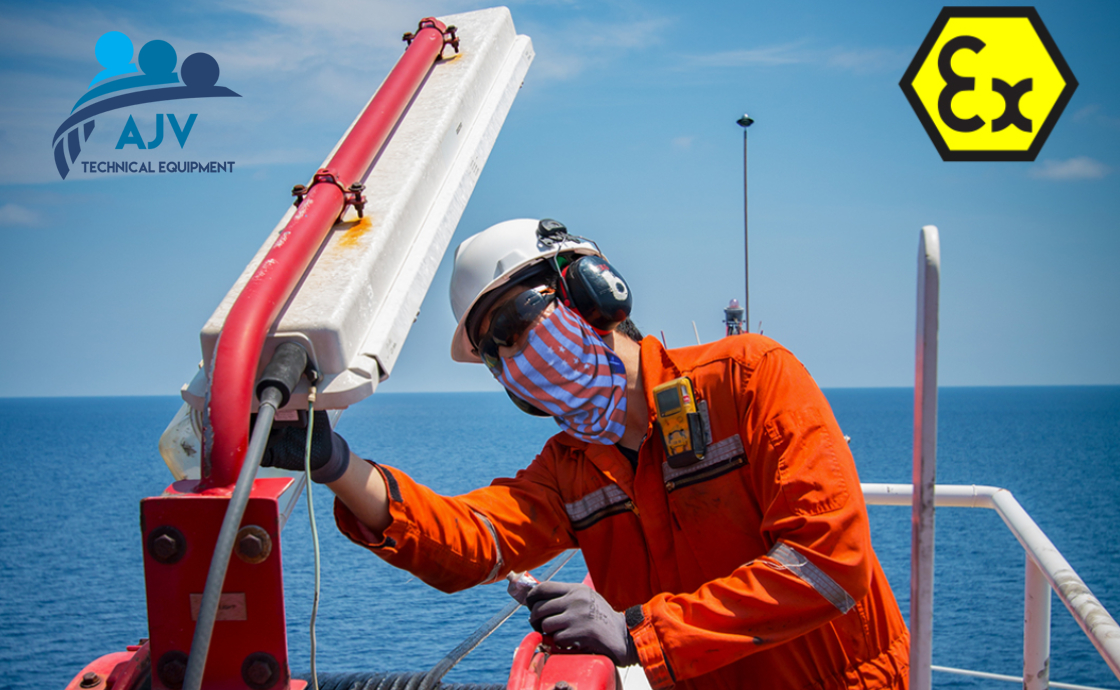
    Crane lights are lighting structures fixed to these cranes which provide illumination to a large area. These lights assist crane operators in their day-to-day operations. Crane lights are fitted with a crane light driver which provides power to crane lights. One crane light drive can power multiple lights of lower wattage at once or supply electricity to one crane light with a higher wattage. They are mounted to a flat surface using mounting holes or a fabricated bracket. 

    Most facilities prefer using LED lighting since they are more energy efficient and environmentally friendly. They require less maintenance than traditional lighting and are highly durable in harsh and hazardous conditions. 

    Since offshore facilities are by default considered a hazardous environment, all crane lights used on an offshore platform have to be explosion proof in nature. 

    SPARTAN Crane Lights for Offshore Platforms

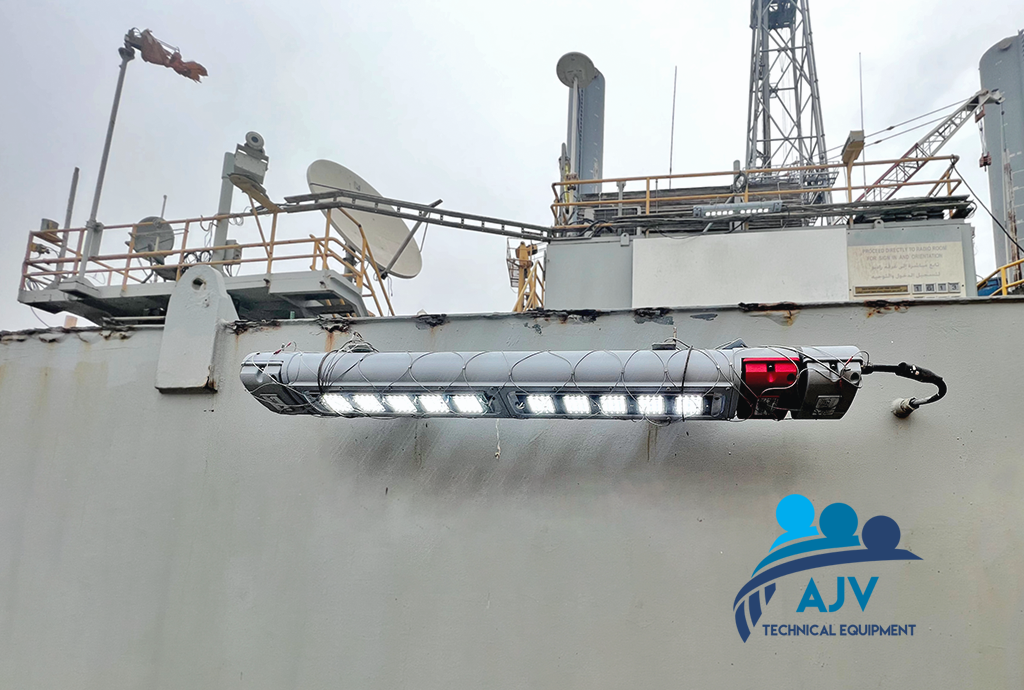
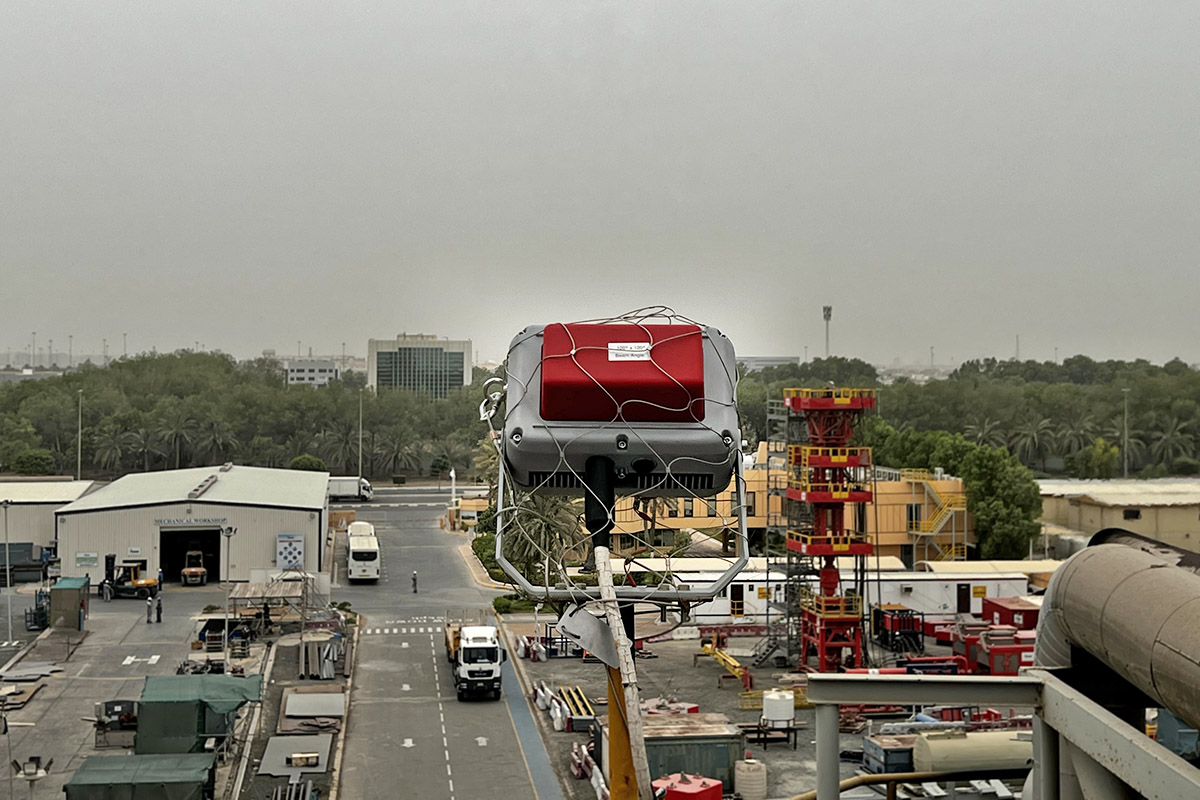
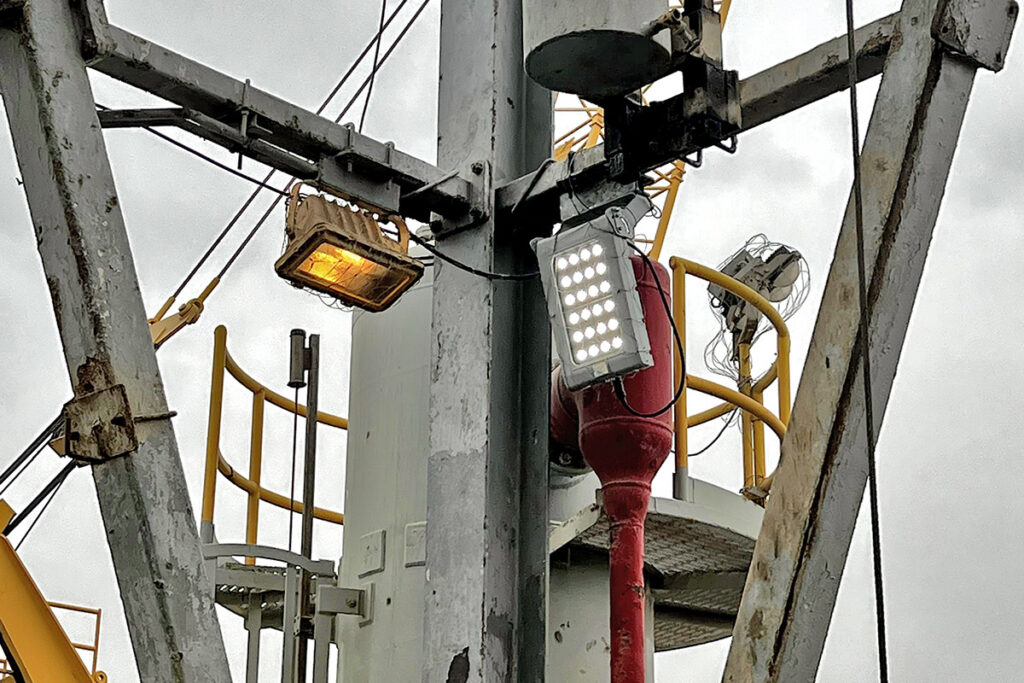
    Raytec’s SPARTAN range of lighting is renowned for its functionality and durability. Raytec has an effective crane lighting solution named Raytec Spartan Crane – FL48C. They are specifically designed for usage on marine and offshore cranes and are ideal for Zone 1 and Zone 2 facilities. They are manufactured to deliver high performance and reliability. 

    These crane lights can deliver up to 16,900 lumens and have been meticulously designed to be highly resistant to vibration. They are fitted with a rotary damper to prevent swinging when the crane boom moves up and down. This also helps to provide targeted lighting wherever required. 

    These crane lightings are manufactured using Raytec’s field-proven, long-life LED technology which provide the lights a lifetime of more than 10 years. They are manufactured in the UK and come with a warranty of 5 years.

    Features of Raytec Spartan Crane – FL48C

    • ATEX and IEC Ex approved
    • Ideal for usage in Zone 1 and Zone 2
    • High lumen output
    • Ultra long-life LED
    • Durable and tough
    • Can withstand a high level of vibration
    • Easy installation and maintenance
    • Wide operating temperature: -50° to +50°
    • 5-year warranty
    • Designed and manufactured in the UK

    SPARTAN crane lights are designed to provide high-quality white illumination for safely operating the crane. They have been designed keeping the safety angle in mind – of the crane operator as well as the personnel working in the vicinity of the crane. 

    Raytec specializes in LED technology and the SPARTAN lighting range has been designed around this technology. They are manufactured to provide high performance and reliability. SPARTAN LED lights are fitted with CoolExtrude™ thermal management technology which enables them to deliver up to 60% better heat dissipation compared to traditional lighting. 

    Crane lights are subject to high vibration. SPARTAN LED crane lights are naturally resistant to vibration. They require very less maintenance, thus resulting in a significantly lower operational cost. 

    SPARTAN crane lights are preferred by businesses worldwide for usage on offshore platforms. Their unique design helps create a safe working environment as well as improve productivity.

  • A Complete Guide to SPARTAN Lights

    A Complete Guide to SPARTAN Lights

    One of the most popular choices of lighting equipment for industrial usage is the SPARTAN range of lights manufactured by Raytec. Through its SPARTAN solutions, Raytec provides a 360-degree solution for all kinds of industrial lighting needs, especially in hazardous environments.

    In this guide, we will take a look at some of the most popular SPARTAN lighting solutions preferred by industries across the world. 

    SPARTAN Linear Lights

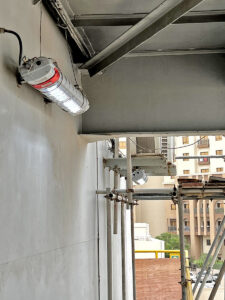
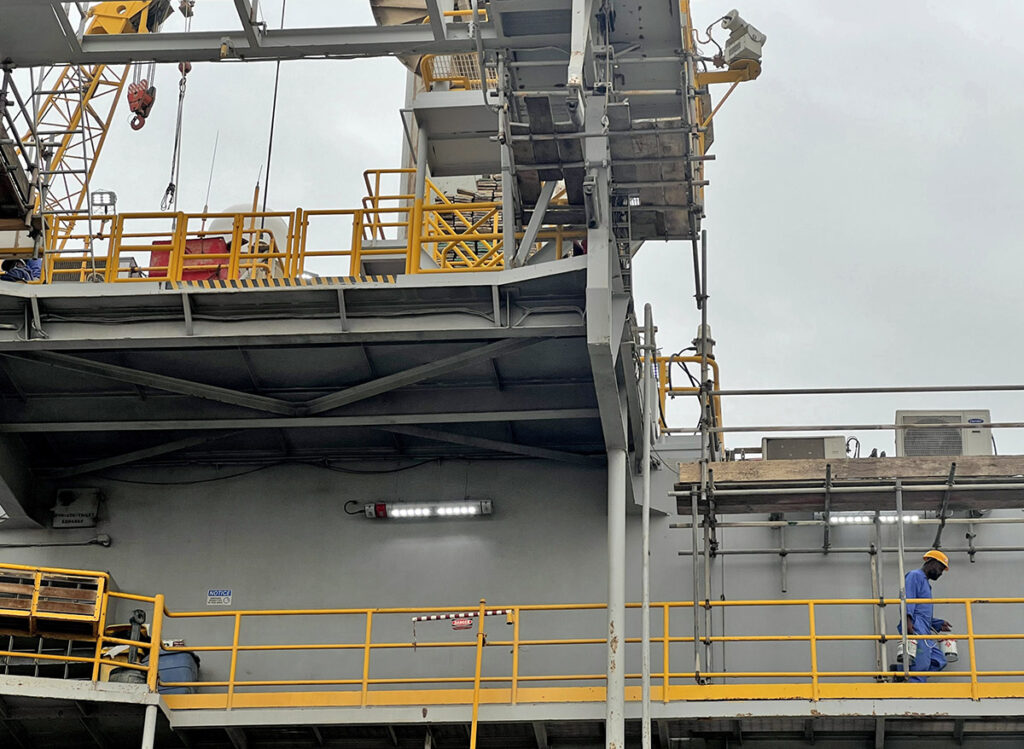
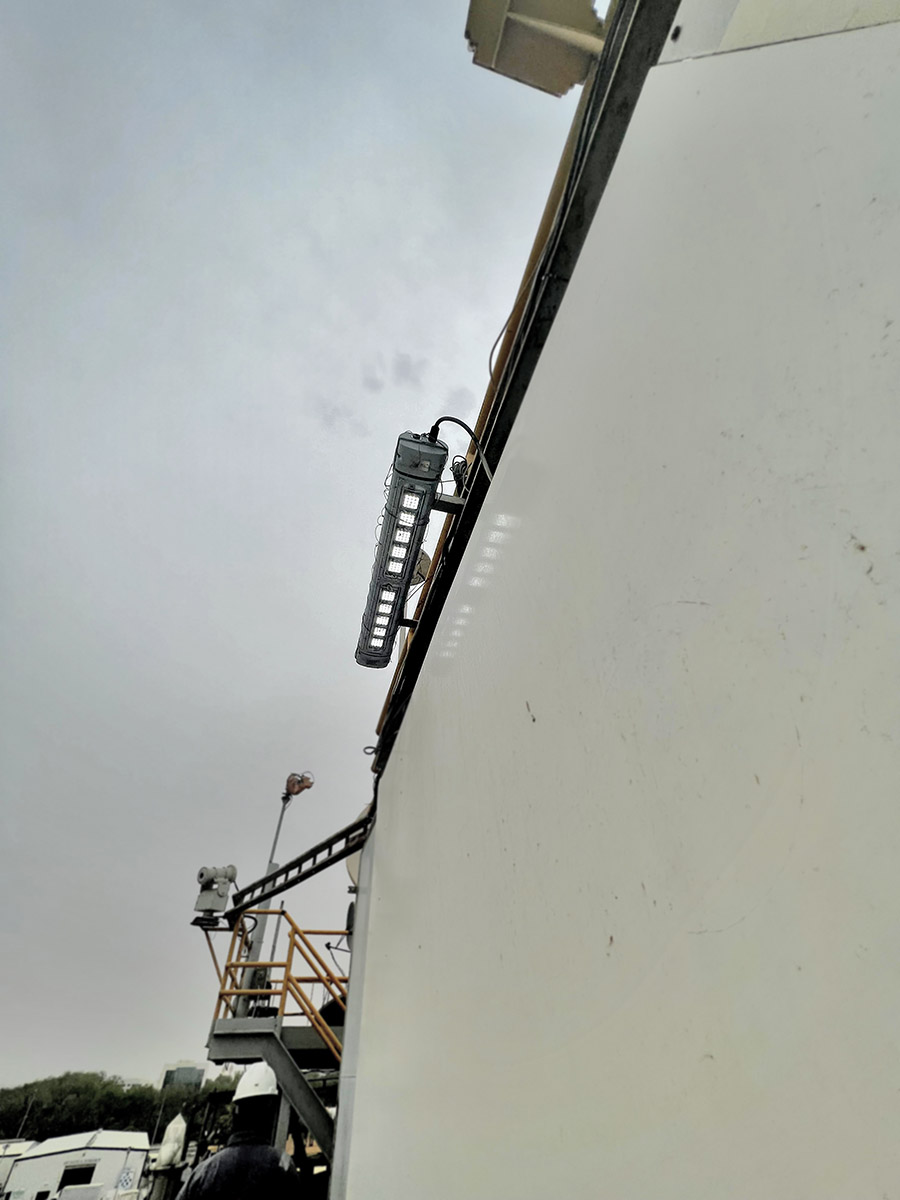
    The SPARTAN linear lighting range is extensive and suitable for installation in all kinds of hazardous areas. They are available in standard and emergency variants and are approved for usage in hazardous environments. Fitted with long-life LED technology housed in marine grade platinum, these lights are suitable for usage in Zone 1 and Zone 2 areas. They are available in a range of sizes – 2 feet, 4 feet, 5 feet and so on. 

    The entire structure of these linear lights is compatible with the commonly used traditional ex fluorescent luminaires. This enables easy upgradation of traditional luminaires with these LED lights, without having to incur unnecessary costs in changing the electrical infrastructure. 

    SPARTAN standard variant linear lights have a unique modular design, which enables them to be converted into the emergency variant, should such a need arise. The emergency variant has a battery self-checking feature which eases the hassles of emergency lighting maintenance – a part of the smart technology of these lights.  

    Significant features of SPARTAN Linear Lights

    • Even illumination
    • Robust
    • Intelligent emergency backup
    • Wide operating temperature
    • Retrofittable
    • Automatic self-testing
    • Easy maintenance

    SPARTAN Flood Lights

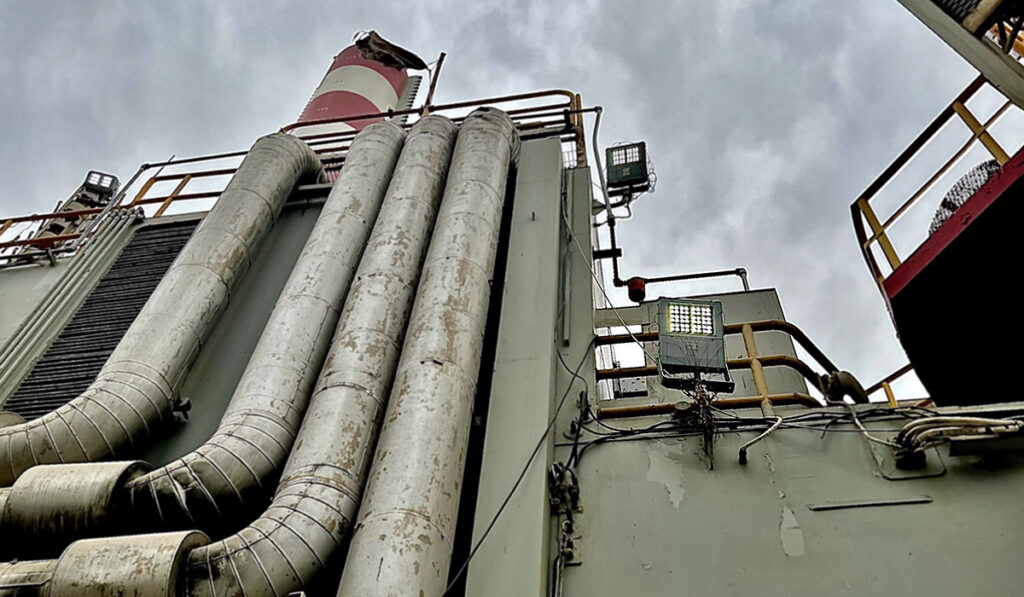
    Raytec has an extensive range of SPARTAN flood lights, a necessity for industries working in hazardous environments. Floodlights help in illuminating large, open spaces. SPARTAN flood lights come in different power variants:

    • FL Flood range: With an output of 4250 lumens to 16,900 lumens.
    • Mid-power flood: With an output of 5,000 to 15,000 lumens.
    • High-power flood: With an output of 20,000 to 25,000 lumens.

    SPARTAN flood lights are also available in the emergency variant. As with linear lights, all SPARTAN flood lights are fitted with LED technology with a life span as high as 10+ years. They are available in different beam patterns, both circular and elliptical. These lights are also equipped with VARIO interchangeable system which allows the user to switch from one beam pattern to another. 

    SPARTAN flood lights are IP 66 and IP 67 rated, approved for usage in hazardous areas and can survive the harshest of environments. 

    Main features of SPARTAN Flood Lights

    • Robust
    • Intelligent driver
    • Wide operating temperature
    • Ultra-powerful
    • VARIO Technology
    • LED technology
    • Emergency backup
    • Flexible installation
    • Easy maintenance
    • Even illumination

    SPARTAN Crane Lights

    Cranes are an indispensable part of marine and offshore infrastructure and are commonly found in Zone 1 and Zone 2 hazardous environments. SPARTAN crane lights are tailor-made to provide much-needed illumination on cranes. These lights are designed meticulously to ensure high-performance, reliability and top-class illumination to ensure safety during crane operations. 

    These lights can deliver up to 16,900 lumens and possess a high level of vibration resistance. They are fitted with a rotary damper to prevent swinging and ensure focussed illumination exactly where light is needed. 

    Leading features of SPARTAN Crane Lights

    • Vibration resistant
    • Ultra-powerful
    • Self-levelling
    • LED friendly

    SPARTAN Bulk Heads

    The bulkhead range of SPARTAN has been specially designed for high performance in hazardous environments. Raytec’s SPARTAN bulkheads are ATEX and IEC ex approved and uses Raytec’s long-life LED technology. 

    These bulkheads are ideal for usage in spaces which are low and compact. They are durable and can survive the extreme environment. SPARTAN bulkheads are available in circular, elliptical and other beam patterns with the capability to deliver illumination up to 2,750 lumens. They are available in the emergency variant as well, fitted with an integral battery backup to provide up to 100% light output under emergency conditions. 

    Prominent features of SPARTAN Bulk Heads

    • Robust
    • LED friendly
    • Intelligent emergency backup
    • Compact
    • Wide operating temperature

    SPARTAN Bay Lights

    Another integral part of Raytec’s hazardous environment lighting solution is the SPARTAN bay lights which have a capacity of 5,000 to 48,000 lumens. They are ideal for use in Zone 1 and Zone 2 areas and are available in a number of variants. 

    They are fitted with field-proven technology and have a lifespan of 10+ years. They are manufactured using CoolExtrude™ thermal management technology, which keeps the LED operating temperature low and provides up to 60% heat dissipation compared to traditional lighting solutions. These lights are also fitted with an intelligent and fully programmable DALI-enabled driver which empowers these lights to seamlessly integrate into your existing lighting infrastructure. 

    Significant features of SPARTAN Bay Lights

    • LED friendly
    • Intelligent driver
    • Ultra-powerful
    • Flexible installation
    • Easy maintenance

    AJV Technical Equipment is a certified supplier of all the above-mentioned SPARTAN variants and much more! Check out our product portfolio today to understand how we can help you with your lighting needs. For more info, check our Spartan Lights Upgrade Guide PDF.

  • A Working Guide on Emergency Lighting Maintenance

    A Working Guide on Emergency Lighting Maintenance

    An important aspect of any industrial facility, irrespective of its nature of work, is emergency lighting. It is especially important for factories which work in a hazardous environment.

    Importance of Emergency Lighting

    The importance of emergency lighting lies in the variety of functions that it performs. As the name suggests, this kind of lighting is crucial for situations that can appear unannounced. They are an indispensable part of a local or regional evacuation plan and are sometimes used as part of a larger disaster response plan. In a hazardous environment, emergency lighting provides illumination when the main power source has failed to ensure the smooth functioning of all operational aspects. 

    You can learn more about emergency lighting and its importance in our article A complete guide to emergency lighting.

    Importance of Emergency lighting maintenance

    Non-emergency luminaires are used under normal circumstances. Hence, any faults arising in these lighting fixtures are easier to understand. There will be a loss of light output, which can then be fixed. 

    However, emergency lights are used under circumstances that are special and unforeseen. There may be dire consequences if they fail to perform properly. Moreover, since emergency lighting fixtures are not used regularly, identifying any faults in them can be difficult. 

    Herein lies the importance of conducting regular maintenance of such kinds of light fixtures. It is a good practice to have a documented testing procedure for conducting regular emergency lighting maintenance. 

    Regular emergency lighting maintenance not only ensures these kinds of lighting perform their main functions of providing illumination during unforeseen circumstances, but it also ensures that these lighting fixtures perform at their best, should such needs arise. 

    Methods of emergency lighting maintenance

    Most hazardous areas use LED lighting nowadays, which has a longer lifetime. Although this means even the emergency luminaires have a longer life, frequent inspection and testing can elongate their life further. 

    Most emergency lighting systems derive their power from a battery storage system. Batteries are consumable items with a requirement to be replaced every 5-7 years. Their longevity is largely dependent on how well they are maintained. 

    Generally, emergency lighting maintenance involves 2 important steps:

    1. Emergency lighting storage

    Emergency lighting fixtures are not used during day-to-day operations. Their usage is limited to emergencies only. Hence, they need to be stored during normal operations. 

    Proper storage is important since this ensures the longevity of the lighting components. It is important to store the emergency lights in an area that will not be exposed to extreme temperatures or moisture levels. They should also be checked regularly for corrosion or damage so that any issues that may arise can be taken care of immediately. 

    The batteries can get discharged if left connected to the system, which can stunt their performance significantly. Hence it is better to keep unused batteries disconnected to prevent drainage. Storage-battery systems should be tested according to their manufacturer’s recommendations.

    2. Inspection and testing 

    Regular inspection and testing are an integral part of maintenance since this increases the longevity of the battery. The extent of such inspection and testing depends on the specification of the battery and the requirement of cycling the battery in normal operations. 

    For example, some manufacturers may ship emergency luminaires with the battery fully charged and disconnected. The battery manual may require the user to discharge the battery and then recharge it again to optimise the performance of the battery. However such requirements may vary from one manufacturer to another. 

    Testing of emergency lighting should be conducted regularly. This involves switching off the main power source and turning on all emergency lighting to check if they are working properly. This can help avoid chaos and confusion when an actual emergency arises.

    The dos and don’ts of emergency lighting maintenance

    To sum up, let us take a look at some of the dos and don’ts:

    Dos

    • Before installation of emergency lighting fixtures, check if they have any specific conditioning procedures. 
    • Establish a testing procedure which meets the maintenance requirement of the battery or the luminaire. 
    • Establish a consistent power source for the luminaire to keep the battery charged. 
    • Always ensure replacement batteries have the hazardous area certification. 

    Don’ts

    • Leave the battery connected to the luminaire while in storage. 
    • Assume the performance of the battery or the luminaire will remain consistent over the years. Batteries are consumable items and their performance diminishes over time. 
    • Charge the batteries using other power resources, apart from the PSU provided by the unit. 
    • Purchase replacement batteries from other sources. Replacement batteries must always be purchased from the manufacturer of the batteries.
  • All you need to know about Tank Farm Lighting

    All you need to know about Tank Farm Lighting

    Storage tanks or tank farms are an indispensable component of facilities such as chemical processing plants, petrochemical factories, distilleries and similar work environments. These storage tanks hold materials which although indispensable in the manufacturing process, generally are hazardous in nature such as hazardous liquids and compressed gases. 

    Tank farms can be of varied sizes having different capacities for storing liquids or gases. In most cases the materials stored in them are inflammable. A fire, caused by any reason such as lightning, is difficult to control, once started. It not only puts the material inside the tank in danger but also risks the lives of the people who work in the same environment. The amount of pollution generated through such a fire as well as the economic damage can be incredibly high.  

    Hence, immense attention needs to be provided to several aspects of storage tanks.

    Building a tank farm

    By its nature, a tank farm stores heavy items. Hence, it should be built on a good load-bearing ground or the foundation must be piled properly. Health and Safety Executive, UK recommends selecting the location of a tank farm carefully. It should be placed at the boundary of any facility, away from on-site buildings and any sources which may have a potential for igniting.

    The Health and Safety Executive also recommends building a tank either above or below the ground. Building a tank below the ground is usually disfavoured since monitoring a leakage becomes difficult. Hence, most storage facilities have tanks built above the ground.

    The lighting of tank farms

    Since the materials contained in storage tanks are inflammable, special emphasis on safety is essential. This involves monitoring them round the clock. 

    While tank farms can be built away from other facilities of the industrial unit to ensure minimal damage in case of any mishap, proper lighting of the farms is of crucial importance. This helps in effective monitoring of the tanks for potential leakage as well as helps in regular maintenance and cleaning of the tanks. 

    However, wherever there is lighting, there is a scope for ignition. This is why lighting needs extra attention. 

    Here are the top three this that needs consideration: 

    1. The number of light levels required. This depends on the height, width and length of the structure. 

    2. The arrangement of light units at each level and the number of lights to be installed. This should be done to ensure that every angle of the tank is visible in azimuth. 

    3. The installation should provide a complete understanding of the entire structure of the buildings. 

    To adapt to the inherently hazardous nature of tanks, all lighting should be LED. LED lighting not only offers safety, but they are also low maintenance and contribute to CO2 reduction. A variety of LED lighting is available in the market today to cater to different kinds of tank farm lighting needs. Their environmentally friendly nature has contributed to their popularity for illuminating hazardous areas. 

    Lighting specifications for tank farms

    No matter which industry storage tanks are used for, their lighting requirements remain more or less the same. Here are a few rules of thumb that one can follow for designing a lighting system for a tank farm:

    1. Low-intensity lights are ideal for structures with a height of less than or equal to 45 metres for night-time use. Medium to high-intensity lights should be used only if the low intensity is found to be inadequate.

    2. A, B or C Type medium intensity light should be used for lighting structures between 45 metres to 150 metres high. Type A and C can be used as a stand-alone structure, while Type B can be used in combination with LIOL-B.

    3. High-intensity type A is ideal for objects more than 150 metres high. An aeronautical study has indicated that not just at night time, such lights are essential for the recognition of objects during the day as well.

    Here is more specific guidance on lighting for tank farms based on the lux levels of tank farms.

    ApplicationTypical UseHorizontal Illuminance Eave (LUX)Horizontal Illuminance Emin/EaveRaGlareNotes
    Processing Areas>300> 0.5> 70> 50Indoor
    High-risk Filling Areas>300/50*> 0.5> 70> 50Outdoor*
    Low-risk Filling Areas>100> 0.5> 70> 50
    WalkwaysTransit>100/50*> 0.5> 70> 50Outdoor*
    Stairs & LandingsTransit>100/50*> 0.5> 70> 50Outdoor*
    Sludge Chambers>300> 0.5> 70> 50
    Emergency LightingHigh risk15% of normal illuminance

    Types of lighting for tank farms

    Tank farms usually require both portable and fixed explosion light fittings suitable for Zone 0, Zone 1 and Zone 2 areas. AJV Technical Equipment has a wide portfolio of tank farm lighting solutions which include:

    • SPARTAN Linear Zone 1 lighting – 2 feet and 4 feet
    • SPARTAN  Linear Zone 2 lighting
    • Pendant light fitting
    • High power floodlight for Zone 1
    • SPARTAN Linear Zone 1 emergency lighting
    • Others

    Our portable Zone 0, Zone 1 and Zone 2 lights are suitable for tank cleaning and maintenance while pendant lights, food lights and linear fixtures are ideal for external lighting. All our light fittings for tank farms are certified to be used in an explosive environment. 

    Please keep in mind that the lighting specifications mentioned in this article are only a general guidance matrix. Every facility will be unique and will have its specific requirement. It is important to design the lighting system based on the definite requirement of a facility.

  • Safety Lighting on a Jack-Up Rig – A Case Study

    Safety Lighting on a Jack-Up Rig – A Case Study

    Jackups are one of the most popular kinds of mobile offshore drilling units used for offshore exploration and development. With the installation of the first jack-up in 1954, today, hundreds of backups are installed around the world.

    Jackups provide a stable drilling environment as compared to other types of offshore drilling rigs. With a capacity to drill up to 350 feet of depth, jack-ups are a great solution for deepwater drilling. One of the distinguishable aspects of jack-ups is the floating ability of their legs. When the legs are not deployed, jack-ups can float, which helps in the easy transportation of these mobile drilling units. Jackups can be conveniently transported through tug boats and submersible barges.

    Lighting requirement of a jack-up rig

    Being an oil rig, jack-up rigs intrinsically constitute a hazardous environment. Hence, immense attention has to be provided to lighting every angle of a jack-up rig keeping the safety aspect in mind.

    For example, apart from the nature of its operations, installation in the open sea area adds additional danger to this kind of rig. Lightning events have been on the rise across the world. Operating in the open sea, jack-up rigs inherently contain the risk of being struck by lightning. This can be dangerous not only to the installation but to the workforce present on the rig.

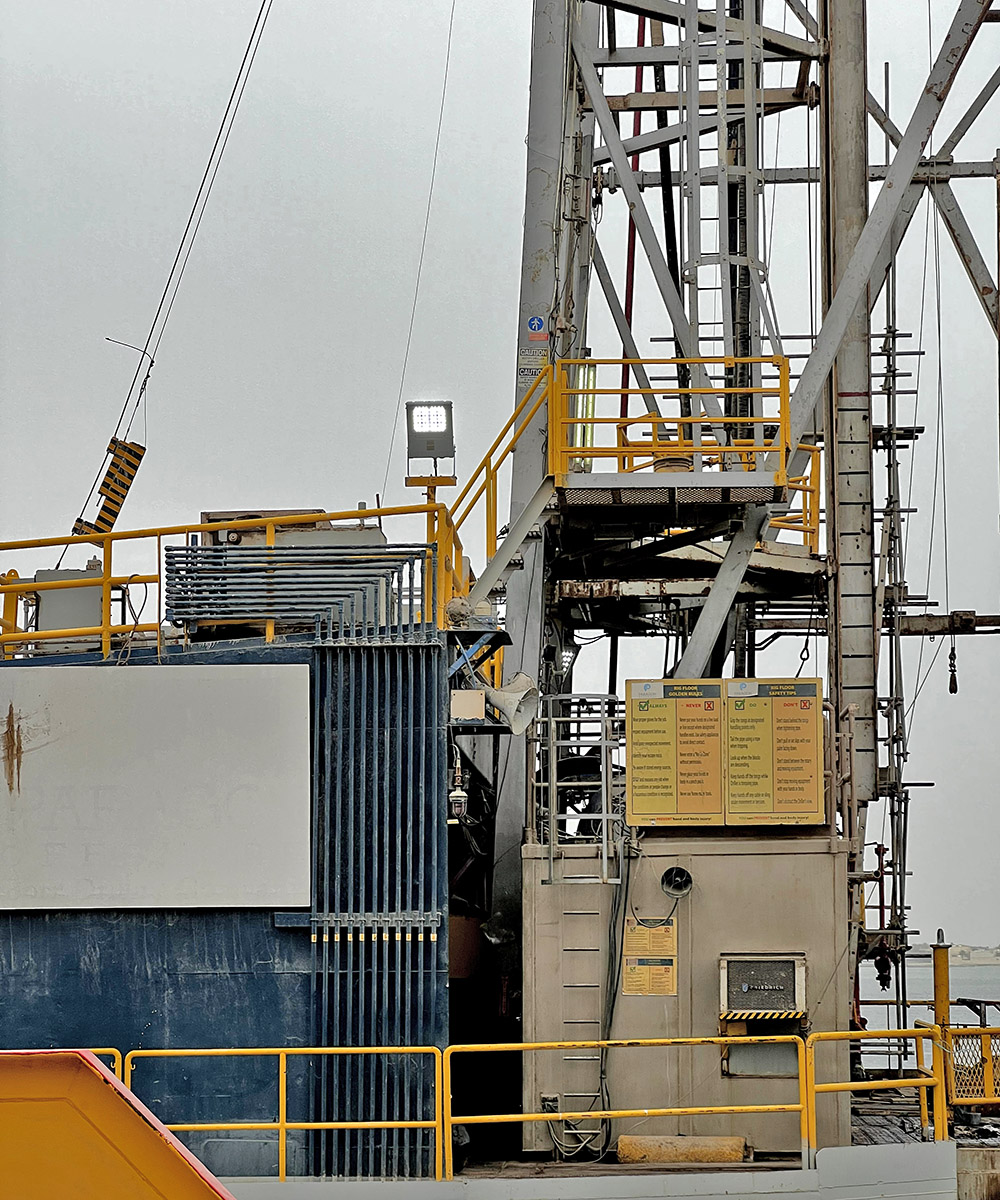
    AJV Technical Equipment possesses extensive experience in supplying and installing light fixtures for jack-up rigs, including numerous newly installed rigs in the United Arab Emirates. These products like flood lights, linear lights and emergency flood lights have increased safety on the rig as well as provided emergency lighting solutions onsite as well as for lifeboats and life raft deployment. All our products are easy to maintain, thus offering an extended operating life.

    Emergency lighting solutions for jack-up rigs

    Emergency lighting is of crucial importance, not just for jack-up rigs but for all kinds of oil rigs. You can learn more about it in our article The importance of safety lighting in offshore platforms.

    One of the primary emergency equipment on a jack-up rig are the lifeboat and life raft deployment systems. They are critical to safety and hence special attention needs to be provided to their source of lighting. The lighting solution has to be reliable as well as of high quality.

    Emergency lighting enables safe access to the lifeboats as well as their safe launching and deployment. However, it is essential to remember that all this is done during a situation of emergency when in most cases there is no power on the rig. Not to forget an oil rig is inherently a hazardous environment.

    This poses a challenge to equip these lifeboats with emergency explosion proof lighting that would provide an uninterrupted and reliable source of illumination without the main or emergency power generators. The battery is of crucial importance in such cases because it has to provide sufficient power to evacuate the jack-up rig.

    The solution: AJV Technical Equipment has a range of highly reliable emergency lighting solutions from Raytec designed specifically for hazardous environments. Raytec’s SPARTAN Flood range is white light illuminations delivering 8,450 to 16,00 lumens with emergency battery backup. The flood range is fitted with SPARTAN’s time-tested long-life LED technology with a proven track record of 10+ years of lifetime and a 5-year warranty. These lights are powerful enough to illuminate the rig’s entire lifeboat system as well as the walkways onboard the rig.

    As per traditional technology, a separate UPS system is required to account for a unit’s high power draw. However, fitted with advanced LED technology, Raytec SPARTAN’s emergency battery module is compact to accommodate the requirement of an entire unit. It also uses 65% less power than traditional lighting equipment with little or no requirement for maintenance. They are very functional and are a great replacement for traditional lighting alternatives.

    SPARTAN’s emergency floodlights are available in two variants – FL24 and FL48 and have emergency battery backup. The FL48 light provides up to 10,000 lumens and has been acknowledged for its emergency and high-power capabilities.

    Other lighting options for jack-up rigs

    Apart from emergency floodlights, AJV Technical Equipment has a range of other smart products suitable for jack-up rigs:

    Raytec’s Spartan zone 1 Mid-power floodlight and bay lights

    This range is a new product offered by Raytec, suitable for usage in Zone 1 and Zone 2 hazardous areas. They are available in a variety of power outputs and choice of beam angles:

    1. SPARTAN mid-power flood Zone 1
    2. SPARTAN mid-power bay Zone 1
    3. SPARTAN mid-power flood Zone 2
    4. SPARTAN mid-power bay Zone 2

    With 5,000 to 15,000 lumen output, the SPARTAN mid-power range is acknowledged for its outstanding performance as well as flexibility. They are fitted with marine-grade aluminium and are robust, easy to install and require very low maintenance.

    5. WARRIOR mid-power flood industrial

    6. WARRIOR mid-power bay industrial

    These are heavy-duty industrial variant flood lights and bay lights suitable for a wide range of areas.

    SPARTAN Zone 1 linear

    SPARTAN linear luminaires are renowned for their usability and performance. With newer improvements and new features, these linear lights have a high amount of durability as well as new beam angles.

    The benefits of using Raytec products

    Clients from across the world ask us a pertinent question, “Why Raytec products?”. AJV Technical Equipment is renowned for providing value to its clients and Raytec  products have been carefully chosen based on the following benefits:

    1. They provide an easy transition between standard mains operation and emergency mode.
    2. All Raytec SPARTAN LED products are fitted with an instant restrike feature which means during a power outage, emergency power is instantly switched on in a luminaire, thus reducing the blackout period.
    3. SPARTAN products are resistant to short-term voltage drops, a significant disadvantage of traditional lighting fixtures.
    4. The products are flexible and feature-rich, balancing output levels and length of lighting perfectly.
    5. They require low maintenance, thus saving cost and manpower.
    6. All SPARTAN products come with a 5-year warranty and have a lifespan of 10+ years.

    AJV Technical Equipment is one of the world’s leading suppliers of industrial lighting products. Visit our product portfolio to view our entire range.

  • Intrinsically Safe vs Explosion Proof Lighting?

    Intrinsically Safe vs Explosion Proof Lighting?

    Safety in the workplace is a major concern, especially if the business operates in a risky environment. Not paying adequate attention to safety can be disastrous, not only for business operations but also for workers’ lives. Hence, businesses across the world take extensive measures to ensure workplace safety.

    Extra attention is paid to safety in a hazardous work environment such as an oil rig, a chemical factory or a textile mill. An area is categorized as a hazardous area when there is a presence of flammable materials such as gases, liquids, vapours, dust, fibres and other similar kinds of materials.

    One of the areas where businesses put immense thought when it comes to safety, is lighting. And the two most commonly used lighting in such areas as intrinsically safe lighting and explosion-proof lighting.

    Intrinsically safe lighting

    As the name suggests, intrinsic safety is a method of designing equipment used in hazardous areas so that the risk of inflammation is reduced. This is done mainly in two ways:

    1. Reduction of available energy to such an extent that it does not cause any ignition. This can be achieved by keeping the temperatures low and preventing sparks.

    2. Design systems so that oxygen is excluded and possible sources of ignition are isolated. This can be achieved by putting equipment in strong enclosures so that the explosion can be contained. Hence the lighting equipment is fitted with a barrier. In general, two kinds of barriers are used in intrinsically safe lighting:

    a. Zener barriers which have Zener diodes to divert excess energy to earth.

    b. Galvanic isolators which provide isolation between the circuits between the hazardous area and safe area by using optoisolators, relays and transformers.

    These low-powered lightings get their power from batteries or rechargeable batteries. They can be in the form of low-voltage bulbs, LEDs, halogen flashlights and high-intensity discharge lights. The main intention of manufacturing these lights is to reduce the chances of sparks which can cause explosions in a hazardous atmosphere.

    Permanent light installations may also be fitted with an intrinsically safe device. However, such installations should have detectors/sensors with relatively low-power devices. Installations outside hazardous areas may also contain intrinsically safe barriers. These barriers limit the amount of energy available to the device located within the hazardous area.

    Explosion-proof lighting

    Explosion-proof lighting, on the other hand, is more advanced in nature. Also known as Ex Lighting, in these products, the lighting fixtures are encased inside a thick glass frame so that any spark or ignition caused by the flammable materials is contained within the thick casing. The thick frame also contains complex blockages which make these light fixtures strong and durable.

    The variety of lighting fixtures available in the explosion-proof category is quite high. Ex lighting can be fixed or portable and can be used in a variety of areas.

    You can get an in-depth understanding of ex lighting from our following blogs:

    Intrinsically safe lighting vs explosion proof lighting

    Since both these kinds of lighting are used in hazardous areas, it is important to understand the difference between the two:

    Functionality: Intrinsically safe lighting limit the energy used within the circuit. Ex lighting, on the other hand, contains an explosion within the lighting fixture.

    Power: In intrinsically safe lighting the entire power system is controlled and limited within a range. This limits the usage of this kind of lighting up to a specific level of power. Ex lighting has a lesser limitation of power and therefore is more versatile as compared to intrinsically safe lighting. In fact, some ex lightings are quite high powered, yet safe to be used in a hazardous area.

    Wiring requirement: Intrinsically safe lighting has less complicated wiring. It usually does not contain seals or conduits. However, they require an intrinsically safe barrier. The mechanism of ex lighting is much more complex and requires seals and conduits to isolate the circuit from hazardous gases.

    Maintenance: Intrinsically safe lighting can be maintained live. There is no need to shut down the system for maintenance. Ex lighting, on the other hand, cannot be serviced live. The enclosure cannot be opened while powered.

    Costing: Intrinsically safe lighting is cheaper than ex lighting.

    The use of intrinsically safe lighting and ex lighting is completely dependent on the grade of the hazardous area and its safety requirement. Both kinds of lights have their own functionality and are extremely useful in specific circumstances.

  • A complete Guide to Emergency Lighting in Hazardous Areas

    A complete Guide to Emergency Lighting in Hazardous Areas

    The words ‘hazardous area’ themselves send us in a state of alert. And when the words ‘emergency lighting’ is combined with it, we cannot help but put our total attention to it.

    Yes! Emergency lighting in a hazardous area is a serious aspect which demands complete attention. Read on to learn various aspects associated with it.

    Why is emergency lighting important?

    Emergency lighting of hazardous areas is a critical aspect. A hazardous area is a space with a high risk of explosion due to the presence of gas, dust and other flammable materials such as an oil rig, chemical plant, garment factory and others. Emergency lighting activates when there is a power failure in a hazardous area due to any reason.

    Most hazardous areas (such as oil rigs) are characterized by an unstable power supply. This increases the importance of emergency lighting all the more. When the mains/AC power source fails, emergency lighting provides the much-needed illumination, thus ensuring the continuation of normal operations.

    The other aspect which makes emergency lighting an indispensable aspect of hazardous areas is safety. Safety is of utmost importance in these areas, which contain a high risk of accidents. When the main power is lost, the chances of accidents and injury rise significantly. This is where emergency lighting comes into play helping the workforce to operate safely.

    Things to look for while choosing emergency lighting

    Deciding on an emergency lighting system for a hazardous area is not an easy task. Several aspects need to be considered while making the decision.

    a) Performance of luminaire

    The most common ways to measure the performance of a luminaire are its duration of illumination and light output provided during an emergency operation.

    1. Duration: By duration, we mean how long an emergency light source can provide illumination when the original power source fails. Most emergency lighting is powered by a battery which has a limited power source. This means that they can provide illumination only for a limited period until the main power source comes back or an area is illuminated. The required time for any of these operations may vary from one site to another. Hence, it is essential to understand the requirement and choose the emergency luminaire which meets the requirement.
    1. Output: The output of an emergency light source is equally important. Each operation in a hazardous area will have a minimum light requirement, no matter what the source of light is. Hence, when the main power fails, the emergency power should be able to provide this minimal level of lighting. Moreover, various operational aspects may have emergency lighting standards, which the emergency light should comply with.

    b) Other factors

    Apart from performance, one should consider a few other factors as well:

    1. Instant restrike: The term emergency means that such situations arise without any warning. In such cases, the emergency luminaire should be able to light up instantly. Any delay may cause crucial loss to human lives and property.
    2. Maintenance: Emergency light sources usually require more maintenance than non-emergency lighting mostly because we want them to be ready for use all the time. However, the amount of maintenance required should not be unnecessarily high.
    3. Presence of visual aids: The presence of visual aids is a great way to decrease the effort of maintenance of an emergency light source. A self-testing feature indicating the health of the battery can be of great help to the maintenance team.

    Maintenance of emergency lighting

    While we are on this subject, let us see some important aspects related to the maintenance of emergency lighting.

    Inspection and testing

    We have mentioned earlier that routine maintenance of emergency light fittings is of extreme importance. Inspecting and testing them is the best way to do so. If done frequently, inspection and testing can improve the performance of the emergency battery and preserve its life significantly. This will also eradicate the chances of the emergency luminaire not working during an emergency – a situation which should be avoided at all costs.

    Storage

    Another significant aspect related to maintenance is storage. These lights are used only when the main power source fails. And such incidents may not occur often. Hence storing the lights correctly is of immense importance.

    However, one risk with not using emergency luminaires often is the risk of the battery getting discharged. And this can stunt the battery performance and life significantly. Hence, disconnecting the batteries while storing them can help combat this issue. It will prevent the battery from getting drained out.

    Putting special care into choosing and maintaining the emergency lighting system can pay off in the long run. Emergencies require serious attention, and so does emergency lighting.

  • Lighting Solutions for Agricultural Enterprises and Animal Farms

    Lighting Solutions for Agricultural Enterprises and Animal Farms

    Lighting plays a significant role in agriculture. It is common knowledge that plants rely on photosynthesis to grow. However, photosynthesis is dependent on sunlight, which is only available for limited hours in a day. Moreover, the availability of sunlight is highly dependent on the weather as well as seasonal conditions.

    This is where lighting solutions come into play. The good news is that specially manufactured LED lights have proved to be extremely beneficial in boosting plant growth. Artificial LED illuminations, available in the market, are increasingly being used by fruit and vegetable farmers across the world. Taking a queue from agriculture, lighting solutions are increasingly being used by animal husbandry firms as well.

    Agricultural farm and lighting

    Enhancing artificial lighting can help plants photosynthesize even when sunlight is not available, resulting in crop growth. To be honest, this is not a radically new idea. Traditionally, farmers have used fluorescent lamps, metal halide lamps and high voltage sodium lamps to achieve artificial photosynthesis. However, the results were not satisfactory. While a massive amount of power is required to get plants to photosynthesize artificially, excess radiation can also be harmful to plants.

    LED technology has come to the rescue of farmers facing such issues. Not only are they more energy efficient, but also help decrease the waste of energy. Different plants require a different spectrum of lighting at different stages of their growth. LED lighting can help in this by regulating different colours, spectra and flexibility. This, in turn, accelerates plant growth by utilizing the energy more efficiently.

    The benefits of using LED lights in agricultural facilities include:

    • Activating plant growth.
    • Improving the colour, shape and taste of crops.
    • Reduction of energy costs.
    • Achieving year-round production.
    • Controlling crop production, especially during poor weather conditions.
    • Achieving maximum efficiency of a greenhouse.

    A detailed understanding of the mechanism

    So, let us get an even deeper understanding of how LED helps agricultural and animal husbandry enterprises.

    Varying energy ratios of different types of colour spectrum attract different responses from plants. This affects plants’ shape, nutritional value and taste. It also affects plant growth and the flowering process. In addition to this, appropriate humidity, temperature, carbon dioxide in the air and irrigation have major effects on the overall health of plants.

    Lighting is of crucial importance when it comes to the health of crops. Lighting controls various growth phases and their intensity as well as fruit formation, fruit ripening and flowering. The quality of light also affects plant shape. The light-air ratios combined with the appropriate light spectrum have an immense impact on crop production and growing season.

    Elucidated below are the effects of different spectrum of light on different aspects of a plant’s health:

    Red: Red light accelerates stem growth as well as is used by plants for photosynthesis. The lack of red spectrum causes stems to be elongated and stretchy. As per evidence, a higher amount of red light stimulated the production of tomatoes.

    Blue: Plants use this spectrum for phototropism. It helps plants redistribute growth hormones and adapt their shape as per the light intensity and direction. It enables plants to use light as efficiently as possible.

    Green: Well, this is virtually useless since most of the energy in the green light is bounced back by a plant’s green leaves.

    Lighting solutions for livestock farming

    Like ventilation, heating and cooling, proper lighting is one of the most important things in a livestock farm. It can have a direct impact on the animals’ well being, comfort and physiological response.

    One of the key features of any livestock farm such as cow barns, pig farms, poultry farms, stables and others, is the presence of high levels of ammonia and other chemicals in the air. Hence, the lighting solutions used in these kinds of facilities need to have exceptional ammonia and chemical resistance.

    How does lighting affect animals?

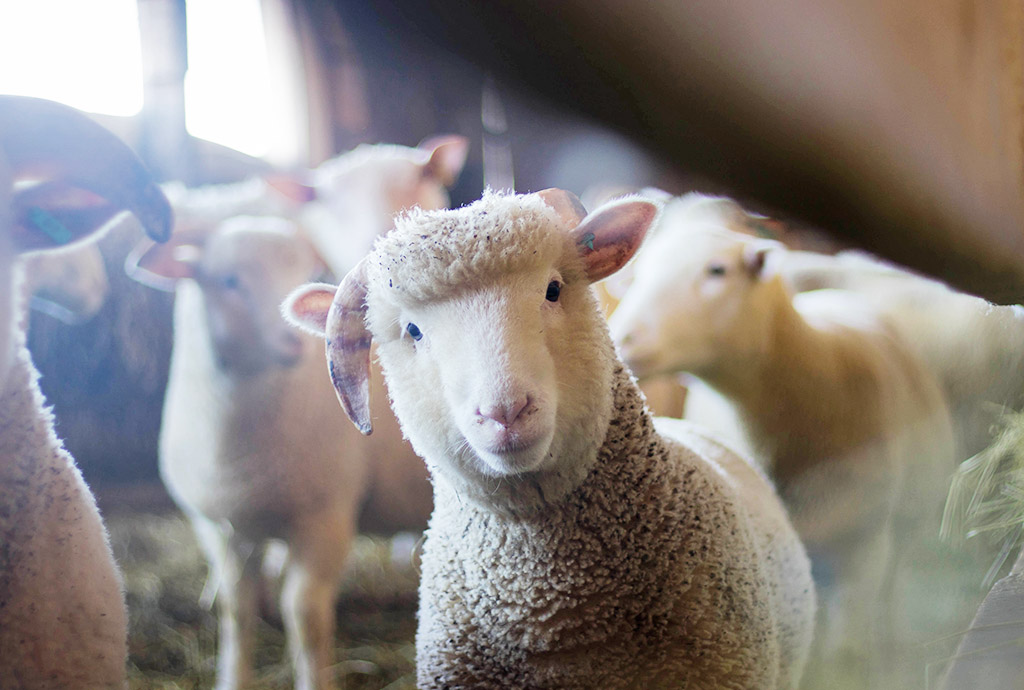
    Lighting has a far-reaching effect on the behaviour of animals. For example, improper illumination in a poultry farm affects the behaviour of hens adversely, resulting in aggression, stress and even cannibalism. Needless to say, this can have a major impact on the profitability of the farms.

    Blue light is of immense importance to a poultry firm. It can stimulate the growth of hens. It can also assist in sexual development by increasing the levels of plasma androgens. When hens are exposed to blue light, they consider the room to be dark. This makes them calm and reduces their stress considerably.

    For livestock, on the other hand, white light is more important because it boosts their circadian rhythms. This, in turn, ensures proper working of all their organs as well as regulates their body temperature, blood pressure, energy consumption, and digestive and immune system. Hence, choosing light fixtures with white light can enable a livestock farm to rear healthy animals.

    When it comes to lighting an agriculture and animal husbandry enterprise, paying attention to detail is crucial. The right choice can have far-reaching effects on production and sustainability. 

  • The Challenges of Lighting Confined Spaces

    The Challenges of Lighting Confined Spaces

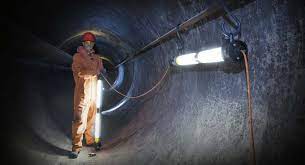
    Image of man setting up lighting in a confined space
    Lighting in Confined Spaces

    Lighting a small area is challenging, more so if it’s a confined space. Such areas provide limited space to conduct regular activities and proximity to conductive materials pose an immediate risk to the workers.

    Imagine the threat that a torn 110-240V (standard mains supply) cable can pose to anyone entering a confined space. We shudder to even think about it.

    Confined spaces such as small vessels, tanks, offshore platform separators, etc. require a special kind of attention, especially when it comes to lighting.

    The solution lies in low voltage lighting, which we will discuss in detail in this article. However, first, let us understand what we mean by low voltage.

    Understanding low voltage

    As per International Standard IEC60364-4, anything below 50VAC is low voltage, the level below which one is unlikely to suffer an injury when exposed to the current. This voltage is in fact classified as ‘extra-low voltage’ in technical terms. But in everyday terms, this is referred to simply as low voltage.

    Low voltage and confined spaces – a brief overview

    The main risk of entering a confined space is a worker’s proximity to anything conductive if there is a supply of electric current in that area. A simple torn cable of 110-240V can cause electrocution and possibly even death.

    When we think of any area which can pose such a hazard, we automatically think of explosion lighting equipment. However, it is essential to remember two things in this regard:

    1. Not all confined spaces are explosion zones, although they might require special kinds of electrical equipment. In fact, some confined spaces such as pressurized tents on rigs may not present electrocution risks at all.
    2. Low voltage lighting and ex-certified lighting are not the same. Some low voltage lighting may not be safe to be used in an explosion-prone hazardous area.

    The most commonly used low voltage confined space lighting across the world are 12, 24 and 48VAC lights.

    Using low voltage lighting equipment in confined spaces

    In the last few years, the most commonly used low voltage equipment is 12 VAC and 24VAC. However, for temporary lighting, sometimes 48VAC is used, which, although of a higher voltage, is safe from electrocution. In turn, they provide considerable flexibility for setup. For example, the lighting arrangement can be extended by linking luminaries in a chain.

    However, keeping the flip side in mind is also essential. Low voltage equipment has lower efficiency. These linked luminaries and cables cannot be more than 66 meters long. Setting up lower voltage lighting can pose such kinds of implementation and efficiency-related challenges.

    Types of low voltage lighting for confined spaces

    So, what are the options available to us for lighting confined spaces? By nature, quite limited, although all of them are quite useful.

    Cordless confined space lights: As the name specifies, these are portable lights which can be carried by anyone entering a confined space. This includes handheld lamps, handheld spotlights, safe flashlights, etc. The power supply for these comes from a battery pack and not a corded power source.

    Corded confined space lights: These may or may not be explosion-proof lights. Some corded confined space lights are approved for use in wet locations. The lights are connected to a power source such as a transformer through an input cord. The power source will be located outside the confined space. It will step down the voltage to the low voltage requirement of the confined space. Floodlights and work lamps are examples of corded confined space lights.

    A word of caution

    Although people are aware of safety standards, they are often unmindful of them. A minor mistake can cause major harm, and defeat the entire purpose of using low voltage lighting. It has been observed by various experts that often the transformer is installed within the confined space itself. One side of the transformer remains connected to the main power source, at 240V. The other end is connected to the low voltage lighting. This is a big no-no and should be avoided at all costs.

    Sourcing low voltage lighting for confined spaces

    Many things should be kept in mind while sourcing and installation of low-voltage lighting for a confined space. The equipment should be chosen carefully with extra attention to their certification. Ensure that the lighting equipment you are choosing is properly certified to be used safely within confined spaces.

    AJV Technical Equipment is a renowned supplier of various kinds of safety lighting for hazardous and confined spaces. Our product portfolio for confined spaces includes different kinds of floodlights, headlamps, flexible headlights, hand lamps, and work lamps. All our products are ATEX certified.

    Check out our confined space lighting solutions today!

  • What is Gas Group IIB + H2? – An Explanation

    What is Gas Group IIB + H2? – An Explanation

    Several things have to be kept in mind while manufacturing lighting for a hazardous environment. The presence of combustible substances such as gases, liquids and dust particles makes such kinds of areas highly susceptible to fire and explosion, and hence, extreme caution has to be exercised since light sources are themselves prone to flaring up.

    Explosion Proof Lighting has been a boon to industries operating under such circumstances. Our detailed guides on Explosion Proof Lighting can help obtain an introductory idea about these products:

    What is Explosion Proof Lighting

    Why should you use explosion proof lighting

    Types of explosion proof lighting

    In this article, we will discuss the engineering behind it with emphasis on a specific angle – gas group IIB and H2.

    Mechanism of an Explosion Proof Lighting

    Traditionally, Explosion Proof Lighting (or Ex Lighting, as they are commonly called) have used explosion-proof junction boxes as a method of protection. This kind of box can withstand the pressure of an explosion within the enclosure itself and is specifically constructed to accommodate the electrical equipment. Hence, this kind of protection method is extremely useful in hazard-prone areas.

    This kind of protection box is the oldest method to prevent an explosion. The construction is done with the assumption that it will prevent the gas from penetrating everywhere. However, the gasket of the protection box may not always be effective enough to block out the entrance of gases into the junction box completely. Thus, if the gas does penetrate inside and there is a trigger such as a spark inside the electrical wiring, the explosion is confined within the enclosure.

    Hence, the construction of the junction box has to be done with such mechanical strength such that it contains the extreme pressure of the explosion and prevents burned gases from escaping. This escape path is commonly known as the ‘flame path’ which is basically the interface between two parts of the junction box. The gases eventually exit from the flame path, but not before cooling down, so that they cannot trigger the external atmosphere.

    Therefore, the flame path has to be constructed in such a manner that it is sufficiently long and has a gap narrow enough to slow down the escape of the gas, allowing it time to cool down.

    An Introduction to Gas Groups

    The International Electrotechnical Commission has laid down specific rules namely EN 70069-0 and EN 60079-1 with regards to electrical equipment fit to be used in a hazardous environment.

    EN 70069-0 divides electrical equipment into three groups:

    Group I – Electric equipment that can be used in mines with the presence of firedamp gases.

    Group II – Equipment fit to be used in an explosive atmosphere with the presence of surface gases.

    Group III – Electric equipment that can be used in potentially explosive atmospheres where dust is present.

    Group II is further divided into three subcategories based on the presence of specific gases in the environment:

    1. IIA – A typical gas in this group would be Propane.
    2. IIB – A typical gas in this group would be Ethylene.
    3. IIC – A typical gas in this group would be Hydrogen and Acetylene.

    Equipment is marked based on the suitability of usage in a particular gas group. Any usage of lighting materials in a hazardous environment should be done based on this equipment marking. 

    Gas Group IIB + H2

    An environment with an abundant presence of Hydrogen is known as gas group IIB + H2. Hydrogen concentration by volume of 4% to 77% in an area is considered to be hazardous. High hydrogen concentration is often found in oil refineries. Any area with a hydrogen concentration of 30% or more is considered to be IIB + H2.

    So, how does the IIB + H2 grouping affect Ex Lighting?

    Ex Lighting with an IIB + H2 mark can be used in an environment containing high amounts of hydrogen. The junction box of such lighting is designed to fit the explosive atmosphere. The flame path of the junction box is flanged in nature and can be rectangular or square in shape. The usage of flanged flame paths is in accordance with EN 60079-1 standard. These kinds of junction boxes can be easily assembled. They often cost lower than junction boxes suitable for gas group IIB or IIC.

    These kinds of enclosures are known as ‘Ex d Explosion-proof enclosures’. They can be made of aluminium or stainless steel. They are regularly used in offshore oil platforms and land-based petrochemical plants.

    When it comes to using Ex Lighting, it is always suggested to opt for ones that have been tested and possess the necessary labels to be used safely in hazardous areas. Safety is not an option but a necessity and hence it is essential to avoid taking chances with it.

  • The Importance of Safety Lighting on Offshore Platforms

    The Importance of Safety Lighting on Offshore Platforms

    Offshore platforms are a vital part of the oil and gas industry, but they are also very susceptible to natural disasters. A major concern is the risk of accidents caused by poor lighting. Proper safety lighting can reduce this risk by making it easier to see in low-light conditions, which can prevent accidents.

    What is an Offshore Platform?

    Offshore platforms are crucial to the global oil and gas industry, and they play a critical role in the safe and efficient production of energy resources. They are also one of the most dangerous places to work in. Most of the accidents that have marred the global oil and gas industry have happened on offshore platforms. 

    One of the ways to ensure safety on offshore platforms is using safety lighting. Safety lighting helps keep workers and personnel safe by providing a visible pathway for people to walk, so they can get safely to their jobs or evacuate in an emergency. 

    What is Safety Lighting?

    Safety is a top priority for offshore platform operators. Lighting is a crucial tool to help ensure workers are safe as they work aboard the platforms. In 2002, following an incident on a platform in the Gulf of Mexico, all offshore production platforms were mandated by the Oil Pollution Act passed by the United States Congress in 1990 to implement or maintain lighting systems designed to provide adequate illumination for workers at night and improve safety. In the UK, safety lighting on offshore platforms is a prerequisite, mandated under ATEX by the Health and Safety Executive.

    The Importance of Safety Lighting

    Safety lighting is an essential part of offshore platform safety, and its importance cannot be overstated. In the event of an emergency on an offshore platform, safety lighting can help evacuate workers on time. Additionally, safety lighting can illuminate dangerous areas so that workers don’t inadvertently walk into them. By implementing the right type of safety lighting, operators can ensure a safe and productive work environment for their employees. 

    Types of Safety Lighting on Offshore Platforms

    Today several types of lighting systems are available for illuminating offshore platforms. Each system has its own benefits and drawbacks. Each of these has a different kind of illuminance, colour rendering index (Ra) and glare. They can also be used on a variety of fixtures such as sea surface, helideck, derrick, treatment areas, pipe rack areas, test stations and others. Every offshore platform is unique and therefore requires different kinds of lighting solutions. 

    However, one of the most important things to check before the installation of any kind of lighting is certification. Company management choosing the lighting solution must check whether the light fixtures are certified by a credible authority such as ATEX or IECEX. 

    The lighting fixtures themselves can be of various kinds based on where they will be used. Here are a few of the most common ones:

    • Floodlights: Like normal floodlights, these are broad-beamed, high-intensity artificial light. They are explosion-proof in nature and are used to illuminate the entire offshore platform.
    • Linear light: As the name suggests, these are linear explosion-proof lights and can be used to light up a corridor or a room. The intensity of the light can be adjusted depending on the lighting requirement of a particular area.
    • Crane floodlights: The signature feature of any offshore platform is the crane. These explosion-proof floodlights are fitted to the crane for clear visibility. The Crane Floodlight is designed to be highly resistant to vibration and uses a rotary damper to prevent swinging and ensure light is always targeted where required.

    Things to remember regarding safety lighting of offshore platforms

    Several things must be kept in mind with regards to installing safety lighting on offshore platforms. Here are a few of them:

    • Ensuring sufficient lighting in spaces requiring frequent operations and maintenance.
    • Emergency lighting must be installed to denote the emergency escape route and fire-fighting equipment.
    • Installation positions should be planned to keep in mind the ease of operations and maintenance. In the case of movable lights, avoiding elaborate arrangements is recommended.
    • Ensure proper lighting of the entire platform to the maximum extent. Avoid arranging lights on the pipeline to minimize the chances of breaking the gasket and medium of pipe spraying to the lamp.
    • The emergency equipment area should have emergency lighting so that the emergency equipment can be operated and maintained properly.

    And last, but not least, the light of any lamp should not be affected by any obstacles. 

    Safety lighting on offshore platforms is not an option, it is a necessity mandated by law. Technological advancement has enabled businesses to get access to customized safety lighting solutions for their specific requirement. The right mix of lighting solutions can bring a world of difference not only to safety at the workplace but also to improving the productivity of workers.