Archives: Blog

  • Explosion Proof LED Street Lights: Application & Benefits

    Explosion Proof LED Street Lights: Application & Benefits

    Explosion-proof lighting upgrade is set to be an important contributor to safety improvements in hazardous areas, especially in industrial and outdoor settings. The explosion-proof lighting system is designed not to cause ignition or spark that may trigger an explosion in volatile atmospheres. Explosion-proof LED street lights combine advanced LED technology with robust safety features to provide dependable lighting where safety and efficiency are most needed.

    What Are Explosion Proof LED Lights?

    Explosion-proof LED lights are particularly made lighting products that cannot provide sparks or heat to ignite inflammable materials in hazardous areas. Manufactured lights meet the strict regulatory standards set by both ATEX and IECEx. The crucial features of explosion-proof lighting include robust housings, sealed cases, and the latest LED technology to function well under harsh conditions.

    Critical Features of Explosion-Proof LED Lights:

    • The whole light fixture is sealed by strong, dustproof casings which prevent any spark leakage
    • High-Performance LEDs: This type of LED is energy-efficient, ensuring bright light while minimizing explosion risks
    • Sealed Design: Sealing the fixture does not allow any form of entry of dust, moisture, or flammable gases for added security.
    • Explosion-proof certification: They can be made to meet strict safety standards which makes them applicably suitable for hazardous locations.

    Benefits of Explosion Proof LED Street Lights

    1. Enhanced Safety

    Explosion-proof LED street lights guarantee safety in locations where sparks or explosions might occur during work, such as oil refineries and chemical plants, as well as mining. These lights get installed so that they function without creating sparks, heat, or any ignition source that may provoke the volatile existence in the atmosphere. They minimize the risks of fires and explosions, thus keeping personnel and equipment safe

    2. Energy Efficiency

    One of the greatest advantages of explosion-proof LED street lights is energy efficiency. LEDs do not need as much power to operate as the more conventional lighting solutions like halogen or incandescent bulbs. This results in significantly lower operating costs, particularly for larger industrial or outdoor applications. Moreover, the high efficiency also means that LEDs produce only a minimal amount of heat which also poses a much lesser risk of igniting fires.

    3. Durability

    Explosion-proof LED lights are designed to last for the most stringent environment. They are dustproof, waterproof, and chemical-proof, which makes them the perfect candidate for use in industrial places where other lights would break down.

    4. Longer Lifespan

    A prominent benefit of explosion-proof LED street lights is that their life is much longer in comparison. LEDs have a much longer operational life when compared with conventional lighting options, and bulbs do not need to be replaced as frequently. This in turn reduces maintenance costs, and a significant likelihood of downtime. They make them quite reliable for industrial lighting.

    5. Compliance

    All explosion-proof LED street lights have to meet some very strict international safety standards, whether ATEX for countries in Europe or IECEx for abroad locations. They ensure that the lights can be installed without any explosive atmosphere and are designed to be solid enough in the very particular dangers found in such environments. Companies would have to make sure that their operations follow legal and safety standards.

    Common Applications of Explosion Proof Lighting

    Explosion-proof lighting is applied in different areas where hazardous items are present. The use of explosion-proof LED lights in any type of setting guarantees safety, compliance, and operating efficiency. Here are some common applications of explosion-proof lighting:

    Industrial Zones

    In chemical plants, oil refineries, and gas stations, explosion-proof lighting is a critical aspect of reducing risk associated with fire or explosion. These industries employ flammable gases and liquids, chemicals easily ignitable from heat or sparks. In such places, installing explosion-proof LED streetlights protects people and equipment from the risks involved with explosions. For instance, explosion-proof LED lights also undergo typical hard working conditions of industrial areas, such as many types of contaminations through dust, moisture, etc.

    Hazardous Locations

    Mining areas, water treatments, and power plants often contain explosive environments due to methane, hydrogen sulfide, or volatile chemicals occurrence. Explosion-proof LED street lights ensure safe lighting in such areas as they don’t create a possibility of a spark that can lead to an explosion. These lights are manufactured following the EX-proof lighting rigorous standard, therefore ensuring that they work safely in explosive atmospheres.

    Public Spaces

    Explosion-proof LED street lights are generally applied in streets, highways, and tunnels in cities, which are exposed to flammable gases or dust. Unintended ignition is likely near the gas stations or transportation routes for chemicals. In order to ensure the safety of pedestrians, car drivers, and workers, areas like these should be supplied with explosion-proof lighting. Its fire safety lighting may be crucial in making quick evacuations where it is needed

    How to Choose the Right Explosion Proof LED Street Light?
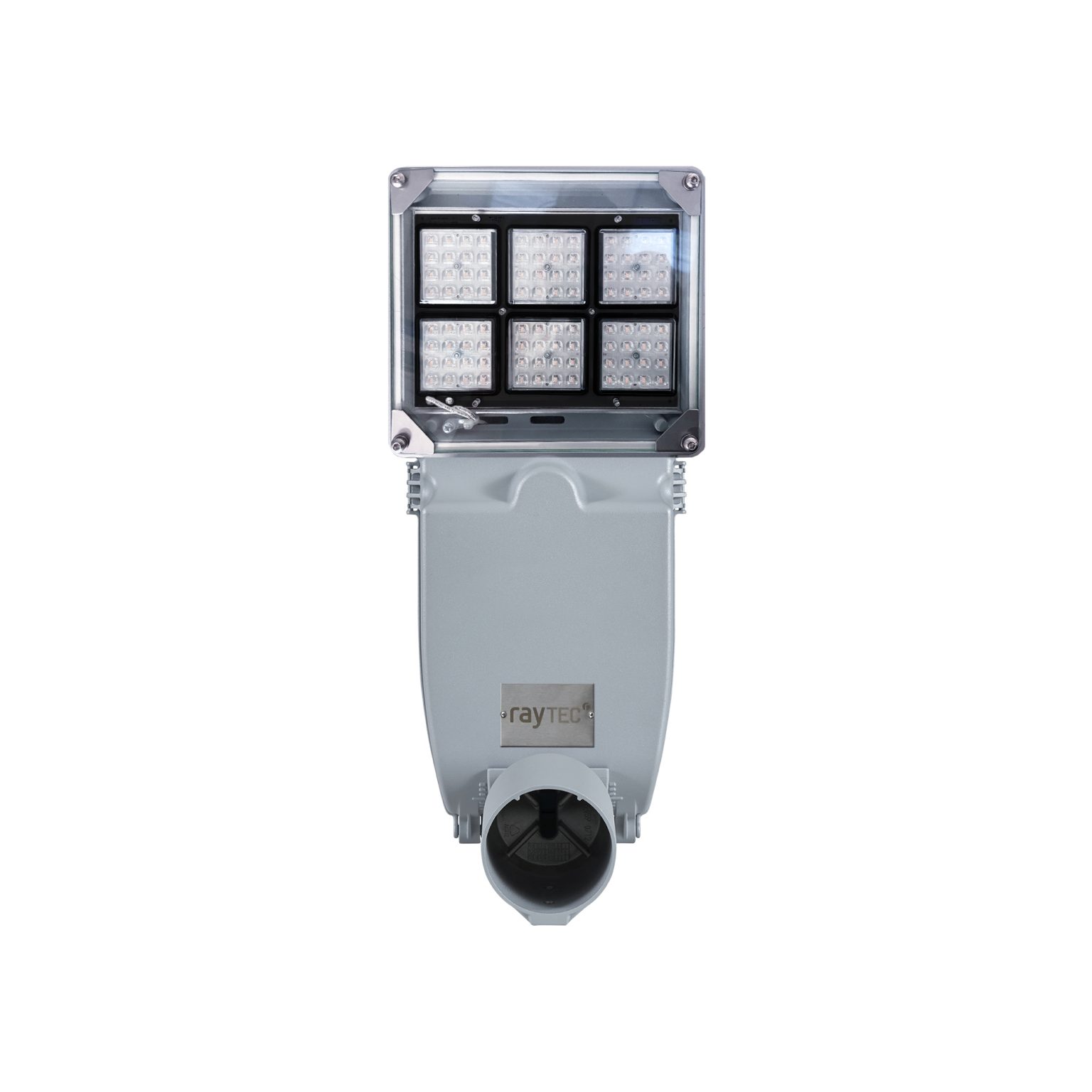
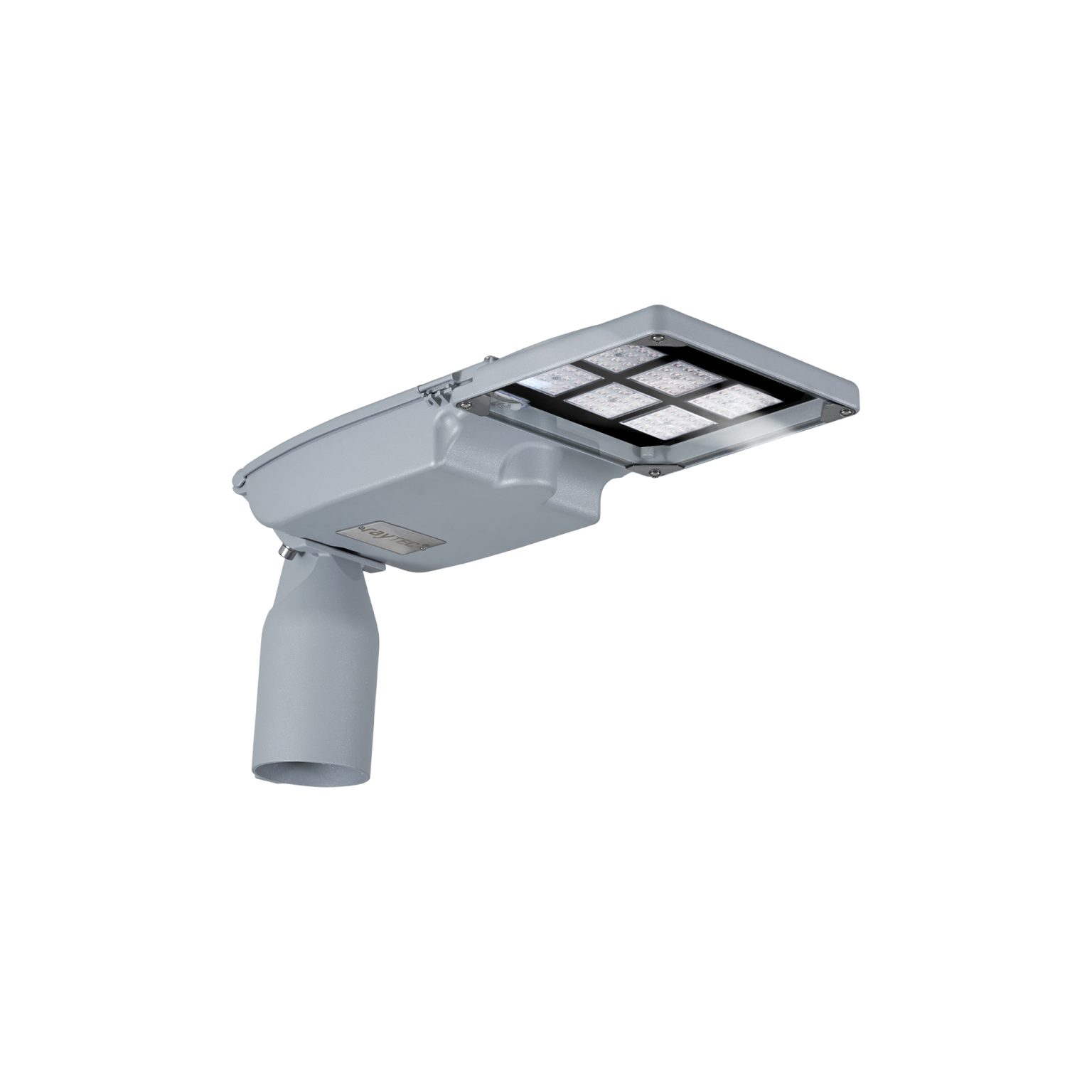
    SPARTAN-Street_Front-Zone-1

    1. Certification

    Ensure the lighting system has the necessary certificates to use in hazardous environments. Use ATEX, IECEx, or any other necessary certifications that would make sure that the fixture is designed to be explosion-proof. Certified lighting prevents failure over safety violations and reduces accidents resulting from poor lighting functionality.

    2. Lumen Output

    The lumen output of the light will tell you how bright the illumination is going to be. Depending on the size of the area and the amount of ambient light, you will need a specific lumen rating to make sure it is bright enough to see. Always match the lumen output to what’s needed for that particular space to maximize both energy savings and safety.

    3. Ingress Protection (IP) Rating

    In outdoor or industrial settings, the selection of explosion-proof LED street lights may include an ingress protection rating. The IP rating refers to the level of resistance to dust and water. For those environments that have much water, chemicals, or small particles of dust, the better high IP ratings, such as IP65 and above, ensure that the light is sealed and not subject to internal damage or possible failure with such conditions.

    4. Temperature Rating

    Explosion-proof LED lights must be operated at both high and low-temperature conditions. Your choice of what temperature rating would be sufficient for this selection of light depends on the type of place where it should be installed. For example, in case using outside or in places that have high heat like a power plant, higher temperatures are likely to be experienced from the lights.

    5. Installation Type

    Determine the kind of installation that would be required at your place. Explosion-proof LED lights are mounted on poles, walls, and ceilings, either on poles, on walls, or on ceilings. Polemount installation is applicable for street and highway lighting. Wall- and ceiling-mounted light installation is ideal when the available space is relatively limited; these kinds of lighting can be applied to any tunnel or even industrial warehouse.

    Comparison: Explosion Proof LED Lights vs. Regular LED Street Lights

    The choice of explosion-proof LED lights over ordinary LED streetlights will depend mainly on the type of environment – industrial, hazardous, or outdoor. Let’s see how such differences arise in safety, maintenance, cost-effectiveness, and performance in extreme conditions.

    Safety features

    Explosion-proof LED lights are designed the prevent sparks and ignitions in hazardous environments, such as chemical plants or oil rigs. They are built with sealed enclosures and comply with strict safety standards, including ATEX, UL, or IECEx, to protect against explosive gases, dust, or vapors. However, standard LED streetlights without protective features have no application to high-risk industrial or hazardous locations.

    Maintenance requirements

    The explosion-proof LED light requires hardly any maintenance, but at times a qualified personnel shall be required to check on them to ensure they have maintained their safety features. They are usually long-lasting and more resistant to environmental shock compared to the regular ones. LED streetlights are also low maintenance but require periodic cleaning and repair where necessary, especially in severe climatic conditions or in areas with much traffic. 

    Cost and energy savings over time

    While more expensive at the outset due to the special design as well as specific certifications for different types, explosion-proof LED lights save so much in energy consumption and could last longer up to 100,000 hours. These savings came through, especially for industrial facilities. Regular LEDs are less expensive in the initial investment, but they are less productive in terms of the saving of energy compared to traditional streetlights. 

    Performance in extreme environments

    Explosion-proof LED lights function excellently in the situations of high temperatures, humidity, corrosive chemicals, or an explosive atmosphere where ordinary LED lights would fail. They are so made to resist mechanical shock, vibration, and weathering and could suit industrial use-for example, in mines, offshore platforms, or chemical plants. Conventional LED street lights are normally very efficient in normal outdoor conditions but do not apply to the extremely harsh dangerous environment in which explosion-proof lighting is necessary.

    Why Choose AJV TEch for Ex Proof Lighting?

    At AJV Tech, we specialize in explosion-proof LED lighting solutions for industrial and hazardous locations. Each one of our products has the latest technology in place to ensure your safety, energy efficiency, and long-term reliability. So what sets us apart? Our USP: explosion-proof lighting systems certified for your total safety.

    Our lights are made to allow businesses to minimize as much downtime, lower as much maintenance costs, and promote safer working environments in hazardous zones. Be it oil and gas, chemical processing, or any other high-risk sector, ATEX, UL, and IECEx-certified explosion-proof LED lights come perfectly in order.

    Conclusion

    The demand for explosion-proof LED lights is growing in industrial as well as public utility applications because of increasing safety concerns and the need for energy-efficient lighting. The advancements in the technology behind LED lighting developed more durable as well as efficient explosion-proof fixtures for businesses, allowing the reduction of risks and at the same time providing an environment for sustainability. With industries still focused on worker safety and sustainability, proper choice in lighting solutions becomes pertinent to ensure long-lasting equipment and avert further hazardous incidents.

    FAQs

    1. What certifications are required for explosion-proof lighting?

    Explosion-proof lights are certified by ATEX, IECEx, and UL which means they are safe in hazardous environments.

    2. How do explosion-proof LED lights enhance safety?

    Explosion-proof lights have no option to ignite and contain sparks and are also built with tougher conditions against explosions in risky areas.

    3. What is the lifespan of explosion-proof LED street lights?

    These lights have a longer life span of 50,000 to 100,000 hours, thereby reducing frequent replacements.

    4. How do I maintain explosion-proof street lights?

    Cleaning and inspection are common practices while maintaining the safety qualification with the help of professional servicing.

    5. Are explosion-proof LED lights energy-efficient?

    Yes, they consume low power with more illumination, thereby saving on cost and reducing the impact on the environment.
  • Safety Nets

    Safety Nets

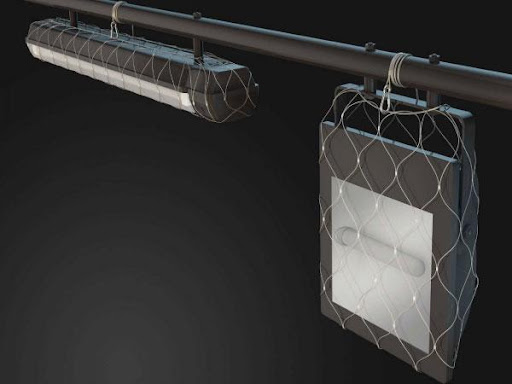
    Safety Nets- Dropped objects in construction and maintenance work are the major source of accidents. So, have you ever used something to prevent it from happening? Safety nets are now manufactured to avoid such mishaps from happening.  (more…)

  • Cable Guard

    Cable Guard

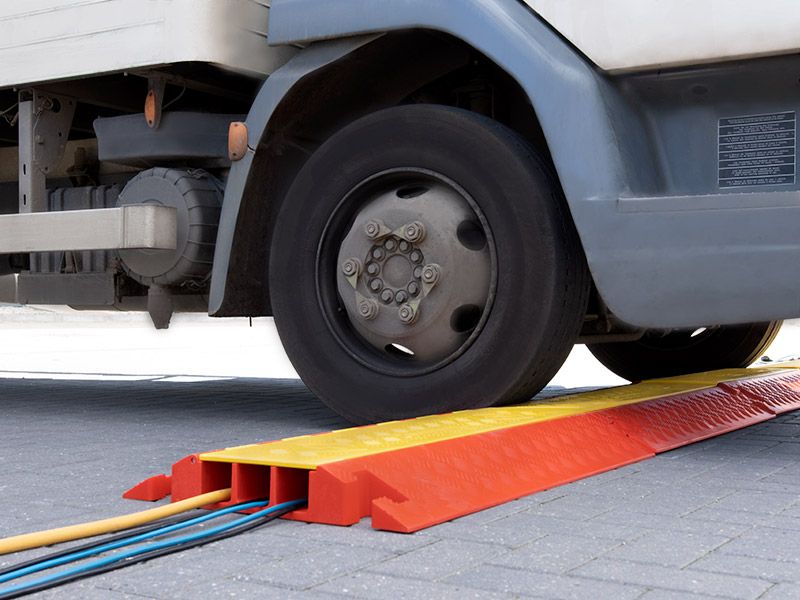
    Cable Guard- Are you worried about slipping, falling or injuring yourself in industry work? Worry not, as it will not happen with the help of our heavy-duty cable guards. Now, you might be wondering what are cable guards and why are they used, so, in this article, we will discuss about cable guards, their uses, perks, etc. (more…)

  • Zone 1- ATEX, Explosion Proof Transformer

    Zone 1- ATEX, Explosion Proof Transformer

    Zone 1- ATEX, Explosion Proof Transformer – In dangerous circumstances where explosive gases, dust, and smoke exist, trustworthy and secure power distribution is very crucial. In this place where Zone 1- ATEX explosion proof transformer comes into the game. This type of transformer is created for especially Zone 1 areas and presents a powerful and effective solution for driving essential tools while decreasing the chance of ignition and possible accidents. (more…)

  • Explosion Proof Street Light

    Explosion Proof Street Light

    Explosion Proof Street Light – Explosion-proof street lights are technological lighting institutions prepared to perform safely in circumstances where the existence of explosive gases, smoke, combustive dust, or fibers poses a risk of detonation. These circumstances are generally seen in industries like oil and gas extraction, chemical processing, pharma manufacturing, mining, and grain handling, where strict security standards are necessary to control misfortunes and ensure employee protection. Below we share all genuine informational regarding Explosion Proof Street Light. 

    (more…)

  • The Best Lighting Solutions for Zone 1 Hazardous Areas

    The Best Lighting Solutions for Zone 1 Hazardous Areas

    Hazardous areas are classified based on the kind of risk present in the atmosphere. These classifications have been elucidated in two European Directives – The “Workplace” Directive 1999/92/CE (RD 681/2003) and The “Equipment” Directive 2014/34/EU (RD 144/2016). 

    These directives divide hazardous environments into three distinct zones – Zone 0, Zone 1 and Zone 2. Zone 1 is an environment in which an explosive atmosphere forms under normal circumstances. 

    Now, what is the significance of these zones?

    There are specific rules regarding every aspect of operations in each zone, of which electricity and electrical equipment form an integral part. Since anything to do with electricity is inherently linked to fire and explosion, the kind of products to be used in Zone 1 hazardous environments are extremely important. 

    According to the directives, only explosion proof lighting and lighting products can be used in Zone 0, 1 and 2 environments. You can refer to our article What is Explosion Proof Lighting to learn more about this kind of lighting fixture and the mechanism behind them. 

    Best lighting solutions for Zone 1 hazardous environment

    Two kinds of lighting are usually required in any zone – permanent lighting fixtures and temporary lighting fixtures. Permanent lighting fixtures, as the name suggests, are permanently installed and need not be moved during operations, such as corridors, cranes, the main workplace and others. However, some operations, which are not conducted round the clock may require temporary lighting, such as cleaning a storage tank. In that case, temporary lighting comes in handy. 

    Hence, zone 1 lighting solutions are classified into permanent lighting solutions and temporary lighting solutions. 

    Permanent lights for Zone 1 

    1. Ex linear lights: Linear lights are usually fitted to the ceiling or wall to light up an entire area. They are very useful for elongated, square or rectangular workplaces. They are available in various sizes such as 5 feet, 4 feet and 2 feet so that they can suit areas of various sizes. Fitted with the latest LED technology, linear ex lights are one of the most versatile lighting solutions available. 

    2. Ex flood lights: These are most useful to light up a large work area. They are available in various lumen outputs. For example, SPARTAN lights manufactured by Raytec are available with lumen power from 4250 lumens up to 25,000 lumens. 

    3. Ex bay lights: Explosion proof bay lights are useful to light up an entire bay or corridor. They are fitted with the latest LED technology and available in capacities of 5000 to 48,000 lumens. 

    4. Ex crane lights: These lights are fitted on a crane to continue smooth operation during the night. They are specially designed to be completely vibration resistant. They are also flexible so their angle can be changed depending on your requirement. 

    5. Ex bulkheads: Low and compact spaces need specialised solutions. Explosion proof bulkheads are ideal for these areas. These are available in a variety of beam patterns such as circular and elliptical for usage in various facilities. 

    Refer to the Zone 1 permanent ATEX lighting page on our website to learn more about our product portfolio in this segment. 

    Temporary lights for Zone 1

    Various kinds of explosion proof temporary lighting are available to cater to various kinds of needs. The most popular ones include:

    1. Ex blast lights: These lights have an easy-to-attach nozzle holder and easily exchangeable lenses. These versatile lights are available in 12V and 24V strengths.

    2. Ex hand lamps: Explosion proof handlamps are intensive lights providing illumination exactly where you need it. They come with easy grip handles for convenience of usage. 

    3. Ex handlamps: Another versatile product, explosion proof rechargeable torches can be found as handheld torches, hand lamps and flood lights. They are battery-powered and can be easily recharged. 

    4. Ex tank lighting: Storage tanks require regular maintenance and cleaning. Hence, temporary lights are essential in facilities with tanks. Tailor-made explosion proof tank lighting help in lighting up tanks easily. Usually, they come as a full set for lighting various parts of a tank. 

    5. Ex torches: Torches are probably the first thing that comes to our mind when we speak of temporary or emergency lighting. Explosion proof torches come in various shapes and forms for fulfilling various functions. 

    6. Ex tower lights: Want temporary lighting over a large area? This is the product you should look at. Explosion proof tower lights are stand-mounted lights which can be easily moved from one place to another. 

    7. Ex ultraviolet lights: These ultraviolet lights are tailor-made for killing germs. They are highly suitable for industries which are prone to germs such as food processing industries. 

    8. Ex work lights: Another versatile product group, explosion proof work lights include portable floodlights, hornet lights, body lights, swivel-mounted lights, string lights, work lights, light towers as well as wall mount brackets for installing the temporary lights. 

    You can find more about AJV Technical Equipment’s explosion proof temporary lighting solutions for Zone 1 facilities on our website. If you are interested in customised solutions for your hazardous work facility, contact us today. Our team of expert engineers provides bespoke solutions for all our clients.

  • A Complete Guide to ATEX Certification

    A Complete Guide to ATEX Certification

    Any discussion about a hazardous area or explosion protection is incomplete without an understanding of ATEX certification. In fact, the certification is where it all starts. In this article, we take an in-depth look into various aspects of ATEX certification. 

    What is ATEX?

    ATEX or Explosive Atmosphere is the term used for a work area which may contain a risk of explosion. An explosion can be caused when a fuel (vapour, liquid or dust), oxidiser (oxygen from the air) and an ignition source (a flame, spark or high-temperature surface) come in contact with each other. 

    All tools and equipment operated in an ATEX environment have to be of a special kind. They need to be specially designed to prevent or cause an explosion from happening and have the ATEX certification. Thus ATEX certified products can work with flammable materials safely. 

    ATEX certification

    ATEX certification is regulated by two European Directives, which are:

    1. The “Workplace” Directive 1999/92/CE (RD 681/2003). This is commonly known as ATEX 135. It states the minimum requirements for improving the health and safety protection of workers, which is the responsibility of the facility’s owner. 

    2. The “Equipment” Directive 2014/34/EU (RD 144/2016). This is commonly known as ATEX 95. This directive establishes the safety requirements for equipment and systems used in different environments, the responsibility of which lies with the manufacturer. 

    ATEX groups and atmospheres

    The regulations divide the work environment into several groups and each ATEX equipment needs to have the necessary group marking. 

    Directive 2014/34/EU  categorizes environments to identify the correct equipment to be used in such environments:

    Group I: Mines susceptible to firedamp.

    Group II: Explosive environment other than mines and their surface installations. 

    The Directive (2014/34/EU) also divides a work atmosphere into two categories based on its explosive nature:

    1. Atmosphere G (Gas)

    2. Atmosphere D (Dust)

    ATEX Zones

    Directive 1999/92/CE further categorises atmospheres into zones based on the level of risk:

    Zone 0: Permanent Danger – A permanent explosive atmosphere, where the risk of the explosion remains for long periods. 

    Zone 1: Potential Hazard – An environment where an explosive atmosphere forms under normal circumstances. 

    Zone 2: Minimum Danger – A location where the risk of explosion is not present normally, but can occur sometimes and exists for a short period of time. 

    Each equipment used in an explosive environment needs to have zone labelling as well. An equipment fit to be used in a certain zone cannot be used in any other zone. 

    Ignition Temperature

    Another aspect, which is of supreme importance while discussing ATEX is the ignition temperature. Directive 2014/34/UE defines ignition temperature as the temperature at which the release of vapour is sufficient for ignition when energy is contributed from an external source. The temperature is different for dust and gas. 

    In the case of explosive dust, the maximum surface temperature and the maximum authorised temperature that the equipment surface can reach are the same. This can be during normal or abnormal operations. 

    Thus, there are 6 temperature categories:

    Temperature class required by zone classificationGas or vapour ignition temperature in °C
    T1>450
    T2>300
    T3>200
    T4>135
    T5>100
    T6>85

    However, in the case of dust, the following values are assigned:

    T-inflammation: Inflammation temperature of a dust cloud.

    T-inflammation – 5: Flash temperature of a 5mm thick layer of the same powders. 

    How to interpret an ATEX labelling?

    An ATEX label will have several markings with digits and alphabets. Here is an example of how it may look. These markings are based on the sections described above but will, of course, vary for each equipment.

    Example of an ATEX Label
    Example of an ATEX label
    • Ex: denotes the equipment can be used in Explosive Atmospheres. 
    • II: Is the general marking according to the Directive. II indicates the product can be used in surface installations within an explosive gas atmosphere. But it can be used in mines. 
    • 2: Refers to the equipment category. 
    • G: Indicates that the equipment can be used in explosive gas or dust atmospheres. 
    • Ex: Refers to non-electrical equipment suitable for usage in a potentially explosive atmosphere. 
    • h: Denotes the protection types. “h” indicates that no protection is required. Every equipment will have very specific protection requirements and specific regulations which need to be followed. 
    • IIB: Is the zone group. In this case, zone IIB refers to surface installations and gas mixture B (Ethylene, butadiene).
    • T5: Is the temperature type as per the table mentioned above under the ignition temperature section. In this case, the equipment can be used at a surface temperature between 85°C to 100°C.
    • Gb: Refers to the equipment protection level. 
    • X: Indicates special conditions of use.

    Of course, this is a simplified illustration. ATEX equipment may have more complicated labelling depending on the kind of equipment. When it comes to ATEX, it’s all about safety. To gain a further understanding of protection methods used in explosive environments, we recommend you to read our article Concepts for protection of hazardous areas.

  • Safety in Aircraft Hangars

    Safety in Aircraft Hangars

    Aviation accidents and crashes often make headlines owing to the severity of the disaster. However, aircraft hangars, a place where aircraft are stored and maintained, can also be hazardous. 

    There are several reports of technicians being crushed between hangar doors, accidental falls from platforms and ladders during maintenance work, mishaps on the ground, discharge of fire foam systems etc. Hence, safety precautions play a pivotal role in aircraft hangar facilities. 

    When we speak of aircraft hangar safety, there are two aspects to it:

    1. Risk to aircraft that can lead to huge financial damages
    2. Risk to technicians, engineers and workers at the hangar

    International Business Aviation Council (IBAC) and the National Air Transportation Association (NATA), have designed a safety management system for business aviation ground handlers.

    They stipulated a list of global best practices to be followed by the ground staff in order to ensure the safety of the aircraft as well as human safety. According to their report, most accidents at aircraft hangars occur during towing, equipment handling, hangar movement, and ramp movements. 

    Here are some of the safety measures that should be kept in mind: 

    Administrative procedures

    Administrative processes and procedures ensure smooth functioning in a busy zone such as that of an aircraft hangar. Engineers, technicians and workers understanding of what’s expected of them, open communication between the ground staff and in-flight staff through proper communication channels, and addressing workers’ concerns can go a long way in eliminating chaos and thereby averting major accidents.

    Platforms

    Aircraft are huge and their maintenance requires regular use of platforms and ladders. Technicians and engineers have to inspect the coatings and look for damages to the aircraft structure. According to a survey carried out by a UK-based organization, several height-related accidents are reported every year to the UK Health and Safety Executive (HSE).  The survey found that in the UK, between 2012 to 2017, 28 percent of fatal injuries or an average of 40 fatal injuries per year were due to falls from height. Not only is this dangerous for the workers, but also for the employer because if the employer fails to offer proper training, quality equipment, regular inspections and careful monitoring, they will be held responsible for the accident and can incur financial damages. 

    Platforms or height-related mishaps can be reduced by implementing: 

    • Proper planning
    • Careful monitoring
    • Worker training
    • Regular inspection of equipment

    Lighting

    Repair and maintenance of sophisticated machines such as aircraft is high-precision work. the workplace should be adequately illuminated so that the ground staff does not have to compromise on visibility. Also, hangars have a plethora of cables, tools, and equipment on the floor and tripping accidents are not uncommon. Brightly lit spaces, therefore, are a necessity. Additionally, aircraft hangars store chemicals that are flammable and can lead to fire and explosion. Explosion-proof LED lights that are specially designed for hazard zones, should be used. There are safety standard requirements for inspection and maintenance work and in order to meet that, the lights should be designed for high mounting heights, high lux levels and uniform lighting over a large area. Our article, What is Explosion Proof Lighting, can help you gain a better understanding of these kinds of lighting fixtures.

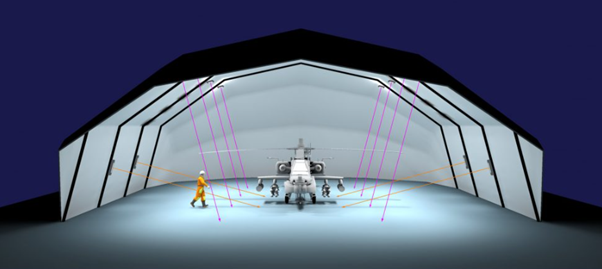
    An implementation of lighting design for aircraft hangars

    In a typical bay lighting project, SPARTAN High Power Bay units have been designed into multiple Helicopter Hangers to provide powerful ceiling mounted illumination. The was based on a requirement for Zone 1 fittings to achieve 300 lux on the task area from 8m high.

    Using fewer luminaires was an important design factor in this application which meant each luminaire had to deliver as much light as possible. We were restricted in where the luminaires could be mounted, so using a smaller number of units with a wide 90×90° beam angle meant that over 350 lux could be achieved while maintaining good uniformity. In addition, the crisp, cool-white LED colour temperature ensures excellent visibility. The convenient ceiling mount bracket is also perfectly compatible with a wide range of mounting configurations.

    Raytec LED Linear fittings with battery backup were also wall mounted at 2m high to provide 25 lux of lighting in emergency conditions.

    You can find more information about our aircraft hangar lighting equipment and design at our product pages.

    Chemicals

    Hazardous materials such as lubricants, paints, fuels and other chemicals are found and used in an aircraft hangar. These should be stored and properly recorded and labelled.

    Chemical leakages or improper use of flammable materials can lead to fatal fire incidents resulting in loss of lives and goods.

    Fire Safety mechanism

    Like any other hazardous workplace, a concrete fire safety mechanism should be in place to thwart or minimize fire-related accidents. This should include the installation of 

    • Smoke & Flame Detectors
    • High Expansion Foam Generators
    • Quick Response Sprinklers
    • A/V Alarms & Switches
    • FoamPak Foam Pumping Station
    • Fire Alarm & Suppression Control Panels
    • Foam Tanks

    Installations should be followed up by regular maintenance and inspection.

    Worker Training and use of PPEs and other safety gears

    Worker training is an important part of aircraft hangar safety. From highly precise repair and maintenance work to day-to-day activities, workers and technicians should be highly trained to carry out their responsibilities. They should be adept at handling time pressures, especially during aircraft turnaround. Aircraft hangars have mechanised devices, hangar doors, ramps etc. The trained workers should follow proper procedures related to the handling of such devices and mechanisms in order to avoid fatal accidents. Hard hats, bump caps, safety glasses, face shields, rubber gloves and boots should be used if and when required depending on the level of exposure or complexity of the job.

    Aircraft hangars house expensive jets and aeroplanes. Keeping them safe and ensuring the safety of the workers is beneficial to both the employees and the employers. Disasters can easily be avoided if the industry standards are followed, quality equipment is used, regular inspections and risk assessment are undertaken, workers are regularly trained, and the hangar is made conducive for precision work by properly illuminating the workspace, storing chemicals, installing fire safety devices etc.

  • Ex P Pressurised Enclosure – What is it and how is it useful

    Ex P Pressurised Enclosure – What is it and how is it useful

    Ex P Pressurised Enclosure is an explosion protection mechanism used in hazardous locations. Ex P enclosures are designed to house electrical equipment that is either too large to be made explosion proof or too highly powered. Industries with complex processes such as chemical, pharmaceutical, oil and gas industries, refineries, and paint manufacturing units that use and store highly flammable gases and vapours require a safe, durable, low-cost solution for operating electrical equipment and yet create an explosion free zone. This is where Ex P enclosures come into the picture.

    Where is an Ex P enclosure used?

    Ex P enclosures are commonly used in industries or environments that have an explosive atmosphere. An explosive atmosphere consists of a mixture of gases, vapours, and dust in the air that are flammable and cause ignition and thereby explosion. The ATEX European Union Directive classifies and controls the Explosive atmosphere. Our article – A complete guide to ATEX certification – explains these classifications in detail. A variety of protection concepts are used in these hazardous areas, Ex P pressurised enclosures being one of them. You can learn about protection concepts from our article on Concepts for protection of hazardous areas.

    How do the enclosures work?

    These pressurized enclosures look like large cabinets which are tightly sealed so that explosive gases cannot enter the chamber, and electrical equipment that are non-explosion proof can be safely operated. An Ex P enclosure consists of:

    • A control unit
    • Ex P pressure monitors
    • Ex P purge valves

    First, the enclosure is purged or cleansed with ignition protection gas. This helps dilute the combustible gas mixture and thereby create an explosion free zone. Next overpressure is created so that explosive gases cannot make their way into the enclosure. The Purge valves inside the Ex p enclosures help control and transport the ignition gases, whereas the temperature monitoring system ensures adequate cooling. A number of equipment such as industrial monitors, motors, pumps and switch gears can safely be operated within the Ex P enclosures.

    Since purging and pressurising are integral parts of these enclosures, they have been assigned the nomenclature Ex P pressured enclosures – P standing for purge. 

    Though durable and reliable, proper care should be taken during the installation and operation of these enclosures. They should be properly sealed so that the chances of leaks are minimized. 

    Also, the enclosures should be designed keeping in mind their environment. Can they withstand rain and snow? Are the enclosures exposed to salt water or other chemicals? What are the thermal conditions and what’s the temperature inside and outside the enclosures? Are they exposed to extreme temperatures? What light fixtures are used here and do they meet the industry standards for explosion proof lighting? These are some of the questions that need to be asked before using Ex P enclosures in a hazardous environment.

    Main Features of Ex P Enclosures

    • They can be certified as per ATEX and IECEx standards.
    • The design of all enclosure joints should comply with established standards.
    • No external hot surfaces above the temperature class.
    • All plastic components should undergo high temperature and humidity testing.
    • Sparking contacts, semiconductor devices, batteries and rotating parts can be fitted within an enclosure.

    Advantages of using Ex P pressured enclosures

    Using Ex P pressurised enclosures can provide a range of benefits, some of which are:

    1. They are robust with high longevity (as much as 15 years) and are very user-friendly. 
    2. They are available in a variety of sizes and hence can be commercially and non-commercially used. 
    3. They are lighter than other protection methods. For example, while a typical Ex D enclosure may weigh around 180 Kilograms, an Ex P enclosure weighs around 40 Kilograms. 
    4. These enclosures can be easily opened, which not only makes maintenance easy but also helps in quick response during emergencies. 
    5. They are cost-effective since a single unit can purge multiple enclosures in a series. This enables the replacement of multiple explosion proof boxes and interlinking conduits. 
    6. The purge and pressurised enclosures can be easily reconfigured and upgraded as per requirement. 

    When it comes to performance, there is no limitation for Ex P enclosures. It is largely dependent on the size of the Ex P cabinet or the Ex P application. Ex P applications are hosted inside enclosures which are closed and sealed. All power dissipation and heat flows must be removed. Air conditioning systems can be used for this purpose. Also, components must be fitted at a distance from each other to prevent damage from high voltages and currents. 

    When it comes to safety in hazardous areas, Ex P pressurised enclosures are a good option. We have a range of certified products fitted with this mechanism suitable for a variety of facilities. Check out our Product Portfolio today to browse them. 

  • Concepts for Protection of Hazardous Areas

    Concepts for Protection of Hazardous Areas

    A work environment such as an oil rig or a chemical warehouse is almost always referred to as a hazardous area. A ‘hazardous area’ is a work environment where the atmosphere contains significant quantities of flammable and explosive gases, vapours or dust. This increases the risk of fire and explosion, causing immense damage to equipment and manpower. 

    Although a layman may refer to all areas with a risk of fire and explosion as hazardous, such workplaces are classified based on the inherent risk. This classification, in turn, defines the kind of equipment used in such areas and also defines the level of safety to be followed for specific kinds of segments.

    However, this classification and the method used for classification vary in different parts of the world. But in general, two major classifications are followed worldwide – International Electrotechnical Commission (IEC) divide hazardous areas into different Zones and North American Installations divide them into Classes, Divisions and Groups.

    Our product portfolio consists of a range of ATEX-certified products, and we have created an in-depth guide on the IEC classification in our article A complete guide to ATEX certification.

    To summarize, IEC classifies hazardous areas into three broad ATEX zones for gas and dust each:

    Gas ZoneDust ZoneHazardous area characteristics
    Zone 0Zone 20Hazardous atmosphere to be continuously present or present for long periods of time (>1000 hours per year)
    Zone 1Zone 21A hazardous atmosphere is possible but unlikely to be present for long periods of time (> 10 > 1000 hours per year)
    Zone 2Zone 22A hazardous atmosphere is not likely to be present during normal operations or may be present for short periods of time (<10 hours per year)

    Explosion protection concepts in hazardous areas

    Different areas require different kinds of explosion protection. Hence, a variety of methods are used in hazardous areas for explosion protection. However, it is essential to remember, the usage of such methods is largely guided by the zones mentioned above. The higher the risk, the stronger the explosion protection technique. 

    1. Ex i intrinsic safety

    In an intrinsic safety product, the electrical energy within the equipment is restricted to a level which cannot cause heating of the surface or an ignition. Intrinsic safety products come in two varieties:

    a) ia – Allows for the occurrence of two faults during operation.

    b) ib – Allows for the occurrence of one fault during operation. 

    2. Ex d flameproof

    This kind of equipment may experience an explosion within an enclosure but can withstand the force of an explosion and prevent the transmission of such an explosion into the outside hazardous atmosphere. The opposite is true as well. Ex d flameproof protection method also prevents any explosion or fire in the outer atmosphere from entering the enclosure and coming in contact with the equipment. 

    3. Ex m encapsulation

    In the Ex m explosion protection concept, the equipment that can potentially cause ignition is enclosed within a compound and resin, thus preventing any contact with the explosive atmosphere. In these kinds of equipment, the surface temperature is also limited. 

    4. Ex e increased safety

    These kinds of installations ensure safety against excessive temperatures and sparks from hazardous area electrical equipment. Any equipment that normally causes sparks is excluded from use in this method of protection. 

    5. Ex p pressurised

    As the name suggests, this method of protection controls the pressure in the equipment, so that flammable gases, vapour, dust or fibre cannot enter the equipment and cause ignition. Another method of protection is also used in this kind of protection where a constant flow of air is maintained to dilute any potentially explosive atmosphere. 

    6. Ex o oil immersion

    In this kind of explosion protection method, all equipment with the potential to cause ignition is immersed in a protective liquid or oil. The oil provides an insulation method which can prevent ignition. 

    7. Ex q powder filling

    This kind of protection method works similar to oil immersion, the difference being instead of oil, quartz or glass powder particles are used to avoid the possibility of ignition. 

    8. Ex n non-sparking

    In an Ex n non-sparking protection method, special precautions are taken so that any electrical equipment with the potential of igniting does not fire up in an explosive atmosphere. This is achieved by using non-sparking components, non-incendive components, tightly enclosing the components to prevent ignition and restricting the energy contained in them.

    9. Ex s special

    This method of protection does not have any specific parameters or construction rules. Any method of protection which can provide explosion protection is included in this group. It can be a single method or a combination of the different methods discussed above. 

    Explosion protection in hazardous areas is a matter of grave seriousness. Continuous research and development ensures the introduction of advanced equipment to ensure the safety of such areas and more innovation is expected in the coming years. 

  • All about Safety in a Chemical Warehouse

    All about Safety in a Chemical Warehouse

    A chemical warehouse is a building that stores flammable, combustible gases and vapours. These hazardous chemicals pose a potential risk of leakage and explosion if proper safety measures are not imposed. There are established industry standards and codes by regulatory bodies such as the National Fire Protection Association (NFPA), European Agency for Safety and Health at Work (EU-OSHA) etc. that focus on safe practices in chemical warehouses. Some of these codes and regulations are related to:

    • Proper storage and handling of chemicals
    • Updated fire safety measures
    • Industry-standard electrical wiring and plugs in the warehouse
    • Specialized light fixtures to be used in the hazardous environment
    • Use of Hazmat suits and safety gear for the workers
    • The Importance of safety in a chemical warehouse

    Importance of safety in a chemical warehouse

    The world has witnessed catastrophic disasters related to chemical leaks and explosions that have killed and injured thousands of people and have had both short-term and long-term effects. These incidents have time again proved that when it comes to safety in a chemical warehouse, there is no room for error. One such incident was so severe that it gave birth to the Seveso directive, later amended to Seveso ll and Seveso III directive by the EU, so that such fatal accidents can be prevented in future. 

    Safety Measures

    Safety precautions need to be carried out in several aspects of a chemical warehouse:

    Handling and storage of chemicals

    Chemicals can be divided into different categories and each of these categories requires specialized storage and handling. 

    Flammable chemicals: Flammable chemicals need to be stored in a separate room and away from anything that can ignite them. Regular and careful maintenance of the storage facility is also essential.  

    Explosives: Some chemicals are prone to explosions and should be stored in ‘no spark’ rooms. If they come in contact with anything that ignites a spark, the chemicals can explode and result in a fatal accident. Explosion proof LED lights should be used in such hazardous environments. These specialized lights are designed to withstand extreme temperatures and are resistant to moisture or dust. If you want to read more on explosion-proof LED lights you can read our following articles:

    Gases: Compressed gases must be handled carefully because if the cylinder is knocked or dropped it can shoot off like a rocket due to the rapid release of energy. The electrical equipment used in these storage facilities including the light fixtures should also meet industry standards.

    The International Electrotechnical Commission has laid down specific rules namely EN 70069-0 and EN 60079-1 which stipulate and mark electrical equipment fit that can be used in a hazardous environment.

    EN 70069-0 divides electrical equipment into three distinct categories:

    Group I – Electric equipment that is used in mines with the presence of firedamp gases.

    Group II – Equipment fit that is used in an explosive atmosphere where surface gases are present.

    Group III – Electric equipment that can be used in explosive atmospheres where dust is present.

    Group II is further divided into three subcategories based on the presence of specific gases in the environment:

    IIA – A typical gas in this group is Propane.

    IIB – A typical gas in this group is Ethylene.

    IIC – A typical gas in this group would be Hydrogen and Acetylene.

    The use of electrical equipment should depend on its suitability to a particular gas group. The lighting materials in a hazardous environment such as the chemical warehouse too should be used based on this equipment marking. 

    Some of the other chemical categories are poison, corrosives, oxidizers etc. Each of these chemical categories has its own set of safety protocols that need to be adhered to. What’s crucial is to label and classify the chemicals and make sure that the different chemical classes do not come in contact with each other. 

    Fire protection Measures

    Since chemical warehouses store flammable, combustible chemicals and gases, fire safety protocols need to be in place at all times.

    Inventory and documentation

    Chemical warehouses should have an accurate record of the inventory that needs to be updated regularly. There should be a list of all the chemicals stored in the warehouse so that they can be labelled correctly.

    Trained workers

    A chemical warehouse needs to have trained workers who know how to handle the chemicals including transportation within and outside the facility. Workers should also be provided with hazmat suits, gloves and other safety gear, depending on the level of hazardous chemicals they need to handle.

    Safety in a chemical warehouse is critical in order to thwart disasters resulting in death and destruction. Following industry codes on storage and handling of chemicals, worker training, regular maintenance of the facility and use of specialized electrical equipment such as explosion proof LED lights, are some of the ways to prevent leakages, explosions, or fires at the storage facility.

  • Power Distribution in Hazardous Areas

    Power Distribution in Hazardous Areas

    The term ‘hazardous area’ makes us more aware of what is being said, isn’t it? And rightly so, because every aspect of a hazardous area requires extreme attention. 

    One of the most important aspects which require extreme planning is the power distribution system. Why? Because the power distribution system itself poses the hazard of potential fire and explosion. It is an integral part of a hazardous environment, yet, it adds to the risk factor of the area. 

    In this article, we will take a look at the various components of a power distribution system in a hazardous area. 

    Explosion proof equipment

    Since a hazardous area inherently carries the threat of ignition and explosion, all electrical equipment used there needs to be explosion proof. Explosion proof lights are specially manufactured for usage in hazardous areas. They are designed to contain any ignition within the lighting structure itself, thus reducing the risk of fire and explosion. 

    The power distribution system of a hazardous area

    The power distribution system of a hazardous area consists of the following components:

    1. Explosion-proof transformer

    Transformers are the mother of the power distribution system. This is where the power enters the area and hence has to be essentially explosion proof in nature. Ideally, in such transformers, both the primary and secondary winding conductors need to be loosely brought out and terminated at terminals or directly connected to the explosion proof terminal outside the enclosure. 

    Usually, they are vertically lifted structures with a capacity of resistance to overload. They are fire-proof, low noise and require low maintenance. They also have integrated low voltage and high voltage winding which increases their mechanical strength. These transformers are also designed to be resistant to short circuits. 

    They usually support mains supply voltage of 110V and 230V and support two or four socket configurations. The sockets have to be ex socket types. Some transformers also have a socket configuration that supports linking transformers which allows usage of several transformer units for large low-voltage lighting setups. Usually, ex transformers are designed for easy stacking and storage. 

    Different hazardous environments may have different kinds of power distribution needs. Hence, a very useful variant of an explosion proof transformer available in the market is a portable explosion proof transformer. These act like mini transformers, providing power supply to any area which might need it. The entire assembly is usually mounted on a heavy-duty cart made of non-sparking aluminium. The cart is fitted with wheels for easy transportability. 

    2. Splitter boxes

    Also known as junction boxes, splitter boxes are an integral part of a circuit protection system for an area requiring circuit integrity. These are boxes or cabinets which house the component parts of the entire electrical system such as switches, sockets, knobs, plugs, controls and others. They make hazardous area lighting implementation flexible by extending any central power source. They can also be used to power ancillary equipment. 

    Ex splitter boxes are commonly used in tanks and vessels, oil rigs and refineries, chemical plants and hazardous confined places. While they are used extensively in hazardous areas, they are an integral component of the emergency lighting system as well. Explosion proof junction boxes are tailor-made to meet the main requirements of power distribution, monitoring and other functions inside the hazardous area. 

    A significant aspect of explosion proof splitter boxes is that the same splitter box can be used to control independent light chains. They facilitate power transmission to multiple and opposite directions, thus enabling lighting in a larger area quickly, easily and with minimal cables. This not only reduces the costs of installation but also minimizes the hassle and cost of maintenance.

    Ex proof splitter boxes are available for low voltage power of 24V and 42V and high voltage power of 110V and 230V. Usually they are available in two or four socket configurations. The sockets are ex proof as well. The input cables are usually customized as per order, while the default size is generally 10-metres. These kinds of splitter boxes can be easily stored or transported. 

    3. ATEX Cables

    All cables used for the purpose of power distribution in a hazardous environment have to be explosion proof. The cables should have a gas/vapour-tight continuous corrugated metallic sheath with an overall jacket of suitable polymeric material. They also have to be compliant to the ATEX directives or equivalent. 

    Usually, cables in a hazardous environment are manufactured using flame-retardant materials and have a resistant outer jacket, similar to the one used for a rubber hose cable. 

    4. ATEX Lights

    Like all the other components, ideally, all lights used in a hazardous environment should be explosion proof in nature. However, sometimes people opt for intrinsically safe lighting as well. Different areas of a hazardous facility may have different lighting requirements. Hence, a range of customized lighting options is available to cater to each kind of need. 

    Broadly speaking, explosion proof lighting (ex lighting) can be of two types:

    1. Temporary ex lighting, such as LED blast light, germicidal light, UVA inspection light, tank sets, link-up tank sets, tank set with inspection lights, tank and confined space inspection set, portable floodlight, hornet, rechargeable battery-powered LED light and others. 

    2. Fixed ex lighting which includes mid-power bays, high-power bays, general bay lights, bulkheads, floodlights, linear lights, etc.  

    5. Plugs and sockets

    Another integral aspect of a power distribution system is plugs and sockets. Needless to say, even plugs and sockets have to be explosion proof to be used safely in these kinds of work environments. They should have a robust design and be chemical resistant. 

    Most explosion proof plugs and sockets are designed for hot swapping of apparatus without shutting down circuits or disconnecting terminals. They are usually available in polyamide, stainless steel and nickel-plated brass materials. Additionally they are easy to assemble and require less maintenance. 

    6. Safety switches and isolators

    Another integral component of a power distribution system, safety switches and isolators have to be reliable to isolate the power supply on electrical installations should such needs arise. Such scenarios may arise during an emergency or simply during routine maintenance and repair work. 

    The choice of safety switches is important since they are connected to power circuit breakers. Hence, opting for ones which are compatible with the kind of power circuit breakers used in the power distribution system is essential. 

    The power distribution system of a hazardous area has to be planned keeping a number of aspects in mind. Opting for components with a high longevity and low maintenance can bring down capital expenditure as well as operational expenditure to a great extent.