Archives: Blog

  • Lighting Design – What is it and Why it is important

    Lighting Design – What is it and Why it is important

    Imagine walking into a dimly lit office for an interview. The immediate feeling you get is how unpleasant it can be to spend half your day in such a gloomy environment. Now, imagine walking into a purposefully lit one – your mood automatically lifts and you will look forward to giving that interview your best shot.

    Lighting plays a crucial role and affects many aspects of our life – our mood and well-being being the foremost. Be it architecture or engineering – the pivotal role of lighting can never be underestimated. For example, improper lighting in a factory can affect the performance of workers as well as lead them to cause crucial mistakes. Not to mention improper lighting of the emergency escape route can be disastrous. 

    What is Lighting Design?

    Light is the medium through which we perceive the world. The process of application of light to spaces is known as ‘Lighting’. The placement of light, its intensity, direction and other such aspects can have a major impact on our vision and in turn our perception. Lighting also has a direct impact on the impression of a space. 

    Originally a part of an architectural process, lighting design is understanding the lighting requirement of a particular space and then designing the lighting blueprint in such a manner that it brings the space to life. From lighting up a home to lighting up a factory – lighting design is an essential element of any architectural venture. It is a combination of art and engineering. Every designer should know all the aspects in which lighting can influence a space.

    Customized Lighting Design

    Every business is unique, and so is its lighting requirement. The lighting alignment of an oil rig is very different from that of a chemical processing factory. Hence, there is no one-size-fits-all concept in lighting design. 

    In such a scenario, hiring an experienced lighting design team can prove beneficial. They can understand the requirements of a particular space, analyze the regulatory requirement and design a customized solution to suit a business’ needs. 

    Lighting design will take care of these requirements from end-to-end including supply, installation, cabling, LV equipment installation, commissioning, testing and project management. It also caters to a wide range of industries including greenfield projects. 

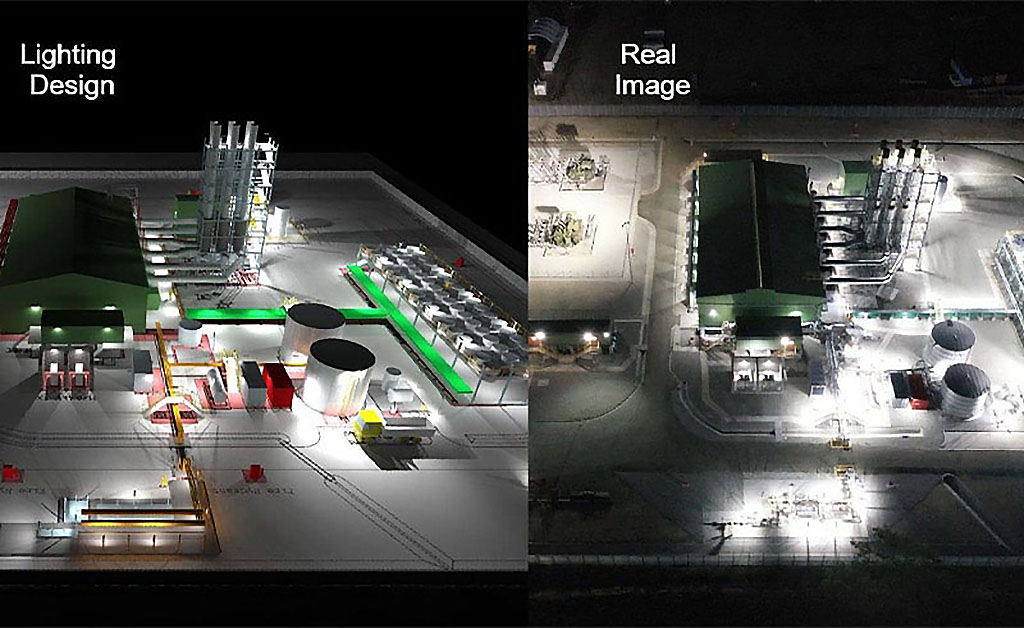
    A lighting design team takes care of all aspects of a project. At the concept stage, they will assess the characteristics and requirements of lighting installation in a plant, determine the load, carry out cable calculations and other aspects. Based on this, the lighting engineers will recommend a suitable design and also protection systems. The team will then generate an AutoCAD design for the lighting plan that includes general arrangements, wiring looping layouts, load schedules and single line diagrams. These are then implemented during the installation phase.

    Things to Consider While Hiring a Lighting Design Team 

    Understand their knowledge level: Many companies offer services without the proper knowledge of what they are doing. There may be regulatory requirements about the lighting of a particular place. You would want to work with a design team who is adept with such regulatory norms to ensure complete adherence to them. 

    Check the experience: Lighting design is not just about knowledge but experience as well. Hire a team who has had experience in successfully implementing projects across various industries. 

    Consider their services: You would want to work with a designer who provides you with end-to-end solutions such as full site modelling, illuminance mapping, consulting on lighting positions, 3D and 2D lighting and others. 

    Benefits of Lighting Design

    • Ensure appropriate lighting of each space in terms of the placement of lights, their intensity and direction. 
    • Ensure each space is used properly and practically. 
    • Confirm to regulatory requirements for lighting.
    • Enhance the environment for employees to provide a comfortable workspace and enable them to perform at their best.
    • Ensure safety with custom designed lighting. For example, install explosion-proof lighting in hazardous areas or illuminate emergency routes with safety lighting.

    Overall, lighting design has a direct impact on various aspects of a certain space, be it an office, a factory, a showroom, a museum or even a house. At AJV Technical Equipment, we provide these custom lighting solutions as turnkey services that include planning, design, supply, installation, cabling, testing, project management and maintenance.
  • Why you should use Explosion Proof Lighting

    Why you should use Explosion Proof Lighting

    Safety and precaution have become a chief concern for businesses worldwide. While the various government agencies globally have been trying relentlessly to bring stricter laws for implementation of safety protocols at the workplace, company management themselves are now becoming more aware to minimize the loss of lives and money. 

    In such a scenario, the importance of safety products such as Explosion Proof Lighting has come to the forefront. They go a long way in helping workers operate smoothly, especially in a hazardous environment. A hazardous location is an area with high concentrations of combustible particles of liquids, gases, fibres, dust and other materials which can cause a fire. All the equipment used in a hazardous area must be specially designed so that they do not catch fire – Explosion Proof Lighting being one of them. 

    What is Explosion Proof Lighting?

    Commonly known as Ex Lighting, these lighting devices ensure any ignition or spark is contained within the light fixture itself and does not lead to a potential fire or explosion. You can get a detailed understanding of it in our article What is Explosion Proof Lighting

    Why should you use Explosion Proof Lighting?

    Now, let us come to our main point of discussion – why are these light fixtures used?

    Many factors make these a choice of lighting equipment for hazardous areas. Here to name a few:

    Sturdy Design

    Ex Lighting are specially designed to isolate sparks within the unit so that they don’t explode. This works in two ways. If there is an explosion or a fire outside, the Ex Lighting fixture does not explode by itself, adding fuel to the fire. Moreover, the light fixture itself does not explode to start a catastrophe. 

    One of the most defining features of these lighting fixtures is the thick casing which does not allow easy entry of gases and liquids inside the main body of the light. The hot flammable material has to take a complex route to enter the light fixture, by which time they cool down. 

    This is especially useful for confined spaces such as oil storage tanks, which may be poorly ventilated or isolated. Ex Lighting can minimize the chances of an explosion to a great extent. 

    Variety of choices

    Every business is unique and may have a different kind of lighting requirement. Well, the same facility may need different kinds of lighting in different areas. Explosion Proof Lighting is available in various forms – the most common being fixed and portable lights. 

    Ex Lighting is classified into various types depending on the area where they are being deployed and its lighting requirement. This classification is based on Article 500 of NEC. Hence, there are classes, divisions and groups elaborating on the nature of an environment. This also defines the design of Ex Lighting to be used in that particular area. You can refer to our article, Types of Explosion Proof Lighting, for more details. 

    Adherence to Compliance

    All Ex Lighting must have a certification from an official regulating body which ensures their quality. The products follow the ATEX direction in Europe, while in the USA and Canada, the certification may be obtained from bodies such as UL LLC, Canadian Securities Administrators (CSA) and ETL Mark.

    ATEX is the name commonly used for two European Directives controlling explosive environments – Directive 99/92/EC and Directive 2014/34/EU. In case of Ex Lighting, Directive 2014/34/EU applies. Any equipment with its own source of ignition and to be used in a potentially explosive environment needs to obtain this ATEX certification. The certification ensures that the equipment can be safely used in such an environment. 

    A consumer must check the certification before purchasing or implementing Ex Lighting in any facility. 

    Performance and Efficiency

    Now, let us talk about the business side of it. Using Ex Lighting in a hazardous work environment helps increase productivity and efficiency. These lights are powerful and can provide varying levels of lighting depending on the business requirement. A bright and clear work environment ensures workers operate smoothly, avoid errors and identify accidents quickly.

    On the psychological front, when workers are assured of the safety of the working environment, they tend to concentrate more on the work rather than the safety side of it, which leads to better performance and higher productivity. 

    Speaking about the performance of Ex Lighting itself, their design and technology enable them to deliver superior performance at all times. Most Ex Lightings are LED lights, which can run for at least 50,000 hours and can sometimes extend up to 100,000 hours. They come in various models to fit the requirement. Some Ex Lighting come with timers to program them to turn on or off automatically. They can be dimmed depending upon the lighting requirement of a particular area. They are also available in different colours. 

    When it comes to lighting a hazardous area, there can be no parallel to Ex Lighting. Reducing the risk of inflammation makes them an essential component of any business. Their easy transportability, robust design and myriad application make them a choice of lighting for businesses worldwide.

  • Types of Explosion Proof Lighting

    Types of Explosion Proof Lighting

    When it comes to industrial usage, especially in hazardous areas, Explosion Proof Lighting is more a necessity than an option. In fact, the Occupational Safety and Health Administration (OSHA) of the United States Department of Labour has made it mandatory to use Explosion-proof electrical apparatus in hazardous areas where gases, liquids or vapours or other combustible materials may be present.

    An integral part of any business operating under hazardous conditions, Explosion Proof Lighting are specially designed light fixtures that are able to contain sparks which can lead to potential fire and explosion. Ex Lighting have the ability to prevent explosions caused by the presence of combustible materials in a dangerous environment. 

    To obtain an understanding of what it is, its components, benefits and much more, we recommend reading our article on What is Explosion Proof Lighting

    Explosion Proof Lighting comes in a variety of types, making it useful for usage in different kinds of circumstances and areas.

    Classification of Hazardous Environment

    Ex Lighting is broadly classified into 6 classes as per European & IECEX classification:

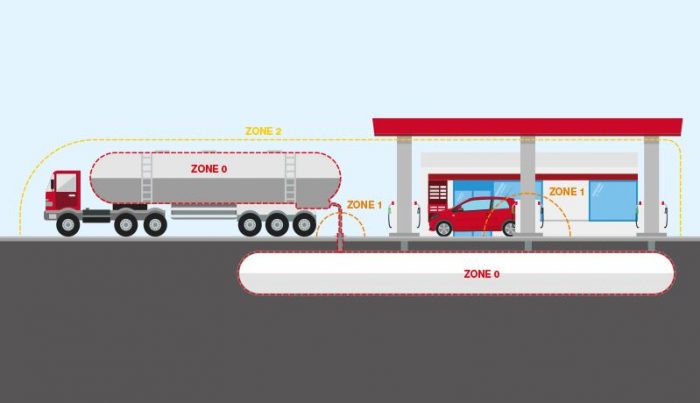
    Zone 0 (gases) – An area where an explosive mixture of gases is continuously present or present for long periods. 

    Zone 1 (gases) – An area where an explosive mixture of gases is likely to accumulate during normal operations.

    Zone 2 (gases) – An area where the explosive mixture is not likely to accumulate under normal circumstances, and even if it does, it will be for a short period of time. 

    Zone 20 (dust) – An area where an explosive mixture of gases is present for long periods or continuously present. 

    Zone 21 (dust) – An area where an explosive mixture of dust is likely to accumulate during normal working hours. 

    Zone 22 (dust) – An area where an explosive mixture is not likely to occur during normal operations or may happen for a short period of time. 

    The classification is slightly different in North America. Each of these classes may require various kinds of Ex Lighting. Hence, one can find myriad variations of Ex Lighting, suited to different kinds of needs.

    European & IECEX classificationDefinition of zone or divisionNorth American classification
    Zone 0 (gases)An area in which an explosive mixture is continuously present or present for long periodsClass I Division 1 (gases)
    Zone 20 (dusts)Class II Division 1 (dusts)
    Zone 1 (gases)An area in which an explosive mixture is likely to occur in normal operationClass I Division 1 (gases)
    Zone 21 (dusts)Class II Division 1 (dusts)
    Zone 2 (gases)An area in which an explosive mixture is not likely to occur in normal operation and if it occurs it will exist only for a short timeClass I Division 2 (gases)
    Zone 22 (dusts)Class II Division 2 (dusts)
    Classification of Hazardous Environments: Comparison of European and North American Classifications
    Image showing the Zone classifications of hazardous environments
    Classification of Hazardous Environments

    Forms of Explosion Proof Lighting

    Broadly speaking, Ex Lighting comes in two forms – Explosion Proof Temporary Lighting and Explosion Proof Fixed Lighting.

    1. Explosion Proof Temporary Lighting

    Often known as Portable Ex Lights, these can be easily transported from one place to another and thus put into multiple uses. These come in a variety of styles, sizes and mounting options tailored to the unique needs of different kinds of industries such as offshore and land-based rigs, coal mines, grain and sugar mills, petrochemical plants and others. Apart from industrial usage, portable Ex Lighting can also be used for other functions such as firefighting, electrical fire, geological exploration and many others. They can be available in both flood and spot beam form.

    At AJV Technical Equipment, we provide a wide variety of ATEX-certified temporary Ex Lighting to cater to every kind of need. Our temporary Ex Lighting product portfolio includes tank sets, link-up tank sets, tank set with inspection lights, tank and confined space inspection set, portable floodlight, hornet, LED blast light, germicidal light, UVA inspection light, rechargeable battery-powered LED light, swivel-mounted explosion proof light, explosion-proof LED string light and much more. 

    Check out all our Explosion Proof Temporary Lighting products

    2. Explosion Proof Fixed Lighting

    As the name suggests, these are fixed at a specific place and cannot be moved from one place to another. When the lighting requirement can be defined while designing a work facility, then fixed Ex Lighting proves beneficial. They are usually used to light up Zone 1 and Zone 2 of a particular facility. Zone 1 locations are those where combustible gases, dusts, vapours or liquid might be present during normal operating hours. Zone 2 locations are those which may not have combustible products during normal operations but may be exposed to those under unusual circumstances such as a sudden leak. These kinds of Ex Lighting are available in the form of fluorescent light fixtures or might be designed to contain a halide light element. 

    AJV Technical Equipment provides a variety of Explosion Proof Fixed Lighting suitable for different kinds of requirements. Our customized solutions can cater to an extensive range of facilities including oil and energy, marine, manufacturing plants, Animal husbandry and agricultural industries. 

    Our product offering includes lighting for mid-power bays, high-power bays, general bay lights, bulkheads, floodlights, linear lights and much more. 

    Browse through all our Explosion Proof Fixed Lighting products

    When it comes to tailored lighting solutions for your industrial needs, AJV Technical Equipment is your friend in need. Our extensive experience enables us to envision your needs and deliver the right kind of solution for you. Contact Us today to understand how we can help you.

  • What is Explosion Proof Lighting?

    What is Explosion Proof Lighting?

    We all understand the seriousness of industrial accidents and their disastrous effect on human lives and industrial equipment. There are so many precautions that an organization can take in this regard. And one of the most important ones is Explosion Proof Lighting, commonly known as Ex Lighting.

    As the name suggests, Explosion Proof Lighting is a piece of lighting equipment that is safe to be used in hazardous environments. A hazardous location is an area with a high concentration of combustible materials such as gas, fibre, and dust, which can cause a fire or an explosion. 

    Explosion Proof Lighting can be very useful in a variety of facilities such as oil rigs, food processing industry, chemical industry, battery manufacturing and storage facilities, shipyards, extraction rooms, agricultural sites, textile factories, and many more.

    An Introduction to Explosion Proof Lighting

    Explosion Proof Lighting is a lighting fixture that does not ignite from sparks or the presence of hazardous materials in the environment. The term Explosion Proof refers to the protective mechanism in this kind of lighting equipment against potentially combustible substances. 

    In the unfortunate event of an explosion, the activity is contained within the explosion-proof lighting device, preventing it from interacting with other volatile substances. This, in turn, prevents any catastrophic chain reaction from occurring within the hazardous work environment. For example, suppose a worker’s daily routine requires him to clean an oil tank after the oil has been transported. The tank is dark, so he needs to carry lighting equipment with him. There can be some liquid droplets remaining, even after the oil has been transported, which increases the chances of ignition. So, the best solution for him is to carry a portable explosion proof light. Ex Lighting will minimize the probability of any flaring up.

    So, what makes it explosion-proof?

    This must be a question you have in your mind. Well, Explosion Proof Lighting is made with durable, non-sparking material and contains a very thick glass globe over the bulb. 

    Typically, an Explosion Proof Lighting consists of the following components:

    • Durable casing: All Ex Lighting is fitted with a durable casing consisting of tempered glass lenses, which do not break in the event of an explosion. 
    • Advanced thermal control mechanisms: This is to dissipate any heat that might build up in the fixture when it is on. This is less of an issue in the case of LED lighting because LED is naturally a no-heating fixture. Some Ex Lighting may contain additional elements such as double-folded aluminium fins or copper-free housings which can improve their explosion-free nature. 
    • Tight seals: One of the main components of Ex Lighting is the tight seals which can keep out flammable substances such as gases, dust or fibres.

    And what are the benefits of using them?

    To begin with, the first benefit of using Ex Lighting is what we all know – that it minimizes the chances of explosion by preventing ignition from flammable substances present in the environment. 

    Another benefit is that Explosion Proof Lighting is highly energy efficient. They consume 90% less energy than standard fixtures and in some cases can stay illuminated for up to 50,000 hours or even more!

    Ex Lighting is highly durable too, minimizing the need to be replaced time and again. This, coupled with their energy efficiency, can reduce operational costs substantially. 

    The portable forms of Ex Lighting offer great benefits in terms of mobility. Their strong design makes transporting them from one place to another easier even using heavy machinery like a forklift. This makes it extremely useful to operators who require mobile illumination. 

    Explosion-proof lighting is also available in a variety of modular designs which makes them suitable for various purposes. Moreover, in some cases, the light outputs can be easily increased or lowered depending on the light requirement for a particular area. Needless to say, this results in savings of money and energy.

    Where can they be used?

    As we mentioned earlier, Explosion Proof Lighting can be useful for a variety of facilities. Specific solutions can be created for lighting up offshore rigs, hazardous areas, confined spaces, aircraft hangars, agriculture and animal husbandry facilities, food processing factories, chemical processing and storage facilities and a variety of other industries. 

    AJV Technical Equipment is a renowned lighting equipment provider catering to industries of various sizes.  Our extensive product range encompasses a wide range of lighting requirements suitable for different kinds of facilities. We also provide custom lighting solutions to clients’ hazardous environment lighting requirements. Contact us today to find out how we can help you create a customized solution for your specific needs.

  • UVC Body Light

    UVC Body Light

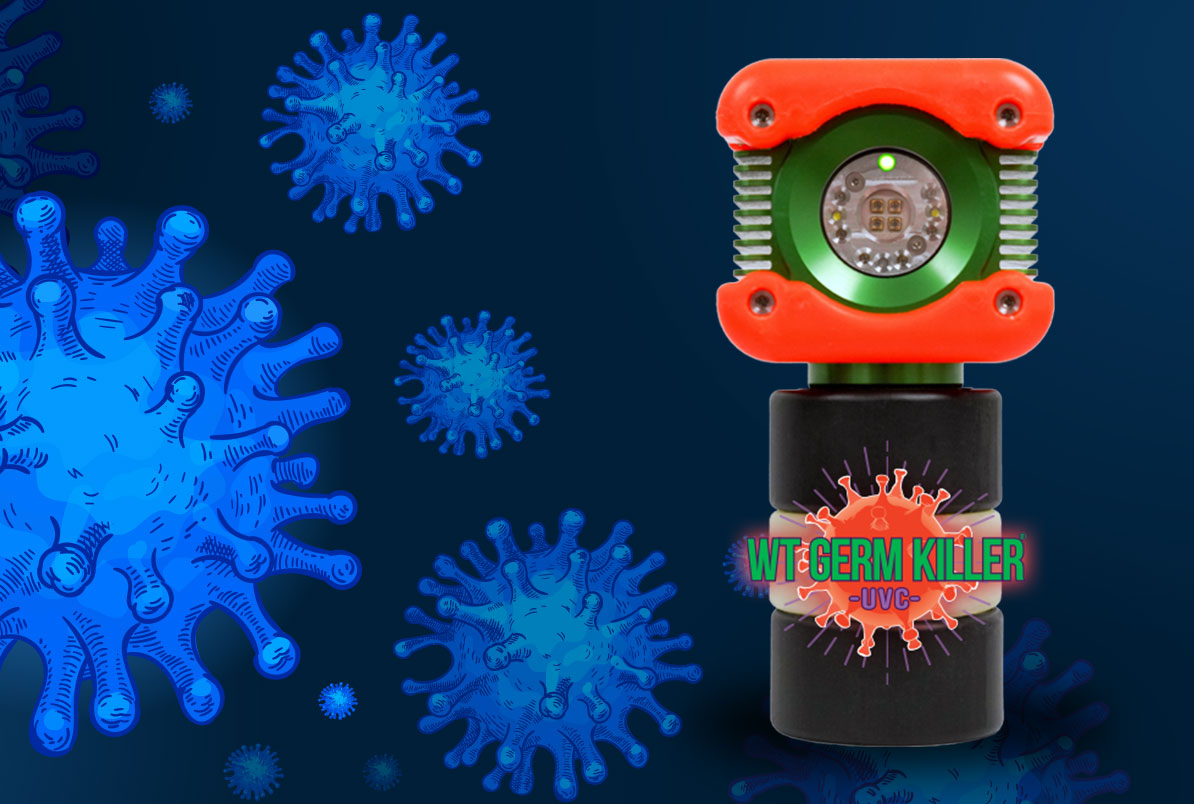
    UVC Body Light is an ultraviolet light between 200-280 nanometers wavelength and this same light which causes sunburn and skin-cell mutation in the human body. UVC light is the most powerful type of UV light which has been effective for killing bacteria. According to the survey, UV radiation is more convenient than soap and water.

    UVC light is a well-known cleanser for air, liquid, and nonporous surfaces. UVC body light radiation has successfully been used for many years to lessen the spread of germs, such as tuberculosis. Because of this reason, UVC lights are called “germicidal” lamps. UVC body light, which is used as a common device in the market to clean household objects, as well as it has been shown to be a very effective result in laboratory studies for killing germs on computer screens, laptops, toothbrushes, and many other devices. UVC light has also been shown to affect viruses in similar ways that affect germs.

    UVC body light has been proven to demolish the outer protein coating of the SARS-coronavirus, which is a different variant from the current virus SARS-CoV-2. This destruction eventually usher to demolish of the virus. Furthermore, acknowledging whether YVC body light is effective for the inactivation of a particular virus. However, generally, there are also some limitations that how effective UVC light can be inactivating viruses. UVC radiation kills bacteria and virus germs as well through destructing molecules like nucleic acids and proteins.

    UVC lights can only inactivate a virus germs if that is directly exposed to the radiation lights. As a consequence, the inactivation of virus germs on the surfaces may not be affected due to blocking of the UV lights by soil, such as dust, or any other impurities such as bodily fluids. UVC lights are commonly used inside air ducts to disinfect the air from viruses. Which is the safest way to utilize UVC radiation because direct UVC exposure to the human body like skin and eyes may cause several injuries, and installation of UVC in an air duct is decrease the danger of human body damage. UVC lights kill bacteria, virus germs, fungi, so it should kill coronavirus germs.

    Outside of industrial uses, there is an immense number of portable UV sanitizing boxes, wands, water bottles that claim to kill 99.9% of virus germs and bacteria on objects like phones, toothbrushes, pacifiers, and many other surfaces. However, UVC radiation lights should never be used on the human body.

  • Fuel Tank Cleaning

    Fuel Tank Cleaning

    Fuel Tank Cleaning – A Significant Part of Storage Tank Care

    Underground fuel storage tank cleaning is one the most essential things for an operator or an owner of an above-ground fuel storage tank should keep clean so their fuel can perform properly. Although, underground fuel storage tanks can assemble particulates and condensation from repeated filling.

    Risk at Dirty Fuel Tanks

    Sediments and moisture can consequentially affect the functionality of your fleet engines. Moreover, fuel residue expands the possibility of a tank explosion or fire. Apart from this, liquid accumulation can rust steel underground fuel storage tanks from the inside out, causing problems like draining and leakage. Fuel storage tank washing should be done after long-term use or before destruction.

    Fuel Tank Cleaning Frequency

    The frequency of fuel storage tank cleaning depends upon the number of use and filling and dispensing processes of fuel. Storage fuel tanks are frequently used which will build up sediments, particulates, and fuel residue more which are quite quickly than storage tanks used more infrequently.

    Steps for Fuel Tank Cleaning

    Certain steps must be taken to make sure complete and proper storage fuel tank washing to maintain fuel integrity and fleet its engine health. A perfectly cleaned fuel tank will keep fuel clean and in the best performance shape.

    Tank Draining

    Before starting the cleaning, the storage tank must be drained to separate all residual gas, moisture, and other types of liquids. If the fuel tank has not been cleaned at a particular time, a unique liquid may have to apply in the tank interior to render a thick sludge pumpable for hoses extraction.

    Tank Scrubbing

    After all the sludge and gasoline has been removed from the fuel storage tank, the inside is called “scrubbed”. Generally, this is done with the use of industrial cleaners which are specially designed for the fuel tank cleaning process. The scrubbing process ensures that there’s no residual sludge, organic matter, liquid, or any other impurities remaining on the walls of the interior tank.

    Rinse the Tank

    Once all processes are done and after removing all water, sludge, fuel residue, and other impurities from the tank, it should be properly rinsed with water and it should be completely dry. In this process of fuel tank cleaning, fuel can be stored in the tank again. Make absolutely sure, that the storage tank is properly dry before filling oil.

    It is so necessary to maintain tanks with proper fuel tank cleaning procedures and techniques.

  • Ex Luminaries Maintenance

    Ex Luminaries Maintenance

    When sourcing lighting to install in hazardous areas, cost, performance and reputation of the manufacturer, are important criteria to consider. But how much thought do end-users give to ease of maintenance? For many, the answer to this question is probably, ‘not enough’.

    It is intended to help end users gain a better understanding of what makes a hazardous area luminaire easy to maintain, and how it can help to reduce costs.

    The design of a luminaire, and how easy it is to maintain, can vary significantly between different manufacturers and different luminaires. In part, this is down to how the units are certified; certification can restrict the level of maintenance that can be carried out on-site. However, ease of maintenance is also down to the manufacturer and how much importance it’s given during the design process. It’s easy for a manufacturer to overlook ease of maintenance, especially as the person specifying the lighting is not always responsible for maintaining it.

    Choosing an LED luminaire will of course help to reduce the amount of maintenance required, but as with any electrical product, there is always some risk of failure. In hazardous area applications, where the environment can be particularly harsh and challenging, this risk is often amplified. So, while LED undoubtedly helps to reduce the level and frequency of maintenance, no hazardous area luminaire should really be thought of as being completely ‘maintenance free’.

    Before we look more closely at what actually makes a luminaire easy to maintain, we’ll first consider what maintenance is required for any luminaire installed in a hazardous area.

    Sealed for Life LED Luminaires

    We know that choosing an LED luminaire means maintenance is required less often, but we’ve also highlighted that when installed in a hazardous area application, it should not be considered as being ‘maintenance free’. Despite this, many LED luminaires are factory sealed. Because the seal is critical to the luminaire’s hazardous area certification, it cannot be opened up for maintenance or repair. Tampering with the seal, or forcing the unit open, would mean the luminaire no longer complies with its Ex rating and could present a risk of explosion. Sealed for life units must therefore be returned to the manufacturer for any maintenance procedures to be carried out.

    Modular LED Luminaires

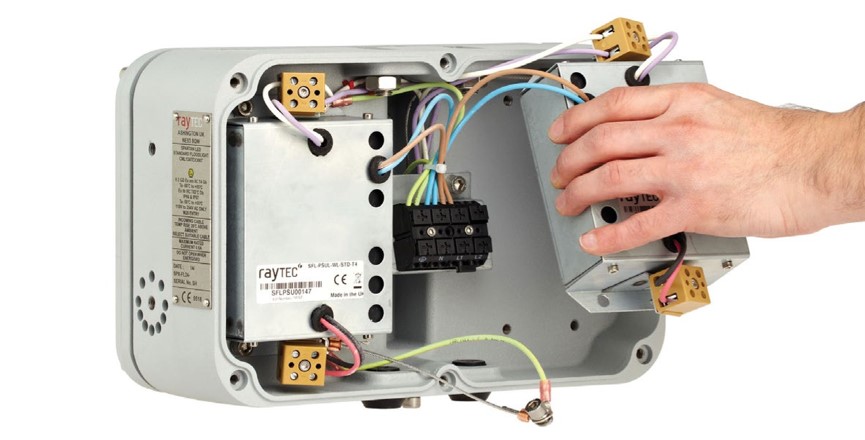
    Modular luminaires are designed with maintenance in mind; the unit is not factory sealed and can be opened up on-site. Maintenance can therefore be carried out by the end-user. Spare parts are interchangeable and can be removed independently, while the ability to mount key components remotely can also make access for maintenance much easier.

    The key feature of a modular luminaire is that maintenance can be done on-site and there is no need to return the unit back to the manufacturer.

    ModularSealed for Life
    Light can be restored in minutes20+ days before light can be restored
    Reduced downtime, lower costIncreased downtime, higher cost
    Low environmental impactHigh environmental impact
  • Ex lighting for Ports and Terminals

    Ex lighting for Ports and Terminals

    Typical areas around a port requiring Ex certified lighting includes;

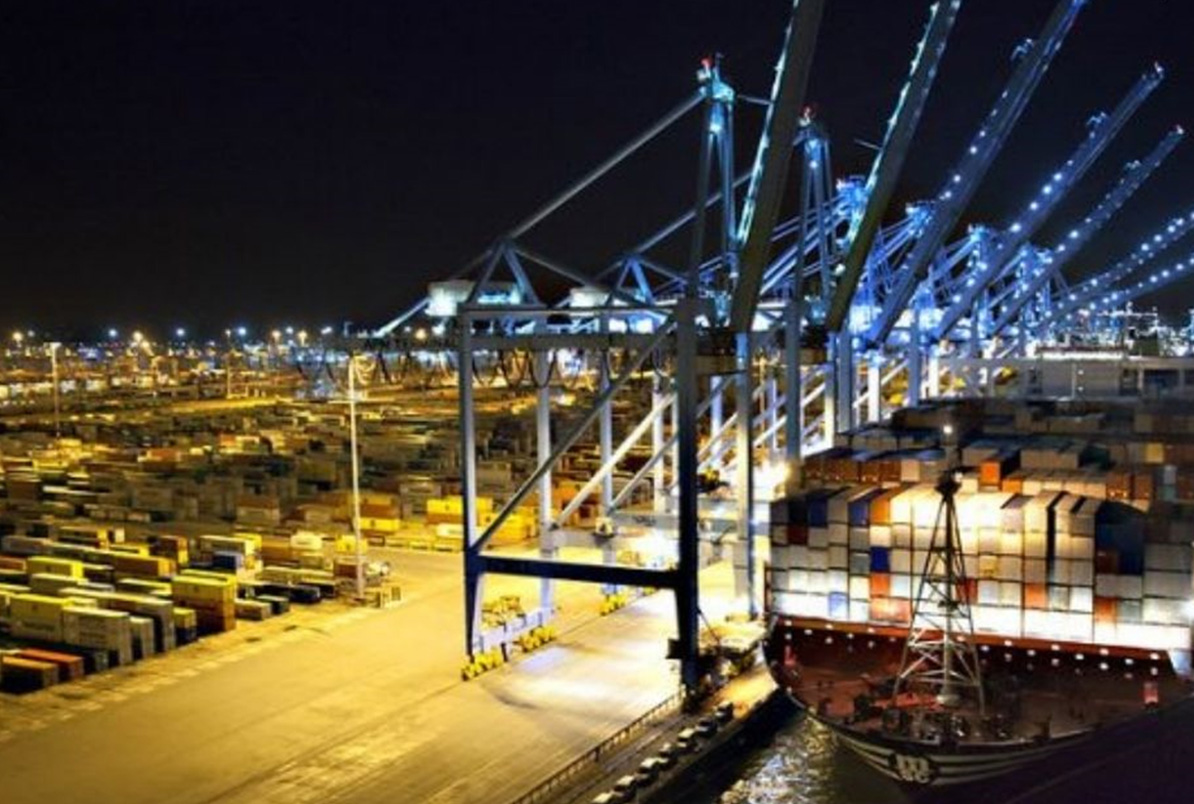
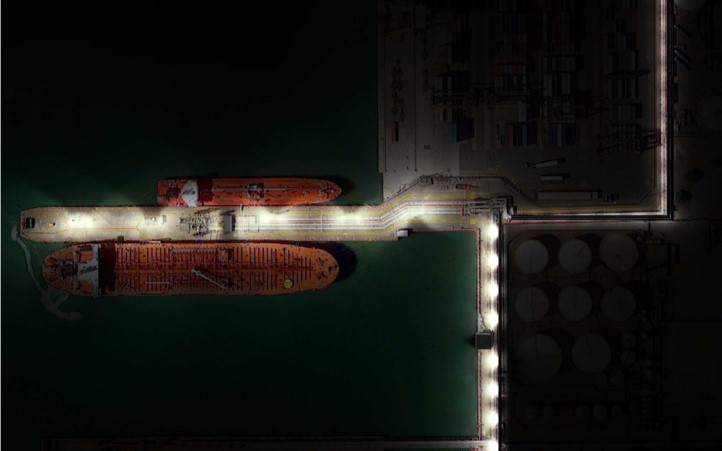
    Docking Areas – this is where tankers or cargo ships will discharge. Discharging of explosive substances, such as crude oil or LNG (Liquefied Natural Gas), means that using explosion protected equipment on and around the docks is critical. With operations happening 24 hours a day, safe and effective lighting solutions are vitally important

    Storage Facilities – tank farms or storage warehouses are a major part of modern ports. This is where commodities such as bulk grain will be held until they can be distributed elsewhere. With the storage of oil and gas products, major ports are now often linked directly to refineries via pipelines, requiring significant infrastructure for storage and distribution at the port itself.

    It is extremely important that Ex certified lighting is installed in these types of application to maintain flexibility, functionality and safety on-site. This Application Focus piece will explore the key features to look out for when specifying a luminaire for a port environment.

    Emergency Lighting

    Ports and terminals are high-risk environments and rely on the use of emergency lighting to ensure the safety of everybody on-site should a power failure occur.

    Duration & Output

    It’s important to check the emergency duration of a luminaire to ensure it provides back-up illumination for a sufficient length of time, but you should also consider the percentage light output of the luminaire in emergency mode. It is common for output to drop significantly when switching to emergency mode.

    Most emergency luminaires provide 25% light output for 3 hours as standard, but if required can run at up to 100% light output for shorter durations. This provides the ultimate performance and flexibility for emergency lighting in hazardous areas.

    Prior to installation, it’s recommended to complete a lighting design scheme based on both normal and emergency conditions. This will ensure sufficient light levels are being achieved and the correct number of luminaire’s have been specified.

    Automated Testing

    Modern emergency luminaires, are helping to make emergency systems more reliable. Designed to ensure optimum battery performance, they provide a self-testing function which automatically cycles the battery to ensure its health and to measure its capacity.

    Dust-Only Certification

    Protecting against dust is a key factor for any area of a port where bulk grain is being handled or stored. If the only explosion risk in these areas comes from dust, i.e. grain, a smart specification can save costs by specifying an Ex luminaire certified for protection against dust only (unlike most luminaires which are certified for gas and dust).

    A number of SPARTAN Ex products are available as a dedicated Zone 21 variant for exactly these kinds of applications, providing a cost-effective solution in areas where there is no explosion risk from gas, only dust.

    Lighting Design

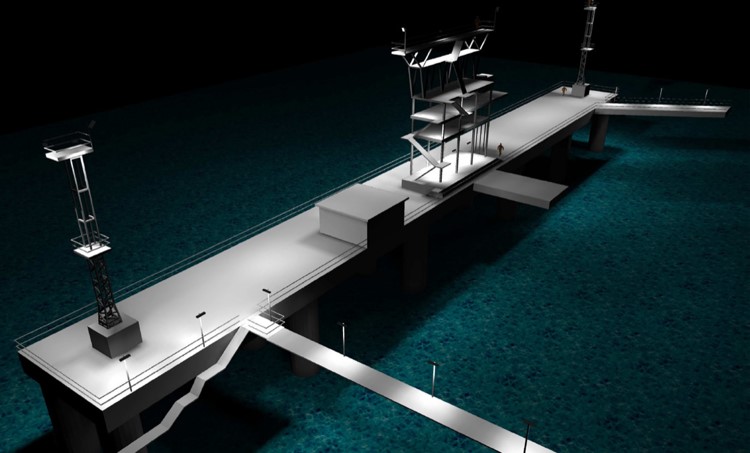
    Lighting design should be considered an essential part of specifying lighting for port applications. With larger ports utilising thousands of operators, achieving the correct light levels on-site will improve safety and operational efficiency. For specifiers, going through the design process will also ensure confidence in the final solution, meaning there are no surprises when it comes to the actual installation.

    Raytec’s lighting design service is completely free of charge, providing you with a visual 3D representation of the final lighting solution, with detailed lux levels and a true indication of lighting performance. Our lighting design experts will guide you through the entire process, ensuring the optimum solution is achieved.

  • Abrasive Blast Nozzle Lighting

    Abrasive Blast Nozzle Lighting

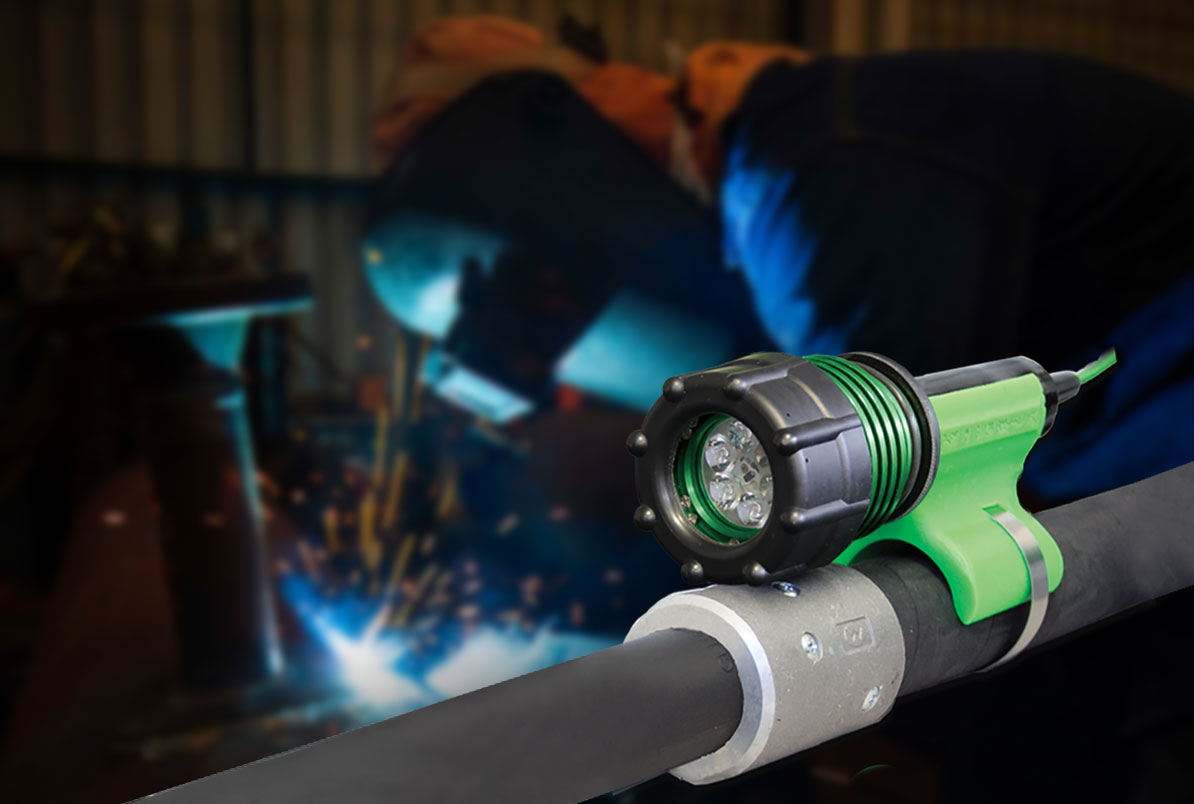
    Sandblasting lights are specialized atmospheres with a different set of safety strategies and equipment to go along with the project. However, all the sandblasting light sites need to be reliable, with a portable power distribution system, and strong lighting to get the job completed. AJV offers a wide range of safety and production of sandblasting lights in the corrosion control industries for the blasters. We provide floodlights, explosion-proof lamps. As well as carry both halogen and LED sandblasting lights.

    At AJV sandblasting hose and nozzle lights are also available. We help you to meet all the portable power supply needs, from small boxes all the way up to custom-made transformer-enabled units which can provide the main essential part of the sandblasting lights workspaces. We have a team of lighting and power experts who always like to consult with the customers to determine the best products for clients’ sandblasting light applications. From sandblasting light nozzle to metering valves, AJV has a huge variety of sandblasting light parts and provides them to all major manufacturers are available online.

    AJV Technical Equipment offers a light system of full light specifically made for the Abrasive Blast Light industries. We have built our business by solving queries related to lighting critical, usually tough to get temporary worksites.


    Abrasive Blasting Lights is used to:

    • It is used to make the rough surfaces smooth.

    • That is also used for making the surface smooth to rough.

    • Shape any type of surface.

    • Clean or remove surface impurities like paint, dust, or residue.

    • Finishing the surfaces.


    AJV Technical’s sandblasting lights are hose-mountable with high & low stanchions available to easily attach them to blast hoses. At AJV air-cooled and no-air blast lights along with halogen and LED options are available.


    Abrasive Blasting Industries:

    • Acid pickling
    • Priming
    • Before & after fabrication
    • Welding
    • Surface coating & finishing
    • Painting
    • Construction & Contracting
    • Ship cleaning